
A house with open code violations puts a homeowner in a strange spot. The property is still yours, still worth something, and still needs to be dealt with, but the usual path of hiring an agent and listing it on the open market suddenly comes with extra friction.
The cash buyer vs realtor homes with code violations decision matters more here than it does with a typical sale, because violations affect financing, disclosures, and buyer interest in ways a clean property never has to deal with.
This guide breaks down the cash buyer vs realtor homes with code violations comparison honestly, using real disclosure rules and financing standards, so you can make a decision based on facts instead of guesswork.
If your property in the Chicago Southland has open violations and you want a straightforward way forward, you can get a free cash offer from Sell To Dynasty within 24 hours, with no repairs required first.
What Counts as a Code Violation and Why It Complicates a Sale
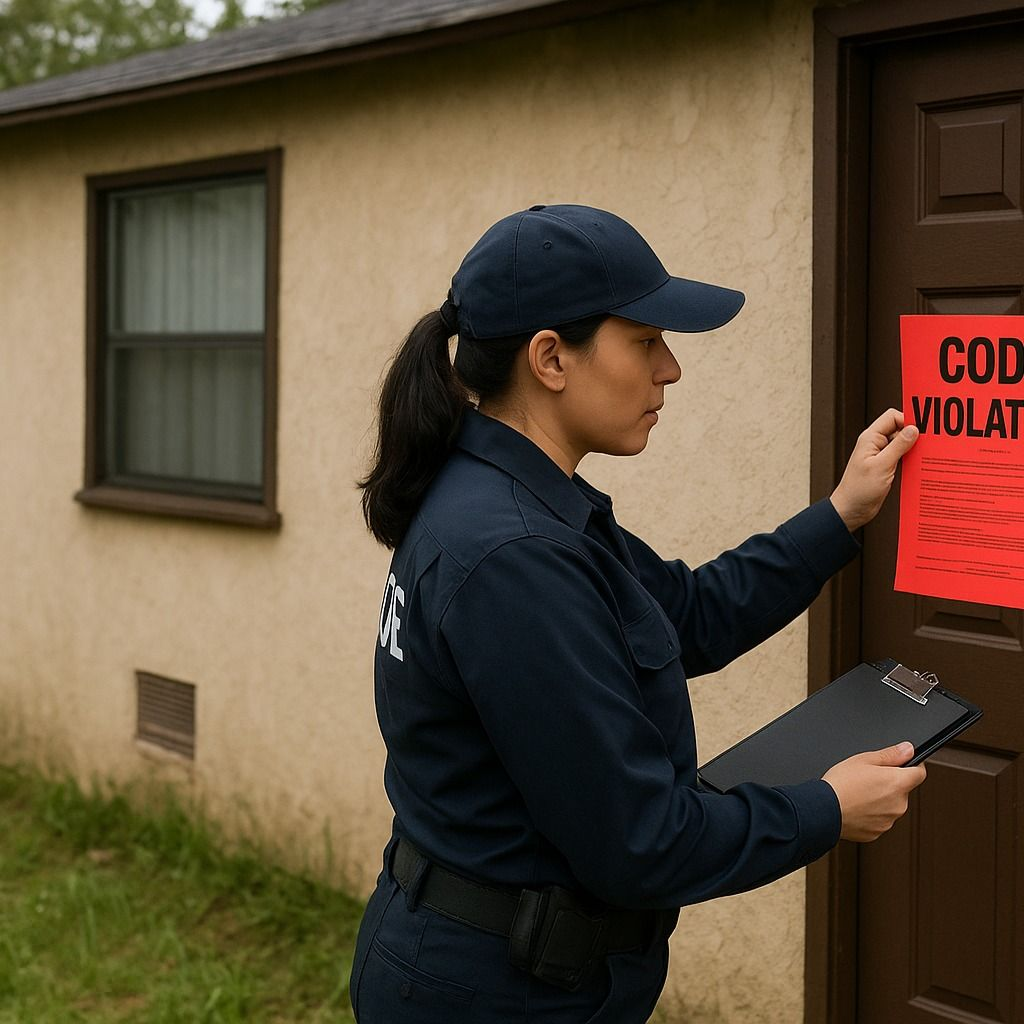
Code violations range from a missing smoke detector to unpermitted electrical work, structural issues, or a citation from the city for a deteriorating roof or foundation. Some violations are minor and cheap to fix. Others involve real money and real time.
Whichever category yours falls into, Illinois law requires sellers to be upfront about known property defects.
The Illinois Residential Real Property Disclosure Act requires sellers of most residential properties to complete a disclosure report covering material defects, and failing to disclose known issues can expose a seller to legal liability after closing.
That legal reality is exactly why the cash buyer vs realtor homes with code violations decision carries more weight than a typical sale. Whoever you sell to, financed buyer or cash buyer, disclosure obligations apply. What changes is how much the violations affect the buyer pool and the closing timeline.
Cash Buyer vs Realtor Homes With Code Violations: How Financing Gets in the Way
The biggest practical difference in the cash buyer vs realtor homes with code violations comparison comes down to financing. Most traditional buyers rely on a mortgage, and most mortgages require the home to meet minimum property standards before the loan is approved.
For FHA-backed loans specifically, the property must meet HUD’s minimum property standards covering safety, soundness, and security, as outlined in HUD’s minimum property standards resources.
A home with active code violations, particularly involving electrical, structural, or safety issues, can fail that appraisal outright, which kills the loan and the sale along with it.
A cash buyer removes financing from the equation entirely. There’s no lender, no appraisal contingency tied to property condition, and no risk of the deal collapsing because an inspector flagged a violation.
This single difference is often the deciding factor in the cash buyer vs realtor homes with code violations decision for sellers who don’t want to gamble on a financed buyer’s loan falling through.
Pros and Cons of Selling to a Cash Buyer With Code Violations

Weighing the pros and cons of selling to a cash buyer is worthwhile before committing to either side of the cash buyer vs realtor homes with code violations decision.
#1. No financing contingency risk. A cash buyer doesn’t need lender approval, so open violations that would sink a financed deal don’t affect the sale.
#2. No repairs required before closing. You don’t have to fix the violation, pull permits, or pass a re-inspection before the sale goes through.
#3. Faster closing. Without an appraisal or loan underwriting process, a cash sale can close in as little as 7 to 14 days.
#4. Disclosure is still simplified. You disclose what you know, and the buyer factors the condition into their offer instead of walking away or renegotiating repeatedly.
#5. Lower offer than a fully repaired, fully marketed listing. This is the honest trade-off in any pros and cons of selling to a cash buyer conversation. The buyer is pricing in the cost and risk of fixing the violation themselves.
Our guide on the financial benefits of selling as-is breaks down how repair costs, carrying costs, and commissions affect the real numbers once everything is subtracted from a traditional sale’s higher sticker price.
Pros and Cons of Listing With a Realtor When Code Violations Exist
The realtor side of the cash buyer vs realtor homes with code violations comparison has real advantages too, but also real friction.
#1. Broader market exposure. A listed home reaches more potential buyers, including investors and rehabbers comfortable with fixer-upper properties.
#2. Possible higher price if violations are minor. Small, inexpensive fixes might not scare off a financed buyer, especially if you address them before listing.
#3. Financing rejections are common. Buyers using FHA, VA, or conventional loans can lose financing entirely if an appraiser flags a violation during inspection.
#4. Repeated renegotiation. Even buyers who stay interested often use the violation as leverage to negotiate the price down further after the inspection period.
#5. Longer time on market. Homes with known issues often sit longer while agents search for buyers willing to take on the repair work. Our post on why houses sit on the market for months covers exactly this kind of situation, where condition issues stall a traditional sale.
How Fast Can You Sell a House With Code Violations?
Sell house fast; homes with code violations timelines depend heavily on which path you choose. A realtor listing typically takes 60 to 90 days under normal circumstances, and that number climbs when financing falls through mid-transaction because of a failed inspection or appraisal.
A cash buyer removes that uncertainty. Since there’s no lender-required repair list to satisfy, a cash sale on a home with violations can still close in 7 to 14 days, the same timeline as a clean property.
If you sell a house fast with code violations, and urgency matters to you, whether because of mounting city fines, an upcoming court date, or simply wanting to move on, a direct cash sale is usually the more reliable way to hit a tight deadline.
Our blog post on what to expect when selling a house for cash covers that faster timeline from the first phone call through closing.
What Happens If You Don’t Disclose a Known Violation?
This is one of the most commonly asked questions tied to selling a property with issues, and the answer matters regardless of which path you take in the cash buyer vs realtor homes with code violations decision.
Under Illinois law, sellers who knowingly conceal material defects, including known code violations, can face legal liability from the buyer after closing.
The safer approach in either scenario is full disclosure paired with an as-is sale. Selling as-is doesn’t remove the disclosure requirement, but it does let the buyer accept the property with full knowledge of its condition, without requiring you to fix anything first. This is exactly the model a cash buyer typically operates under.
Which Situations Favor a Cash Buyer for Homes With Code Violations

Certain scenarios make the cash buyer vs realtor homes with code violations decision fairly straightforward.
If the violations involve structural, electrical, or plumbing issues that would fail an FHA or conventional appraisal, a cash buyer avoids the financing dead end entirely. If the city has issued fines or a compliance deadline tied to the violation, the faster closing timeline of a cash sale can help resolve the situation before penalties accumulate further.
Homes with multiple accumulated issues, sometimes alongside unrelated situations like a hoarder house cleanout or years of deferred maintenance, tend to be a strong fit for a direct cash sale, since the buyer accounts for all of it in a single offer rather than negotiating repair by repair.
Which Situations Favor a Realtor for Homes With Code Violations
A realtor listing can still make sense if the violations are minor and inexpensive to resolve, such as a missing smoke detector or an easily correctable permit issue. Fixing small problems before listing can preserve access to the full pool of financed buyers and potentially produce a higher sale price.
Our post on whether a cash sale is right for you walks through the kinds of questions worth asking before deciding which side of the cash buyer vs realtor homes with code violations decision fits your situation.
How to Decide Between a Cash Buyer and a Realtor
A few practical questions tend to resolve most cash buyer vs realtor homes with code violations decisions.
#1. Would the violation likely cause a financed buyer’s loan to be denied at appraisal?
#2. Do you have the time and money to fix the issue and pass a re-inspection before listing?
#3. Are there city fines, a compliance deadline, or a pending hearing tied to the violation?
#4. Would you rather negotiate repairs with multiple potential buyers, or accept one clear offer that accounts for the condition upfront?
#5. Have you gotten repair estimates to compare against what a direct cash offer would net you after subtracting those costs?
If the violation is significant enough to threaten financing, a cash buyer is usually the more reliable path. If it’s minor and cheap to fix, a realtor listing might net more money once repairs are handled. Either way, honest disclosure protects you regardless of which buyer you choose.
Sellers comparing their options sometimes request a fast offer to see the numbers side by side before deciding. Our page on same-day cash offer requirements explains what’s needed to get one quickly, and our post on backing out after accepting a cash offer covers what flexibility exists if your plans change mid-process.
Cash Buyer vs Realtor Homes With Code Violations: The Bottom Line
There’s no universal answer to the cash buyer vs realtor homes with code violations question. A realtor can work well when violations are minor and fixable, and the local market rewards a fully repaired listing.
A cash buyer becomes the more dependable option when violations are serious enough to threaten financing, when fines or deadlines are involved, or when you simply don’t want to fund repairs before selling.
According to the National Association of REALTORS®, all-cash purchases have reached an all-time high of roughly 26% of transactions nationally, a trend driven in part by sellers whose properties don’t fit neatly into the traditional financed sale process.
If you’re leaning toward the cash buyer side of the cash buyer vs realtor homes with code violations decision, Sell To Dynasty has purchased properties across the Chicago Southland with code violations, permit issues, and deferred maintenance of every kind. Learn more about how the process works or see the types of properties we buy.
Call or Text: (219) 319-1916 or get your free cash offer within 24 hours, with no obligation to accept.