
Finding your next house before your current one sells creates a timing problem almost every move-up buyer faces. Most homeowners solve this with a cash home buyer vs. bridge loan decision, but the two paths work very differently and carry different levels of risk.
This guide compares both routes in detail so you can weigh cash home buyer vs bridge loan options with real numbers instead of guesswork.
We will also cover other sell-house-buy-new-house options and a few bridge loan alternatives worth knowing before you commit to either path.
Why This Timing Problem Happens

Most buyers need equity from their current home to fund the down payment on their next one, creating a chicken-and-egg problem.
You cannot buy until you sell, but you cannot sell without somewhere to go, and that gap is exactly why the cash home buyer vs. bridge loan question comes up so often.
Sellers in competitive markets also face pressure to make offers without a home sale contingency, since a contingent offer looks weaker to a seller comparing multiple bids. That pressure pushes many buyers toward financing solutions that let them buy first and sell second.
What a Bridge Loan Actually Does
A bridge loan is short-term financing secured against your current home’s equity, used to fund the down payment and sometimes the full purchase of your next home before your existing one sells. Most bridge loans are repaid within six to twelve months, once your old home closes.
Bridge loans typically carry higher interest rates than a standard mortgage, plus origination fees and closing costs, on top of what you already owe on your current mortgage.
You are essentially carrying two loans, and sometimes two full mortgage payments, during the overlap period.
Qualifying for a bridge loan requires enough equity in your current home and strong enough income to support both payments simultaneously if your old home takes longer to sell than expected.
This is where the cash home buyer vs bridge loan comparison starts to matter, since not every homeowner qualifies for this kind of short-term financing.
What Selling to a Cash Buyer Changes
The other side of the cash home buyer vs bridge loan decision is selling your current home directly to a cash buyer before you commit to financing the new purchase. This removes the need for a bridge loan entirely, since you have sale proceeds in hand rather than borrowed equity.
A direct cash sale can close in as little as seven to fourteen days, compared to the two to four months a traditional listing typically takes.
That speed changes the entire math of the cash home buyer vs. bridge loan decision, since a fast sale can sometimes eliminate the overlap period a bridge loan is designed to cover.
Selling to a cash buyer also means no financing contingency on your side, no repair negotiations, and no uncertainty about whether your current home will actually sell in time to support your next purchase.
Cash Home Buyer vs Bridge Loan: Comparing the Real Costs
A bridge loan comes with origination fees typically ranging from one to three percent of the loan amount, plus interest that accrues on top of your existing mortgage payment. If your old home takes longer to sell than planned, those costs keep adding up every month.
Selling to a cash buyer has no loan fees or interest to worry about, since no borrowed money is involved. The trade-off is that a cash offer is typically below full retail market value, which is the cost you are paying for speed and certainty instead of financing fees.
Running both scenarios side by side, factoring in bridge loan interest and fees against the price gap on a cash sale, is the only accurate way to settle the cash home buyer vs bridge loan question for your specific numbers.
Comparing Risk Between the Two Paths
A bridge loan carries real risk if your current home doesn’t sell within the loan’s term. You could end up carrying two mortgage payments, the bridge loan payment, and mounting interest all at once, which strains even a strong budget.
Selling to a cash buyer first removes that risk almost entirely, since you are not relying on a future sale to cover a loan you have already taken out. You know exactly what you are working with before you make an offer on your next home.
For buyers who value certainty over maximizing sale price, this risk difference is often the deciding factor in the cash home buyer vs. bridge loan comparison, especially in a market where homes take longer to sell than they used to.
Sell House, Buy New House Options Beyond These Two Paths
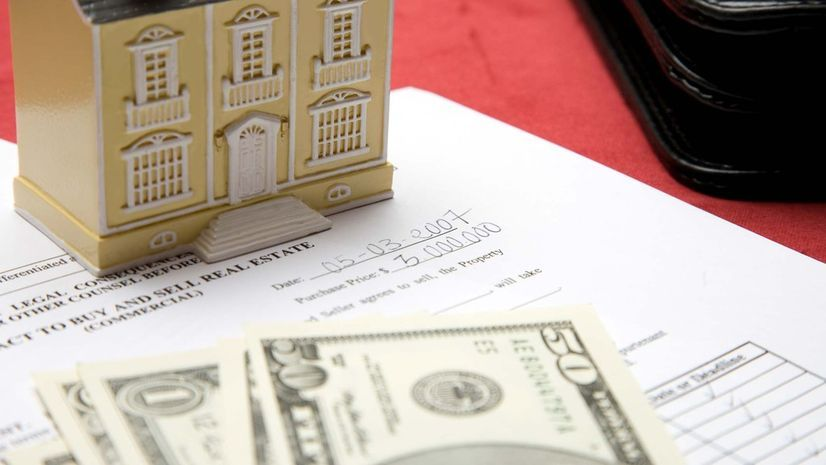
Bridge loans and cash sales are not the only house-buy-new-house options available. A few other structures are worth understanding before you commit to either one.
#1 Home sale contingency. You make an offer on the new home contingent on selling your current one, which protects you financially but weakens your offer in a competitive market.
#2 Rent-back agreement. You sell your current home but negotiate to stay in it for a set period after closing, giving you time to find and close on your next home without a bridge loan.
#3 HELOC instead of a bridge loan. A home equity line of credit can sometimes serve a similar purpose at a lower cost, though it works differently. The CFPB explains the difference between a home equity loan and a HELOC in detail, including how draw periods and repayment work.
#4 Temporary housing. Selling first, renting short-term, and buying once you have proceeds in hand avoids financing costs entirely, though it means moving twice.
Each of these sell-house, buy-new-house options has trade-offs, but knowing they exist gives you more leverage than assuming a bridge loan is your only choice.
Bridge Loan Alternatives Worth Considering
Beyond the sell-house-buy-new-house options above, a few specific bridge loan alternatives are worth a closer look if a traditional bridge loan doesn’t fit your situation.
A cash-out refinance on your current home, done well before you plan to move, can sometimes provide down payment funds at a lower rate than a bridge loan, though it requires enough equity and qualifying income.
A personal loan or line of credit from a bank you already have a relationship with can occasionally bridge a smaller gap, though rates and terms vary widely and rarely match what a bridge loan or HELOC offers for larger amounts.
Selling to a direct cash buyer remains the simplest of all the bridge loan alternatives, since it does not involve borrowing at all. Reviewing your home loan and closing cost basics through the CFPB’s home loan toolkit can help you compare the true cost of financing against a direct sale before deciding.
Situations Where a Cash Sale Makes the Most Sense
Certain seller situations make the cash home buyer vs. bridge loan decision lean clearly toward selling first. If your current home is in foreclosure or you are behind on payments, qualifying for a bridge loan is unlikely, making a direct cash sale the more realistic path to freeing up funds for your next home.
If you are navigating a divorce and need to sell the house, coordinating a bridge loan application with a co-borrower going through the same transition adds complexity that a straightforward cash sale avoids.
If the property is a tenant-occupied rental rather than your primary residence, most bridge loan programs aren’t designed for investment-property transitions, making a direct sale the more practical route.
If your home needs significant work and you are managing a hoarder house situation, lenders may hesitate to approve a bridge loan against a property in that condition, while a cash buyer will purchase it as-is regardless.
If you inherited the property and are working through how to sell an inherited house, title and probate steps can complicate bridge loan approval in ways a direct cash sale sidesteps entirely.
Situations Where a Bridge Loan Might Make Sense

A bridge loan tends to work best for homeowners with substantial equity, high stable income, and a current home in a market where sales typically move quickly.
If your area has a short average days on market and you are confident your home will sell within the loan term, a bridge loan can let you buy your next home without selling first.
It also makes sense if you are still carrying a mortgage balance and want to preserve your equity position rather than accept a cash offer below full market value.
Reviewing what is involved in selling a house with a mortgage alongside a bridge loan application can help you understand how your existing loan balance factors into what you can actually borrow.
How to Decide: A Practical Framework
To work through the cash home buyer vs bridge loan decision for your own move, consider these factors honestly.
#1 How confident are you that your current home will sell quickly? If your local market is slow or your home needs work, a bridge loan carries more risk than it might in a faster market.
#2 Can your budget handle two payments at once for several months? If not, a cash sale that removes the overlap entirely is the safer choice.
#3 How much equity do you actually have to work with? Limited equity may disqualify you from a bridge loan regardless of your preference.
#4 How much do you value certainty over maximizing your sale price? A cash sale trades some top-line price for speed and predictability, while a bridge loan preserves your full equity at the cost of added risk and fees.
Why Many Homeowners Choose to Sell First
For homeowners who want to remove financing risk from their move entirely, selling to a direct cash buyer before shopping for a new home is often the simplest of all sell-house, buy-new-house options.
Sell To Dynasty buys Illinois homes as-is and can close in as little as seven to fourteen days, giving you sale proceeds in hand before you make an offer on anything new.
This approach avoids bridge loan interest, origination fees, and the stress of carrying two payments while you wait for a traditional sale to close.
You can review more comparisons and seller guides on the Sell To Dynasty blog if your move involves other complicating factors.
Getting Real Numbers Before You Choose
The right answer in the cash home buyer vs bridge loan decision depends on your equity, your local market’s typical time to sell, and how much risk you are comfortable carrying during the overlap between selling and buying.
If you want a no-obligation cash offer to compare against what a bridge loan would actually cost you in fees and interest, call or text Sell To Dynasty. Having a real number for both sides makes the cash home buyer vs bridge loan decision far easier than estimating blind.
Final Thoughts
There is no single right answer to cash home buyer vs bridge loan, since the better option depends entirely on your equity position, your local market’s speed, and your tolerance for carrying two payments at once.
A bridge loan preserves your full sale price but adds real cost and risk if your home takes longer to sell than expected.
A direct cash sale trades some of that top-line price for speed and certainty, removing the overlap period entirely.
Whichever path fits your situation, comparing both sell-house/buy-new-house options and bridge loan alternatives with actual numbers, rather than assumptions, is what protects you from getting stuck carrying more than you can handle during the move.