One of the first questions every Illinois home seller asks is who pays closing costs, and the honest answer is that it depends on how you sell.
A traditional listing and a direct cash sale split those costs very differently, and the gap between them can add up to thousands of dollars by the time you reach the closing table.
This guide walks through exactly who pays closing costs under each path, what those costs actually include, and where a cash sale closing cost savings advantage comes from.
By the end, you should know which route keeps more money in your pocket for your specific situation.
Who Pays Closing Costs in a Typical Illinois Home Sale
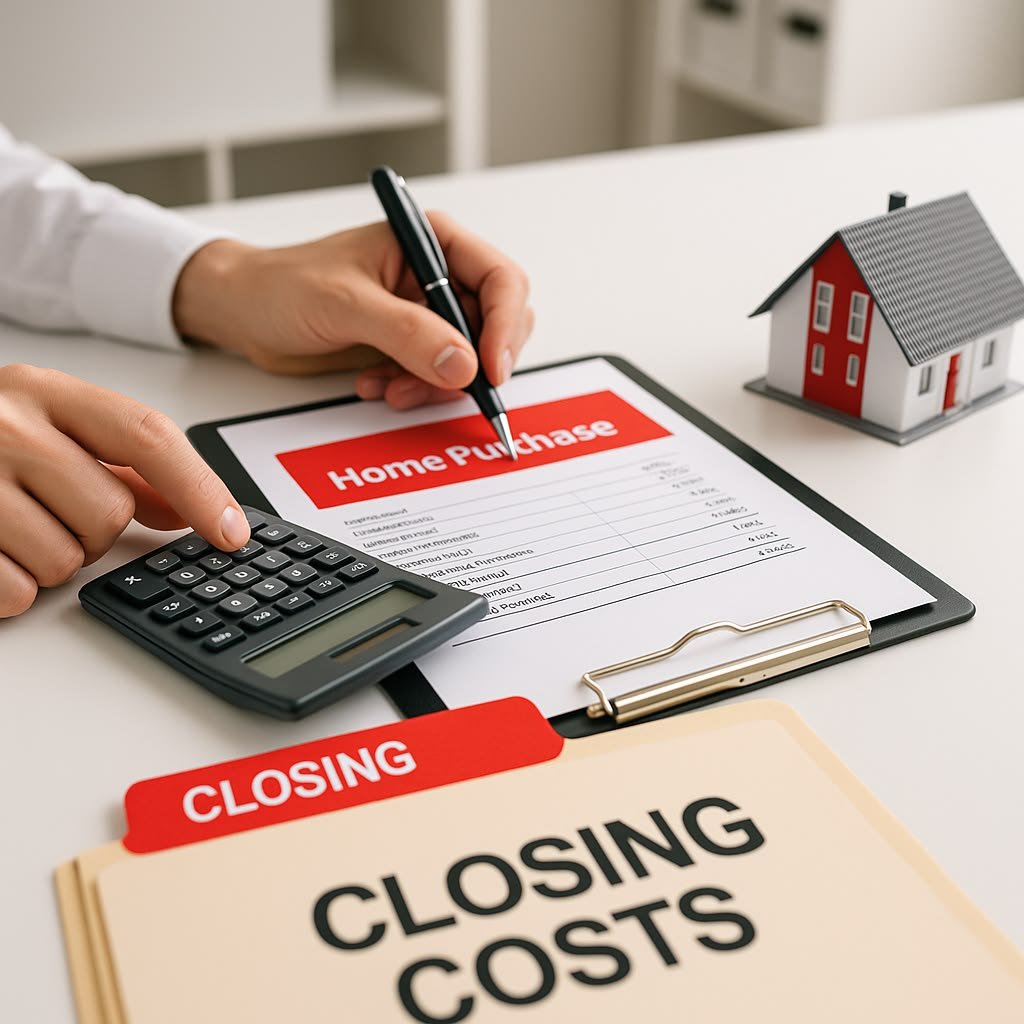
In most Illinois transactions, both the buyer and the seller pay a share of closing costs, though the split is not equal.
Sellers traditionally cover the real estate commission, the state and county transfer taxes, and title-related fees, while buyers usually pay for their loan origination, appraisal, and a portion of the title insurance.
The Illinois Real Estate Transfer Tax Law imposes a tax on every transfer of title to real estate in the state, and by long-standing custom in Illinois, the seller is the party who pays this particular closing cost, not the buyer.
So when someone asks who pays closing costs in a standard sale, the practical answer is that sellers shoulder a larger share than most people expect, especially once commission is factored in.
What Closing Costs Actually Include
Closing costs cover more than just the transfer tax. They typically include the agent commission, title search and insurance fees, attorney fees, recording fees, prorated property taxes, and any repair credits negotiated after inspection.
The Consumer Financial Protection Bureau’s home loan toolkit breaks down these fees in detail and explains how they appear on the closing disclosure buyers and sellers both receive before closing day.
Understanding this full list matters because it changes who pays closing costs on any given line item, and it is where a lot of sellers get caught off guard by the total.
Who Pays Closing Costs When You List With an Agent
When you sell through a traditional listing, the seller is generally the one who pays closing costs in the form of commission, which typically runs five to six percent of the sale price split between both agents.
On top of commission, sellers usually pay the transfer tax, a prorated share of property taxes, attorney fees, and often a credit toward the buyer’s closing costs if that was negotiated as part of the offer.
Repairs found during inspection add another layer. Buyers frequently ask sellers to fix issues or reduce the price, which functions as another cost the seller absorbs before the sale closes.
Add it all together and it becomes clear who pays closing costs in a listed sale: the seller carries most of the weight, often eight to ten percent of the sale price once commission, taxes, and concessions are combined.
Who Pays Closing Costs in a Cash Sale
A direct cash sale changes the equation significantly. Because there is no agent involved and no buyer financing, there is no commission and no lender-required fees for the seller to absorb.
Sell To Dynasty purchases Illinois homes as-is for cash and typically covers standard closing costs on the seller’s behalf as part of the offer, which is one of the biggest differences when comparing who pays closing costs between the two options.
This is where cash sale closing cost savings become concrete rather than theoretical. Without commission, without repair negotiations, and without the buyer’s lender fees to account for, the seller’s side of the ledger shrinks dramatically.
Cash Sale Closing Cost Savings Explained
Cash sale closing cost savings come from three main places. There is no commission to pay, since there is no listing agent or buyer’s agent involved in a direct sale.
There are no repair costs, since the buyer purchases the property in its current condition without requesting fixes after inspection.
There are no financing delays or lender fees, since a cash purchase skips the appraisal and underwriting process that a mortgage buyer’s closing costs are built around.
For sellers trying to figure out who pays closing costs and how to minimize that number, these three factors explain most of the gap between a traditional sale and a cash sale.
Comparing Net Proceeds: Traditional Sale vs Cash Sale
Sale price alone does not answer who pays closing costs or what you actually walk away with. Net proceeds, the amount left after every fee is subtracted, is the number that matters.
A listed home might sell for a higher price on paper, but after commission, transfer tax, attorney fees, and any negotiated repairs or credits, the seller’s net proceeds can end up close to, or even below, what a cash offer would have delivered without those deductions.
This is why comparing net proceeds side by side, not just headline offers, is the only way to answer who pays closing costs in a way that actually affects your bottom line.
Situations Where Closing Costs Hit Hardest
Certain seller situations make closing costs even more painful under a traditional sale. If you are trying to sell a house in foreclosure, every extra week on the market adds carrying costs on top of whatever closing costs eventually come due.
Sellers handling an inherited house often face repair costs before a traditional buyer will even make an offer, which stacks on top of the usual commission and transfer tax question of who pays closing costs.
Landlords who need to sell a tenant-occupied rental frequently deal with a smaller buyer pool and a longer time on market, both of which increase holding costs alongside standard closing expenses.
Owners attempting an FSBO sale sometimes assume they avoid commission entirely, but they still owe transfer tax, attorney fees, and often end up paying a buyer’s agent commission anyway if the buyer comes through an agent.
In every one of these situations, the question of who pays closing costs becomes more expensive the longer the property sits unsold, which is exactly where a cash sale closing cost savings advantage tends to matter most.
Are Closing Costs Negotiable in Illinois
Closing costs are negotiable to a degree. Buyers and sellers can agree to shift who pays closing costs on specific line items as part of the purchase contract, such as a seller offering a credit toward the buyer’s costs to make the deal more attractive.
What is not negotiable is the transfer tax itself, since that is set by Illinois state law and by local county and municipal ordinances layered on top of it.
Commission, on the other hand, is fully negotiable between a seller and their agent, though the buyer’s agent commission is typically set by the terms of the listing agreement.
How to Estimate Your Closing Costs Before You Sell

Before listing or accepting an offer, it helps to estimate closing costs so you know roughly who pays closing costs and how much you will actually net.
#1 Add up expected commission, usually five to six percent of the sale price if you list traditionally.
#2 Calculate transfer tax based on your sale price and local county rate, since Illinois transfer tax alone runs fifty cents per five hundred dollars of value at the state level, with additional county and municipal tax layered on.
#3 Factor in attorney fees, title insurance, and prorated property taxes, which together often run another one to two percent of the sale price.
#4 Ask a cash buyer directly whether they cover closing costs as part of their offer, since many, including Sell To Dynasty, structure their offers that way.
Running these numbers before you commit to a path is the clearest way to answer who pays closing costs in your specific sale, rather than relying on a rough industry average.
Why Sellers Choose a Cash Sale to Avoid Closing Costs
For sellers who want a simple answer to who pays closing costs, a cash sale removes most of the guesswork. There is no commission, no repair negotiation, and often no seller-side closing costs at all once the offer is structured.
This is especially appealing for sellers dealing with time pressure, an inherited property, a tenant-occupied rental, or a home that needs work a traditional buyer would flag during inspection. You can browse more seller situations and guides on the Sell To Dynasty blog for scenarios closer to your own.
Sell To Dynasty makes cash offers on Illinois properties in any condition and typically covers standard closing costs as part of the deal, which is the core of the cash sale closing cost savings advantage over listing traditionally.
Getting a Clear Answer on Who Pays Closing Costs for Your Sale
Every seller’s situation is different, and the honest answer to who pays closing costs depends on your property, your timeline, and how you choose to sell. A traditional listing spreads costs across commission, taxes, and negotiated repairs, while a cash sale strips most of that away in exchange for speed and certainty.
If you want a straight answer on who pays closing costs for your specific property, call or text Sell To Dynasty for a no-obligation cash offer and a clear breakdown of what you would actually net.
Final Thoughts
Closing costs are rarely explained clearly until a seller is already sitting at the closing table, which is exactly why the question of who pays closing costs deserves an answer before you list, not after.
Whether you choose a traditional agent sale or a direct cash sale, knowing the full cost breakdown ahead of time is what protects your net proceeds.
For many Illinois sellers, especially those facing foreclosure, an inherited property, a tenant-occupied rental, or a home that needs repairs, the cash sale closing cost savings make the decision straightforward.
Comparing both paths side by side, with real numbers rather than assumptions, is the only way to know for certain who pays closing costs on your own sale and how much you will walk away with.