
If you’re staring down a to-do list of peeling paint, an aging roof, or a kitchen that hasn’t been touched since the 1990s, you’ve probably already asked yourself, should I fix up my house before selling?
It’s one of the most common questions homeowners face, and it’s also one of the questions with the least satisfying answer, because it depends entirely on your house, your market, your timeline, and your budget.
Anyone who tells you there’s a single right answer either hasn’t sold a house before or is trying to sell you something.
This guide is meant to walk through both sides honestly. We’ll look at when fixing up your home before listing genuinely pays off, when it’s a waste of money and stress, and where selling as-is for cash fits into the picture. By the end, you should have a much clearer sense of how to answer should I fix up my house before selling for your specific situation, not just a generic rule of thumb.
Why This Question Is So Hard to Answer
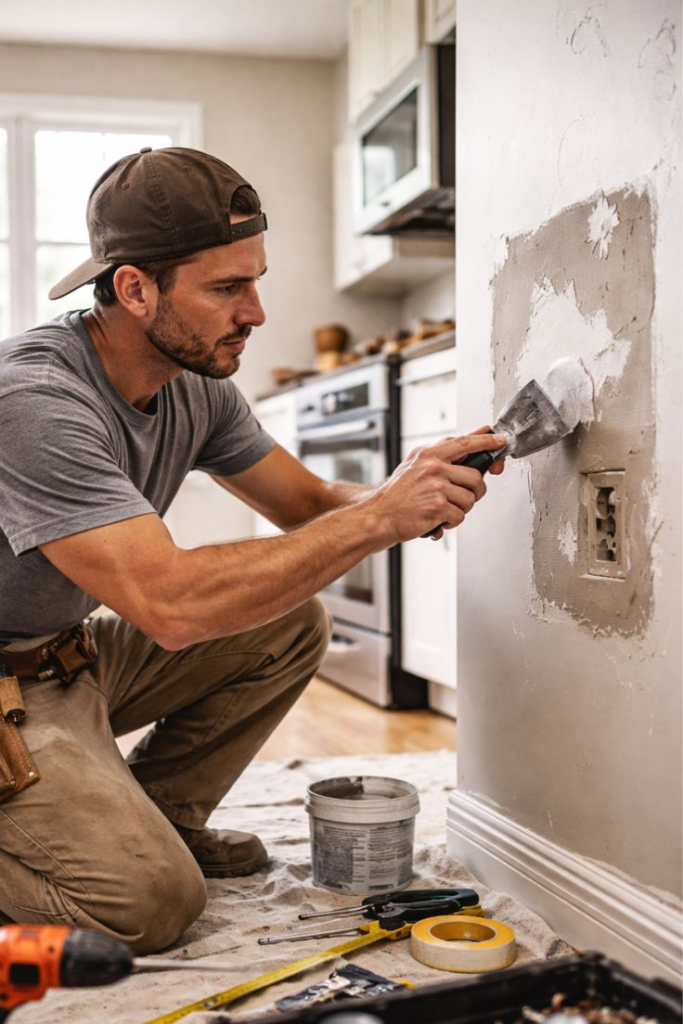
Every homeowner who asks should I fix up my house before selling is really asking several smaller questions at once. What will repairs actually cost? Will I get that money back at closing? How long will renovations take, and can I afford to wait? What happens if a contractor finds a bigger problem once the walls are opened up?
There’s no way to answer should I fix up my house before selling without first being honest about your own constraints. A retired couple with six months, a healthy savings account, and a contractor in the family is in a completely different position than someone who inherited a property out of state, or someone facing foreclosure with 45 days on the clock. The right decision for one seller can be the wrong decision for another, even on identical houses.
The Case for Fixing Up Your House Before Selling
There are real, well-documented reasons homeowners choose to invest in repairs before listing. If your goal is the highest possible sale price on the open market and you have the time and cash to get there, fixing up the house can work in your favor.
#1. Fresh paint and deep cleaning are almost always worth it. These are low-cost, high-impact projects. A neutral paint color and a spotless, decluttered interior help buyers picture themselves living there, and they rarely cost more than a few thousand dollars.
#2. Curb appeal repairs tend to pay for themselves. Trimmed landscaping, a repainted front door, and a pressure-washed driveway are inexpensive ways to make a strong first impression before a buyer even walks inside.
#3. Fixing obvious safety and function issues avoids scaring off buyers. A leaky faucet, a broken step, or a nonfunctioning outlet can make a buyer wonder what else is wrong with the house, even if the issue itself is minor and cheap to fix.
#4. Minor kitchen and bathroom updates can improve your final offer. You don’t need a full renovation, but new hardware, updated lighting, or a fresh coat of cabinet paint can modernize a dated space without the cost of a gut remodel.
#5. Homes in better condition typically sell faster and attract more competitive offers. This matters most in a buyer’s market, where move-in ready homes have a real edge over ones that need work.
If your home only needs light cosmetic work and you’re selling in an area where buyers expect turnkey properties, the answer to should I fix up my house before selling may genuinely be yes.
The Case Against Fixing Up Your House Before Selling

On the other side of the ledger, there are just as many situations where fixing up a house before selling ends up costing the seller money, time, and peace of mind, without a matching return.
#1. Big-ticket repairs rarely return their full cost. Roof replacement, foundation repair, and full HVAC system replacements are expensive, and appraisers and buyers often don’t value the home dollar-for-dollar for that investment. If a new roof costs 12,000 dollars but only adds 6,000 dollars in resale value, that’s a loss, not a gain.
#2. Renovation projects almost always take longer and cost more than planned. Once a contractor opens a wall or pulls up flooring, it’s common to uncover additional problems like water damage, outdated wiring, or mold, which can blow up both the budget and the timeline.
#3. Over-improving for the neighborhood can actually hurt you. A high-end kitchen remodel in a modest neighborhood usually doesn’t recoup its cost, because comparable sales in the area cap what buyers are willing to pay, regardless of how nice your upgrades are.
#4. You’re paying carrying costs the entire time repairs are underway. Mortgage payments, property taxes, insurance, and utilities don’t pause while you wait on a contractor’s schedule, and delays are common.
#5. Not every seller has the cash on hand to front repair costs. Financing renovations with a credit card or home equity loan adds interest expense on top of the repair cost itself, which shrinks your eventual profit even further.
This is exactly why should I fix up my house before selling isn’t a yes or no question so much as a math problem, one that depends on the size of the repair, the local market, and how much runway you actually have.
Do I Need to Make Repairs Before Selling My House for Cash?
This is one of the most common follow-up questions homeowners ask once they’ve weighed the repair math above, and it’s a fair one. If you sell through a traditional listing and the buyer is using a mortgage, the lender’s appraisal process may require certain repairs before closing.
Loans backed by the Federal Housing Administration, for example, are subject to Minimum Property Standards designed to protect the safety, security, and soundness of the home, which HUD outlines in detail on its Minimum Property Standards page. That means if your buyer needs an FHA loan and your roof is failing or your electrical panel is unsafe, you may be required to fix it before the deal can close, whether you were planning to or not.
Selling for cash removes that pressure entirely. Cash home buyers, including Sell To Dynasty, purchase homes in whatever condition they’re currently in. You don’t need to pass a lender’s inspection, meet Minimum Property Standards, or spend a dollar on repairs before closing. If you’re weighing should I fix up my house before selling specifically because you’re worried about financing-related repair requirements, a cash sale sidesteps that concern completely. You can see the full range of conditions accepted on the What We Buy page.
When Selling As-Is Makes More Financial Sense
There are a handful of situations where selling as-is, without spending anything on repairs, is clearly the stronger financial and practical choice.
#1. You inherited the property and don’t want to manage renovations from a distance or navigate an unfamiliar house. Sell To Dynasty works directly with sellers going through this on the Sell an Inherited House page.
#2. You’re facing foreclosure and simply don’t have the weeks or months a renovation would take. Timing matters more than maximizing repair ROI in these cases, which is covered on the Sell a House in Foreclosure page and in the blog post on selling your house before foreclosure.
#3. The home has been vacant or is dealing with heavy clutter or hoarding conditions, which can turn even small repairs into much larger cleanout projects. This situation is addressed on the hoarder house page.
#4. You’re going through a divorce and need a clean, fast split rather than a drawn-out renovation and listing process, a scenario detailed on the Selling a House During Divorce page.
#5. You still owe a mortgage balance and repairs would eat into an already thin margin, which is covered on the Selling a House With a Mortgage page.
In each of these situations, the honest answer to should I fix up my house before selling tends to be no, because the cost of delay and repair outweighs any bump in sale price.
What About Disclosure If You Sell As-Is?
One question that comes up often is whether skipping repairs means you can skip telling the buyer about problems. That’s not the case in Illinois. Selling as-is affects who pays for repairs, not your legal obligation to disclose known defects.
Under the Illinois Residential Real Property Disclosure Act, sellers of residential property are required to disclose known material defects to the buyer in writing, regardless of whether the home is being sold as-is. This applies whether you’re selling on the open market or to a cash buyer, so being upfront about the home’s condition is both the right thing to do and a legal requirement.

The Hidden Costs Nobody Talks About
When homeowners run the numbers on should I fix up my house before selling, they usually account for materials and labor, but a few costs get missed. Permitting delays can add weeks to a project, especially for electrical or structural work. Contractor availability in the Chicago Southland market can stretch a “two week” project into two months, particularly during peak renovation season in spring and summer. And there’s a real, non-financial cost too: the stress of managing contractors, living in a construction zone, or coordinating repairs on a vacant or inherited property from out of town.
There’s also a tax dimension worth understanding. Repair costs generally aren’t tax deductible on the sale of a personal residence, though certain capital improvements can affect your home’s cost basis when calculating gain. The IRS breaks this down in Topic no. 701, Sale of your home, which is worth a look if you’re weighing whether a larger renovation could offset your eventual capital gains exposure.
A Simple Framework for Deciding
If you’re still stuck on should I fix up my house before selling, this five-step framework can help.
#1. Get a real repair estimate, not a guess, from a licensed contractor for the specific issues in your home.
#2. Ask a local agent or appraiser what that repair is actually likely to add to your sale price in your specific neighborhood.
#3. Compare the repair cost plus carrying costs during the renovation period against the expected increase in sale price.
#4. Be honest about your timeline. If you need to sell within 30 to 60 days, most renovation projects simply won’t be finished in time.
#5. Request a no-obligation cash offer for the home in its current condition, so you have a real number to compare against the repair-and-list route. This gives you an apples-to-apples comparison instead of a guess.
Running through this process turns should I fix up my house before selling from a vague worry into an actual decision backed by numbers.
How Sellers in Cook and Will County Are Deciding
Homeowners across the Chicago Southland, from Blue Island to Harvey to Chicago Heights, are asking should I fix up my house before selling every day, and the answer usually comes down to condition and timeline more than anything else. A home that only needs paint and cleanup in a strong local market often does better listed traditionally after light updates.
A home with a failing roof, outdated systems, or years of deferred maintenance, especially one tied to an inherited estate or a tight deadline, is usually a better fit for a cash sale. Sellers in cities like Blue Island, Illinois and Harvey, Illinois have used exactly this comparison to decide which path makes sense for their situation.
Getting a Cash Offer Without Fixing Anything
If, after weighing everything above, you’ve decided repairs aren’t worth the cost, time, or stress, Sell To Dynasty makes it simple to move forward. There’s no need to keep asking should I fix up my house before selling once you know a cash sale is on the table, because the condition of the house won’t affect whether we make an offer. You can review the full process on the How It Works page, or start with a no-obligation cash offer today.
Sell To Dynasty buys houses across the Chicago Southland and Northwest Indiana in any condition, with no repairs required, no agent commissions, and no closing costs charged to the seller. If you’re weighing whether to fix up your house or sell as-is, call or text (219) 319-1916 to talk through your specific situation and get a real number to compare against the repair route. Whether you decide fixing up the home makes sense or you’d rather sell as-is and skip the renovation altogether, having an actual cash offer in hand makes the decision a lot easier than guessing.