
A lot of homeowners hesitate before reaching out about an as-is sale because they picture a stranger walking through their home and silently judging the clutter, the outdated kitchen, or the repairs that never got done. So it’s worth asking directly: what does “sell as-is” really mean, and does it mean what people assume it means?
The short answer is no. What “sell as-is” really means has nothing to do with how you kept your home and everything to do with how the sale is structured. This guide breaks down exactly what the phrase covers, what it does not cover, and why it is not a moral judgment on anyone’s living situation.
What Does Sell As-Is Really Mean, In Plain English?
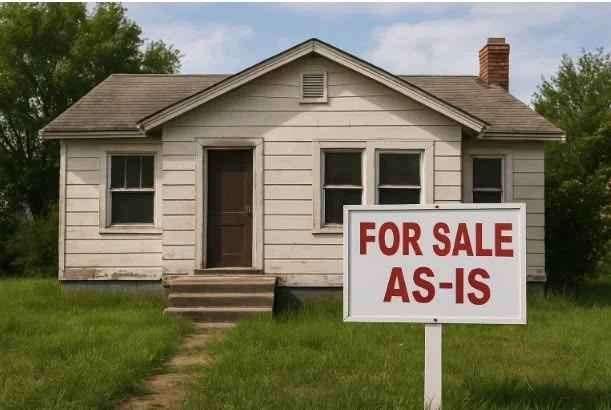
At its core, what “sell as-is” really means comes down to one idea: the seller is not making repairs, and the buyer agrees to purchase the home in its current condition. That is the entire arrangement.
It does not mean the home is falling apart. It does not mean something is being hidden. It simply means the price reflects the property’s condition today, not what it could be after months of repairs and updates.
Plenty of perfectly nice homes sell as-is every year. The seller might just be out of time, out of money for repairs, or living somewhere else and unable to manage a renovation project from a distance.
What Sell As-Is Does Not Mean
Understanding what “sell as-is” really means also requires understanding what the phrase does not cover, because much of the anxiety around this term stems from misconceptions.
It does not mean the seller is off the hook for telling the truth about the property. It does not mean the buyer cannot get an inspection. And it does not mean the seller is being judged for the state of the home, whether that is years of deferred maintenance, storm damage, or belongings left behind after a loved one has passed.
Selling as-is is a business decision, not a confession. Buyers who specialize in as-is purchases, including cash buyers, see homes in every condition regularly and are not measuring the seller against some imaginary standard of a magazine-ready house.
You Still Have to Disclose What You Know
Here is where what sells as-is really means gets misunderstood the most. Selling as-is does not erase your legal obligation to disclose known issues with the property.
In Illinois, the Residential Real Property Disclosure Act requires sellers to complete a disclosure form covering known material defects, and that requirement applies whether the home is being marketed as move-in ready or explicitly listed as-is. You can review the statute itself through the Illinois General Assembly if you want the exact legal language.
The actual Illinois disclosure form even states plainly that the buyer is purchasing the property subject to any material defects disclosed in the report. As-is describes the condition of the sale. It does not describe the honesty required of the seller.
If your home was built before 1978, the federal lead-based paint disclosure requirement still applies, regardless of whether the sale is as-is or traditional.
As-Is Does Mean No Inspection

Another piece of what selling as-is really means involves inspections. Selling as-is does not prevent a buyer from getting one. It simply means the seller is not agreeing in advance to fix whatever the inspection turns up.
In a traditional as-is listing, a financed buyer can often still walk away if an inspection reveals something serious, because most contracts include an inspection contingency even in an as-is sale. The difference is that the seller is not obligated to negotiate repairs, credits, or price reductions based on the inspection’s findings.
A cash sale usually works differently. Most cash buyers, including companies that specialize in as-is purchases, conduct their own walkthrough or evaluation up front and build the home’s condition directly into the offer, which is part of why these sales tend to move faster with fewer surprises later.
Why Sellers Actually Choose to Sell As-Is
People land on an as-is sale for a wide range of reasons, and almost none of them have anything to do with embarrassment about the home’s condition. Understanding what it really means to sell as-is also means understanding who chooses this path and why.
Some sellers have inherited a property that has not been updated in decades and simply do not have the time, money, or desire to renovate it before selling. Others are managing a fire- or storm-damaged home and would rather sell now than wait out months of repairs.
Some are dealing with a hoarder house left behind by a family member and need a path forward that does not require a full cleanout first.
None of these situations reflect poorly on the seller. They reflect a practical decision to sell the property as-is rather than sink more time and money into it first.
Hoarder Homes, Fire Damage, and Deferred Maintenance: You Will Not Be Judged
This is worth saying directly, because it is often the real question behind what selling as-is really means for anxious sellers: nobody buying a home as-is is judging how you lived in it.
Buyers who work with hoarder houses, fire-damaged properties, or homes that simply have not seen a repair in twenty years do this work regularly. It is a routine transaction for them, not a judgment of the person selling.
The same goes for inherited homes that come with years of a previous owner’s belongings and unresolved maintenance. An as-is sale exists specifically so a seller in that position does not have to clean, repair, or stage anything before moving forward.
As-Is in a Traditional Sale vs. As-Is to a Cash Buyer
There is a meaningful difference in what ” sell as-is really means depending on whether you are listing traditionally or selling directly to a cash buyer, and this distinction matters for anyone comparing their options.
#1. In a traditional as-is listing, the home still goes through showings, and financed buyers can still request an inspection, walk away based on what they find, or ask for concessions, even though the seller has stated upfront that they will not negotiate repairs.
#2. In a cash sale, the buyer typically evaluates the property once, accounts for its condition directly in the offer, and does not require repairs, cleaning, or staging at any point in the process.
#3. A traditional as-is sale can still fall through if a buyer’s lender requires repairs the seller is unwilling to make, since certain loan types have minimum property condition standards.
#4. A cash sale removes financing from the equation entirely, which is part of why buyers who specialize in “any condition” purchases can close faster and with more certainty.
Our page on selling your house as-is in Chicago Southland goes into more detail on what this looks like in practice for local sellers.
Common Myths About Selling As-Is
A few myths keep resurfacing about what selling as-is really means, and clearing them up tends to ease a lot of seller anxiety.
One common myth is that as-is means a lower price no matter what. In reality, pricing reflects the actual condition and local market, not the label attached to the listing. A well-maintained home marketed as-is for convenience is not the same as a home that genuinely needs major work.
Another myth is that as-is homes cannot get an inspection at all. As covered earlier, buyers can typically still inspect. As-is simply changes who is responsible for fixing what the inspection finds.
A third myth is that selling as-is means hiding something. It is the opposite. As-is sales still require the same disclosure honesty as any other sale, and being upfront about a home’s condition tends to build more trust with buyers, not less.
What Does Sell As-Is Really Mean for Your Bottom Line?

Sellers often want to know whether choosing as-is costs them money compared to fixing the home up first. The honest answer depends on the numbers specific to your property.
Our guide on whether to fix up your house before selling walks through how to weigh the cost of repairs against the price difference an updated home might fetch. For many sellers, especially those without cash on hand for repairs or time to manage a renovation, the math favors selling as-is once carrying costs and repair expenses are factored in.
It is also worth comparing paths directly. Our article on cash buyer vs. realtor breaks down how an as-is cash sale compares to a traditionally listed home that still needs work before it goes on the market.
How to Know If Selling As-Is Is Right for You
If you are still weighing what selling as-is really means for your specific situation, a few questions tend to clarify things quickly.
#1 Do you have the time and money to make repairs before listing, or would that delay your timeline in a way that does not work for you?
#2 Is the property inherited, vacant, or otherwise disconnected from your daily life in a way that makes managing repairs difficult?
#3 Would you rather have certainty about your closing date than chase a potentially higher price through a traditional, repair-ready listing?
#4 Are you comfortable being transparent about the home’s condition through disclosure, regardless of which path you choose?
If your answers point toward speed, simplicity, and avoiding the repair process altogether, an as-is sale to a direct buyer is often the more practical route.
The Bottom Line
What does sell as-is really mean, at the end of the day, is straightforward: no repairs required, honest disclosure still expected, and no judgment attached to how the home got to where it is. It is a practical selling arrangement, not a referendum on the seller.
If you are dealing with a home that needs work, is full of belongings you do not have time to sort through, or has sat untouched for years, our what we buy page explains the range of conditions we purchase in, and you can get your cash offer started without cleaning, repairing, or staging a single room.