
If you have fallen behind on your mortgage, you are probably thinking about two things at once: keeping your home and protecting your financial future.
Foreclosure and your credit are tied together in a way that most homeowners do not fully understand until they are already deep into missed payments. The good news is that the connection between foreclosure and your credit is not automatic or unavoidable, and you can take concrete steps right now to change the outcome significantly.
This article walks through exactly how foreclosure and your credit interact, how much damage a completed foreclosure actually causes, and why selling your home before the process finishes often produces a very different result for your financial future.
How Foreclosure and Your Credit Actually Interact
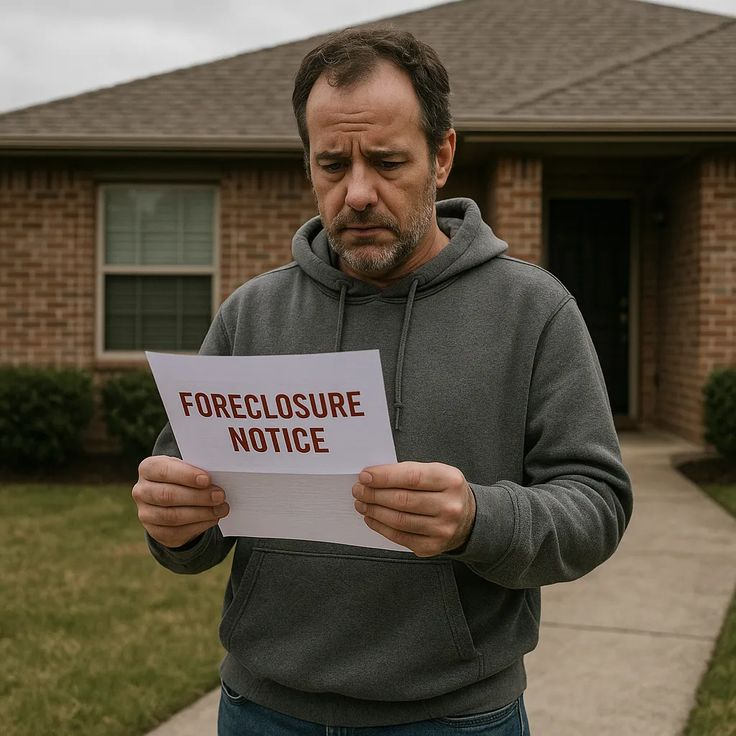
To understand foreclosure and your credit, it helps to separate two things that often get lumped together: missed payments and the foreclosure itself. Damage to your credit score actually begins the moment you miss a payment, not when the bank finally takes the house.
According to research from FICO, a single 30-day late mortgage payment can drop a credit score by 60 to 110 points, depending on how strong your credit was beforehand. By the time you reach 90 days late, the cumulative damage from foreclosure and your credit reporting can already total 80 to 130 points, well before a completed foreclosure ever shows up on your report.
This matters because it means the foreclosure and your credit relationship is not a single event; it is a series of escalating hits. Every missed payment reported to the credit bureaus compounds the damage, which is exactly why acting early changes the math so much.
How Many Points Does a Completed Foreclosure Cost You
Once a foreclosure actually completes, foreclosure and your credit take one final, significant hit on top of the late payment damage that already occurred. FICO’s own research on foreclosure and your credit found that borrowers with strong credit going in, around 780, lost 140 to 160 points when a foreclosure hit their report.
Borrowers with more moderate credit scores around 680 typically lost 85 to 105 points from the completed foreclosure itself. In both cases, foreclosure and your credit combine with the prior missed payment damage to produce a total decline that often exceeds 200 points from where you started.
That is a significant setback. A borrower who started with a 720 credit score could realistically end up in the 500s once foreclosure and your credit reporting fully play out, a range that makes qualifying for almost any new credit, from a car loan to a rental application, extremely difficult.
How Long Foreclosure Stays on Your Credit Report
The relationship between foreclosure and your credit does not end when the sale happens. Under the federal Fair Credit Reporting Act, a foreclosure can remain on your credit report for up to seven years from the date the account first became delinquent, not from the date the home was actually sold.
This is an important detail that many homeowners miss when thinking about foreclosure and your credit. The seven-year clock starts counting from your first missed payment, not from the foreclosure sale itself, which means acting sooner in the process can meaningfully shorten how long the damage follows you.
While a foreclosure does not disappear overnight, its impact on your score does soften considerably over time. Most credit experts agree that the first two to three years after a completed foreclosure cause the most damage, with recovery accelerating once you rebuild a positive payment history.
Why Selling Before Foreclosure Changes the Foreclosure and Your Credit Equation
Here is the part most homeowners do not realize: if you sell your home before the foreclosure sale actually happens, a completed foreclosure never gets reported to the credit bureaus at all. This is the single biggest lever you have over the foreclosure and your credit outcome.
Selling first does not erase any damage from missed payments already reported, but it does prevent the final, heaviest blow, the completed foreclosure entry itself, from ever landing on your report. That distinction can be the difference between a 100-point recovery timeline and a 200-point one.
This is exactly why timing matters so much when it comes to foreclosure and your credit. Illinois is a judicial foreclosure state, and homeowners typically have a redemption period of about seven months from being served or three months from a judgment, whichever is later, according to the 19th Judicial Circuit Court of Illinois. That window is real time you can use to sell before the process concludes.

The Illinois Foreclosure Timeline and Your Options
Understanding your specific timeline is critical to protecting foreclosure and your credit outcomes. In Illinois, foreclosure must go through the court system, which typically means the full process runs close to a year or longer from the first missed payment to a completed sale.
That extended timeline, compared to non-judicial states where a sale can happen in weeks, gives Illinois homeowners meaningfully more room to act. Here is what that window generally looks like and how each stage relates to foreclosure and your credit.
#1. Missed payment and grace period. Most mortgages allow a 10 to 15 day grace period before late fees apply, and this is the easiest point to catch up without any credit damage at all.
#2. 30 to 90 days delinquent. Foreclosure and your credit reporting begin interacting here, with each missed payment reported separately and compounding the damage.
#3. Foreclosure complaint filed. Once your lender files in court, you are formally in the judicial process, and the clock on your redemption period begins.
#4. Redemption period. This is your most important window. You can reinstate the loan, refinance, or sell the home outright, and any of these options can stop foreclosure and your credit from taking the final, heaviest hit.
#5. Foreclosure sale. Once this happens, the foreclosure and your credit relationship becomes permanent for up to seven years, and your options narrow significantly.
What Selling First Actually Looks Like
Selling before a foreclosure sale is not just theoretically possible; it is one of the most common ways homeowners protect their credit while still walking away with money in hand. Understanding foreclosure and your credit means understanding that a sale, even a fast one, resets the outcome entirely.
If you have equity in your home, meaning it is worth more than you owe, a straightforward sale can pay off the mortgage in full and leave you with proceeds. If you owe more than the home is worth, a short sale, where the lender agrees to accept less than the full balance, is another path, though it still causes some credit impact, typically 50 to 150 points depending on your prior payment history.
Compared to a completed foreclosure, both of these paths tend to be less damaging to your score and, just as importantly, they stop the process before it becomes a matter of public record tied permanently to foreclosure and your credit history.
Practical Steps to Protect Your Credit Right Now
If you are behind on payments and worried about foreclosure and your credit, here is what actually helps, starting today.
#1. Contact your mortgage servicer immediately. Federal rules require your servicer to tell you about loss mitigation options, and the sooner you reach out, the more choices you have, according to the Consumer Financial Protection Bureau’s guide on how to avoid foreclosure.
#2. Submit any loss mitigation application early. Servicers generally must receive a complete application more than 37 days before a scheduled sale to guarantee a full review, a rule explained in detail by the CFPB’s application timeline guidance.
#3. Talk to a HUD-approved housing counselor. This service is free, and counselors can help you understand every option available before foreclosure and your credit becomes permanently linked.
#4. Get a real number on your home’s value and equity position. Knowing whether a sale can pay off your loan in full changes which path makes the most sense for you.
#5. Consider a fast, as-is sale if time is short. If your Chicago Southland property has equity and your redemption window is closing, a cash sale can close in as little as one to two weeks, often fast enough to beat a scheduled sale date.
#6. Avoid anyone who asks for money upfront to “help” stop your foreclosure. Legitimate help, whether from your servicer or a housing counselor, never requires payment before services are rendered.
Common Questions About Foreclosure and Your Credit
Does foreclosure affect your credit even if you catch up before the sale? No. If you reinstate your loan or pay off the balance before the sale date, no foreclosure ever gets reported, and the foreclosure and your credit relationship never fully materializes, though any prior late payments remain on your report.
How much does a short sale hurt compared to a full foreclosure? A short sale typically causes 50 to 150 points of damage compared to 100 to 160 or more for a completed foreclosure, making it a meaningfully softer outcome for your credit.
Can you buy a home again after foreclosure? Yes. Most lenders require a credit score above 620 and a waiting period, often three to seven years depending on the loan type, though FHA loans sometimes allow for a shorter path back into homeownership.

Will selling my house stop the foreclosure process entirely? Yes, as long as the sale closes before the scheduled foreclosure sale date, since paying off the loan in full through a sale satisfies the debt and ends the court case.
Is it better to do a short sale or sell for cash before foreclosure? If your home has equity, a straightforward cash sale is usually faster and simpler than a short sale, since it does not require lender approval of a below-market payoff. You can compare that process in more detail in our guide on selling your house before foreclosure.
Why Speed Matters More Than People Realize
The redemption period feels like a long time when you first receive a foreclosure complaint, but court dates, paperwork, and finding a buyer all take real time. The relationship between foreclosure and your credit becomes permanent the moment the sale is confirmed, so every week you wait narrows your options.
This is part of why so many homeowners in this situation choose a cash sale over a traditional listing. A traditional sale can take 60 to 90 days or longer once you account for listing, showings, and a buyer’s financing timeline, and a financed buyer’s deal falling through late in the process can be catastrophic when your redemption window is closing. Our comparison of a cash buyer vs. realtor breaks down exactly how much faster a cash sale can move.
If your home needs repairs and you are worried that will slow things down further, know that a cash sale does not require any repairs, staging, or showings, since you are selling as-is directly to the buyer. Our guide on the top reasons to sell a house for cash covers this in more depth if you want to understand the full tradeoff before deciding.
How We Help Homeowners Facing Foreclosure
We work directly with homeowners across Chicago Southland who are trying to protect their credit and their equity before a foreclosure sale forecloses on both. You can read more about our full process here or learn more about our company before reaching out.
We move quickly because we understand that every week matters once foreclosure and your credit are on the line. If you want to see exactly what a fair, no-obligation offer looks like for your specific situation, our FAQ page answers many of the most common questions we get from homeowners in exactly this spot.
The Bottom Line
Foreclosure and your credit are connected, but that connection is not written in stone until the sale actually completes. Every missed payment does cause damage, but the single largest hit, the one that can cost you 100 to 160 points or more and follow you for up to seven years, only happens if the foreclosure sale goes through.
Selling first, whether through a traditional sale, a short sale, or a fast cash transaction, is one of the most effective ways to interrupt that outcome while there is still time. If you are in Cook or Will County and want to understand your options before your redemption period runs out, you can get a free, no-obligation cash offer today and see exactly where you stand.