
You did everything you were told to do. You cleaned, you staged, you hired an agent, and you waited. But your house won’t sell on the market, and every week that passes makes the whole situation feel more discouraging.
If this describes you, you are dealing with one of the most frustrating positions a homeowner can be in, and you are far from alone. A house won’t sell on the market for specific, identifiable reasons, and almost every one of them is fixable once you understand what is actually happening.
Why So Many Houses Won’t Sell on the Market Right Now
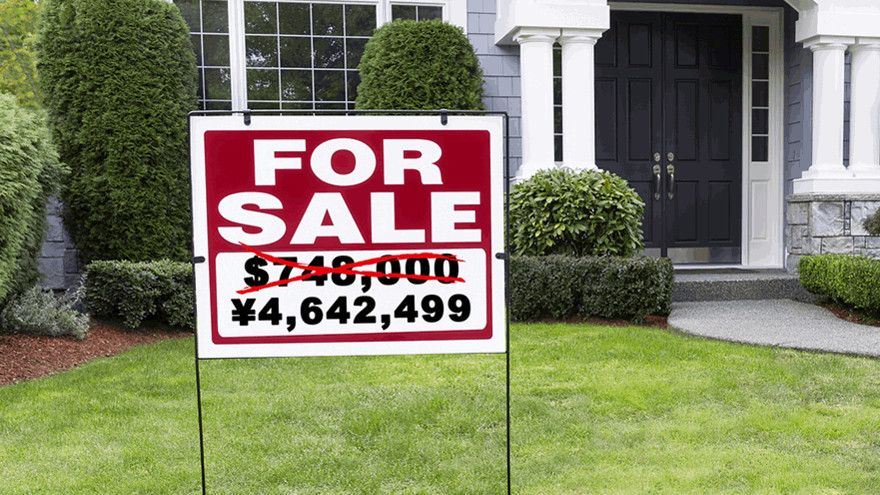
If it feels like more houses are sitting unsold than a few years ago, that is not just a feeling. According to the National Association of Realtors’ existing home sales data, inventory sat at a 4.6-month supply in mid-2026, well above the ultra-tight levels seen earlier in the decade.
More homes competing for the same pool of buyers means a house won’t sell on the market as easily as it might have a few years ago, even if nothing is actually wrong with the property itself. Buyers today have more options, more time, and more leverage than they did during the frenzy of 2021 and 2022.
That shift in market dynamics matters because it changes the baseline expectation for how long a sale should take. If your house won’t sell on the market within a few weeks, that does not necessarily mean something is broken, but it does mean the strategy needs to match the actual market conditions, not the memory of a hotter one.
Reason One: The Price Doesn’t Match Today’s Market
The single most common reason a house won’t sell on the market is price, and it is not particularly close. Industry surveys of top real estate agents consistently identify overpricing as the leading cause of stalled listings, with one national HomeLight survey finding that 77 percent of agents pointed to overpricing as the top mistake sellers make.
Many sellers anchor their expectations to what a similar home sold for in 2021 or 2022, when competition was fierce and prices climbed quickly. That comparison no longer holds, and a house won’t sell on the market when it is priced against a market condition that no longer exists.
The fix here is not comfortable, but it is straightforward. Pulling actual closed sales from the last 60 to 90 days, not last year’s peak comps, gives you a realistic number, and pricing within a few percentage points of that figure is what actually moves a stalled listing.
Reason Two: The Home’s Condition Doesn’t Match Buyer Expectations
At today’s mortgage rates, buyers are far less willing to take on a home that needs significant work. When a house won’t sell on the market despite reasonable pricing, condition is very often the second culprit hiding underneath the price conversation.
Deferred maintenance items like an aging roof, outdated systems, or visible repair needs used to be negotiating chips buyers would accept in exchange for a lower price. In 2026’s slower, more selective market, many buyers simply move on to the next listing instead of negotiating around these issues.
If you are trying to figure out whether repairs are worth the investment before your house won’t sell on the market for another month, our guide on whether to fix up your house before selling walks through the real cost comparison between investing in repairs and selling as-is.

Reason Three: Financing Friction Is Shrinking Your Buyer Pool
Higher borrowing costs are quietly narrowing who can actually afford your home, which is another reason a house won’t sell on the market even when it looks appealing online. According to Freddie Mac’s Primary Mortgage Market Survey, the 30-year fixed rate has hovered in the mid-6 percent range through much of 2026.
That rate environment pushes many otherwise interested buyers past their debt-to-income limits, especially at higher price points. A house won’t sell on the market when the pool of financially qualified buyers has shrunk, even if buyer interest and showings still seem reasonably strong.
This is part of why deals fall through even after an offer comes in. A financed buyer’s approval can collapse late in the process over appraisal gaps or underwriting issues, sending you right back to square one after weeks of feeling like the sale was finally moving.
Reason Four: Weak Marketing and Poor First Impressions Online
Nearly all home searches now start online, and if your photos, description, or listing quality do not grab attention in the first few seconds, a house won’t sell on the market no matter how nice it is in person. Buyers scroll past listings with dark, blurry, or unflattering photos without a second thought.
An agent who priced your home too high just to win the listing, a practice sometimes called “buying the listing,” is another common but less discussed reason a house won’t sell on the market. If your agent’s estimate turned out to be significantly higher than what comparable homes are actually closing at, that mismatch is worth confronting directly.
Reason Five: The Listing Has Gone Stale
There is a psychological effect that kicks in once a listing sits too long, and it compounds every other problem on this list. The longer a house won’t sell on the market, the more buyers assume something must be wrong with it, even when nothing actually is.
This creates a frustrating cycle. A stale listing gets fewer showings, fewer showings mean fewer offers, and the eventual sale price often ends up lower than it would have been with accurate pricing from day one. Many sellers respond by pulling the listing entirely rather than accepting a price cut, and delisting rates have climbed sharply as a result.
How Long Is Too Long When a House Won’t Sell on the Market
It helps to know what a normal timeline actually looks like before deciding your situation is unusual. According to recent NAR data, the median time on market for existing homes was running in the 30 to 40 day range through much of 2026, though that figure varies significantly by region and price point.
Add in a typical 30 to 45 day closing period once you are under contract, and a realistic full timeline for a traditional sale in today’s market runs two to three months from listing to closing, even under normal conditions. If your house won’t sell on the market well beyond that window, it is worth revisiting your pricing and presentation rather than simply waiting longer.
What to Do When You Have Already Tried Everything
If you have already priced competitively, made repairs, hired professional photography, and switched agents, and your house still won’t sell on the market, you are dealing with a genuinely frustrating situation that traditional advice does not always solve. Here are the paths worth considering at this point.
#1. Get an honest, independent second opinion on pricing. A second agent or an appraiser with no stake in the listing price can tell you plainly whether the number is the problem.
#2. Consider a temporary price reduction paired with fresh marketing. Relisting with updated photos and a reset “days on market” counter sometimes revives buyer interest that a stale listing has lost.
#3. Evaluate whether your home’s condition is actually the barrier, even if it feels fine to you. A pre-listing inspection can surface issues buyers are quietly flagging during showings.
#4. Look into FSBO complications if you tried selling without an agent. If a for sale by owner listing has not gained traction, our page on how we work with FSBO houses in Chicago Southland explains an alternative path.
#5. Consider selling as-is to skip the repair and staging cycle entirely. Our guide on how to sell your house as-is in Chicago Southland explains what that process actually looks like.
#6. Explore a direct cash sale if time and certainty matter more than squeezing out the last few thousand dollars of price. This sidesteps financing contingencies and buyer qualification issues entirely.
Why a Cash Sale Solves the Underlying Problem
Almost every reason a house won’t sell on the market traces back to friction somewhere in the traditional process: financing uncertainty, buyer hesitation, repair demands, or a shrinking pool of qualified buyers. A cash sale removes each of those friction points at once, since there is no mortgage approval to wait on and no lender-driven appraisal contingency to worry about.
Our detailed comparison of cash buyer vs. realtor breaks down exactly how these two paths differ on cost, timeline, and certainty, which is worth reading closely if your house won’t sell on the market and you are weighing whether a cash sale actually makes financial sense for your situation.
It is also worth understanding what a fair cash offer actually looks like before you decide, since the number matters as much as the speed. Our guide on how to know if a cash offer is fair walks through what goes into that calculation so you can compare it honestly against your stalled listing price.
Common Questions From Sellers Whose House Won’t Sell
How long should I wait before pulling my listing? If your house won’t sell on the market after 60 to 90 days with no offers and no meaningful showing activity, it is generally time to reassess pricing or strategy rather than simply waiting longer.
Should I switch real estate agents if my house isn’t selling? Sometimes, but first confirm whether the issue is pricing or marketing execution, since switching agents will not fix a home that is priced too high for the current market.
Is it a bad sign if buyers keep touring but not making offers? Not necessarily a bad sign about the home itself, but it often signals a pricing gap, where buyers like the property but do not believe it is worth the asking number.
Can I sell my house fast even if it has been sitting for months? Yes. A stale listing does not disqualify a home from a fast cash sale, since a cash buyer evaluates current condition and value rather than how long the property has already been listed.
Does relisting reset the days on market count? On most MLS systems, yes, though experienced buyers and agents can often still see the full listing history, so a fresh relisting works best when paired with a genuinely corrected price.
How We Can Help When Nothing Else Has Worked
If your house won’t sell on the market and you are ready for a different approach, we work directly with homeowners across Chicago Southland who need a path that does not depend on buyer financing or another round of showings. You can learn more about our process here or read more about our company before reaching out.
We buy homes in any condition, which means a stalled listing, deferred repairs, or a tired staging job never disqualifies your property from a fair cash offer. Our FAQ page answers many of the specific questions sellers in your exact situation tend to ask.
The Bottom Line
A house won’t sell on the market for reasons that are almost always identifiable and almost always fixable, whether that means adjusting price, addressing condition, or accepting that the traditional listing process simply is not the right fit for your timeline. Understanding which of these factors applies to your specific situation is the first step toward an actual solution instead of more waiting.
If you have already tried the traditional route and your house still won’t sell on the market, you do not have to keep waiting on a process that clearly is not working. You can get a free, no-obligation cash offer today and see what a faster, more certain path actually looks like for your property.