
If you own a rental property in the Chicago Southland and you’re thinking about selling, one question comes up almost immediately: do you actually have to give your tenant a heads-up first?
The short answer is that notice to tenants before selling house rules in Illinois are less about the sale itself and more about what happens around it, meaning showings, lease terms, and the eventual transfer of the property.
Selling a house with a tenant still living in it is completely legal in Illinois, but the notice to tenants before selling house question gets tangled up with several different legal threads that landlords need to separate out clearly.
The Short Answer: No Blanket State Law Requires a “Notice of Sale”
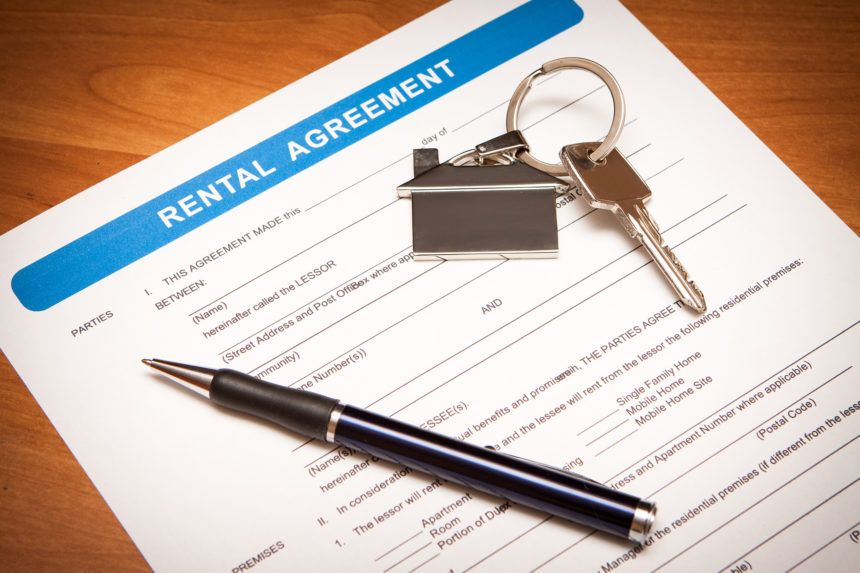
Here is the part that surprises a lot of landlords. Illinois has no statewide statute that specifically requires a landlord to send tenants a formal notice before deciding to sell a property.
The notice to tenants before selling house obligation that people search for online does not exist as its own standalone law in Illinois. What exists instead are related notice requirements that get triggered by specific actions connected to a sale, not by the sale decision itself.
The Illinois Attorney General’s Landlord and Tenant Rights and Laws fact sheet lays out the core notice obligations that do exist between landlords and tenants, and none of them mention a mandatory “I’m selling my house” letter.
Selling a house is a property ownership decision, and Illinois law generally treats it as the landlord’s business, not something that automatically triggers a notice to tenants before selling house requirement the way, say, a rent increase or lease termination does.
That does not mean you can sell without any communication at all. It means the notice to tenants before selling house question actually splits into three separate legal issues, each with its own rule.
Issue #1: The Lease Survives the Sale, Regardless of Notice
The most important legal fact for any landlord selling a tenant-occupied property in Illinois is this: a sale does not end an existing lease.
When a buyer purchases the property, they step into the seller’s shoes as the new landlord and must honor the terms of the current lease exactly as written, including the rent amount, the end date, and the security deposit obligation. Illinois Legal Aid Online’s guide to tenants’ rights and rental housing confirms this same principle from the tenant’s side of the transaction.
This is why notice to tenants before selling house questions often come from a place of misunderstanding. Tenants sometimes assume a sale means they have to leave. In most cases, that is not true.
If your tenant has six months left on a fixed-term lease when you sell, the new owner inherits those six months. They cannot force the tenant out early just because the deed changed hands.
If you are weighing whether selling with a tenant in place versus waiting for the lease to expire makes more financial sense, our page on selling a tenant-occupied rental in the Chicago Southland walks through both paths and how each affects timeline and price.
Issue #2: Notice for Showings Is Where the Real Requirement Lives
While there is no notice to tenants before selling house statute in Illinois, there absolutely is a requirement around entering the property, and showings during a sale fall under that umbrella. Illinois does not have a single statewide statute specifying an exact number of hours for landlord entry, which is different from many other states that set 24 or 48 hours as a hard minimum.
Under Illinois common law, the standard is “reasonable notice” given at “reasonable times,” and 24 hours is widely treated as the practical benchmark landlords should follow before letting an agent or buyer walk through an occupied unit.
Chicago changes this picture significantly. If your rental sits within Chicago city limits, the Chicago Residential Landlord and Tenant Ordinance requires landlords to provide at least two days, meaning 48 hours, of notice before entering a unit for a non-emergency purpose, including showings tied to a sale.

The ordinance also permits showings to prospective buyers specifically, and this counts as a legitimate reason for entry. Notice can be given by mail, phone, written note, or any other method reasonably designed to reach the tenant, and entry should happen at reasonable times, generally between 8:00 a.m. and 8:00 p.m.
Cook County has its own version of a landlord-tenant ordinance for unincorporated areas and certain suburbs, so if your rental is not in Chicago proper, it is worth checking whether your specific suburb has adopted the county ordinance or has its own local rule layered on top of the state baseline.
#1. Confirm whether your property sits inside Chicago city limits or under a local ordinance with its own notice period.
#2. If no local ordinance applies, plan around 24 hours of notice as the practical, defensible standard.
#3. Put the notice in writing even when the law does not strictly require it, since a paper trail protects you if a dispute comes up later.
#4. Keep showings within normal daytime hours unless the tenant agrees to something different.
#5. Never let anyone show up unannounced, even a licensed agent, since Illinois tenants can treat that as a lease violation on your part.
Issue #3: Ending a Tenancy Is Different From Selling It
A separate question that gets folded into notice to tenants before selling house searches is what happens if you actually want the tenant out before you sell, rather than selling with them in place. This is a lease termination question, not a sale notice question, and Illinois treats it accordingly.
For a month-to-month tenancy, Illinois law requires the landlord to provide 30 days of written notice to end the arrangement. For a year-to-year lease, the requirement jumps to 60 days of written notice.
Critically, an Illinois landlord does not have to state a reason for ending a month-to-month or expiring tenancy, meaning “I’m selling the house” is a perfectly valid unstated reason, but the notice period itself must still be honored regardless of why you are ending things.
If your tenant is mid-lease on a fixed-term agreement, you generally cannot force them out early just to deliver a vacant property to a buyer, unless the lease itself contains a specific clause allowing early termination for a sale, which most standard Illinois leases do not include.
This is a common source of frustration for landlords who assumed selling gave them an automatic exit from the lease. It does not.
Homeowners dealing with a tenant situation that overlaps with an estate matter, such as a rental inherited from a family member, may also find our page on selling a house in probate in Chicago Southland useful, since probate timelines and tenant lease timelines often need to be coordinated together.
What About the Security Deposit During a Sale?
Notice to tenants before selling house conversations almost always circle back to the security deposit, since sellers want to know whether they keep it, transfer it, or return it. Under Illinois law, the security deposit is tied to the tenancy, not to the individual landlord holding it.
When you sell, the deposit transfers to the new owner along with the lease, a point the Illinois Attorney General’s fact sheet addresses directly in its security deposit section.
The Illinois Security Deposit Return Act requires the deposit to eventually be returned within 45 days of the tenant moving out, with an itemized statement of any deductions provided within 30 days if the landlord withholds any portion.
That obligation follows the property, so as the seller, your closing documents should specifically account for the deposit transfer to avoid disputes down the line.
If the building has 25 or more units, Illinois law also requires interest to be paid on deposits held six months or longer, another detail that needs to be addressed clearly in the purchase agreement so nobody is caught off guard after closing.
Do You Have to Tell the Tenant You’re Selling At All?
This is the heart of most notice to tenants before selling house questions, and the honest answer is that Illinois law does not require you to announce your intent to sell before you list the property or accept an offer.
You are legally free to sign a listing agreement, market the property, and even accept a buyer’s offer without formally notifying the tenant first.
That said, practical reality steps in the moment you need to schedule a showing, because that action does trigger the entry notice rules discussed above. In effect, most landlords end up informing tenants fairly early anyway, simply because it is nearly impossible to sell an occupied property without eventually needing access for photos, inspections, or walkthroughs.
Being upfront early tends to produce a smoother sale process than springing showings on a surprised tenant, even where the law does not force your hand.
#1. Early communication reduces the odds of a tenant refusing reasonable access later.
#2. Tenants who feel blindsided are more likely to leave a property in poor condition for showings.
#3. A cooperative tenant can be a selling point for investor buyers looking at a rental with reliable rent history.
#4. Transparency lowers the chance of a tenant contacting a housing counselor or filing a complaint over access disputes.
What If the Tenant Refuses to Cooperate With Showings?
Illinois tenants cannot unreasonably withhold access once proper notice has been given, but “unreasonable” cuts both ways. A tenant can legitimately refuse an entry request made with insufficient notice, at an unreasonable hour, or with unusual frequency that starts to feel like harassment.
If a landlord in Chicago tries to show a unit without the required two-day notice under the RLTO, the tenant may be entitled to damages equal to one month’s rent, so cutting corners on notice can become expensive fast.
This is one of the biggest reasons some landlords in the Chicago Southland decide that selling to a direct cash buyer, tenant in place, makes more sense than trying to run a traditional listing through months of coordinated showings.
A cash sale eliminates the repeated access requests since there is no open house schedule or string of buyer walkthroughs to manage. Our page on why houses sit on the market for months covers some of the friction points, including tenant coordination, that slow down traditional listings.
Local Ordinances Beyond Chicago Worth Checking
Because Illinois leaves so much of the entry and notice framework to local governments, landlords outside Chicago should not assume state law is the only rule that applies.

Evanston, for example, has its own landlord-tenant ordinance with distinct notice periods for certain actions, including a longer cure period for nonpayment of rent than the standard five-day notice used elsewhere in the state.
If your property sits in a south suburban Cook County community, it is worth a quick call to your local municipal clerk to confirm whether a local ordinance modifies the notice to tenants before selling house landscape in any way, since ordinances can and do vary from one town to the next even within the same county.
Frequently Raised Questions
Buyers and sellers researching this topic tend to ask a consistent set of follow-up questions, so it is worth addressing them directly here rather than treating them as a separate section.
Can a landlord sell a house that has a tenant living in it in Illinois? Yes, this is entirely legal, and it happens constantly across the Chicago Southland rental market. The lease and security deposit both transfer to the new owner at closing.
Can a new owner evict a tenant right after buying the property? Not without legal cause and proper notice. A fixed-term lease binds the new owner exactly as it bound the seller. A month-to-month tenancy can be ended with 30 days written notice, but that notice has to follow the same rules any landlord would need to follow.
Does the tenant have a right to buy the property first? Illinois does not have a statewide Tenant Opportunity to Purchase law, so unless the lease itself contains a right of first refusal clause, the tenant has no automatic right to match a buyer’s offer.
How much notice is needed for a showing tied to a sale? Outside Chicago, plan around 24 hours as reasonable practice since no statewide number is codified. Inside Chicago, the RLTO requires a minimum of two days.
When Selling With a Tenant Feels Like Too Much
If working through notice periods, showing schedules, and lease timelines feels like more than you want to manage, especially with a tenant who is behind on rent or difficult to coordinate with, selling directly avoids most of these headaches entirely.
Sell To Dynasty buys tenant-occupied rentals throughout the Chicago Southland exactly as they sit, lease intact, without requiring a string of buyer walkthroughs or a vacant delivery date.
If you are also dealing with a mortgage balance you want cleared quickly as part of the sale, our page on selling a house with a mortgage in Chicago Southland explains how that process typically works alongside a tenant-occupied closing.
Understanding your notice to tenants before selling house obligations protects you from disputes, keeps your sale on schedule, and makes sure the tenant is treated fairly throughout a transition that can already feel stressful for everyone involved.
When in doubt about anything beyond the general notice to tenants before selling house framework covered here, particularly local ordinance questions specific to your suburb, a quick consultation with an Illinois landlord-tenant attorney is worth the modest cost to avoid an expensive mistake.