
Getting foreclosure papers is frightening. Court dates, legal language, and the fear of losing your home can feel like too much at once. But a foreclosure case is not the end, and you may still have time to act.
If you need to sell a house fast during foreclosure, you can. You remain the owner until the foreclosure sale is completed, so you can still choose to sell. The key is to move quickly and understand your deadlines.
This guide explains how foreclosure works in Chicago Southland, what a sale can do for you, and when a cash buyer makes sense. Every legal point links to a source so you can check it yourself.
Can You Sell a House Fast During Foreclosure?
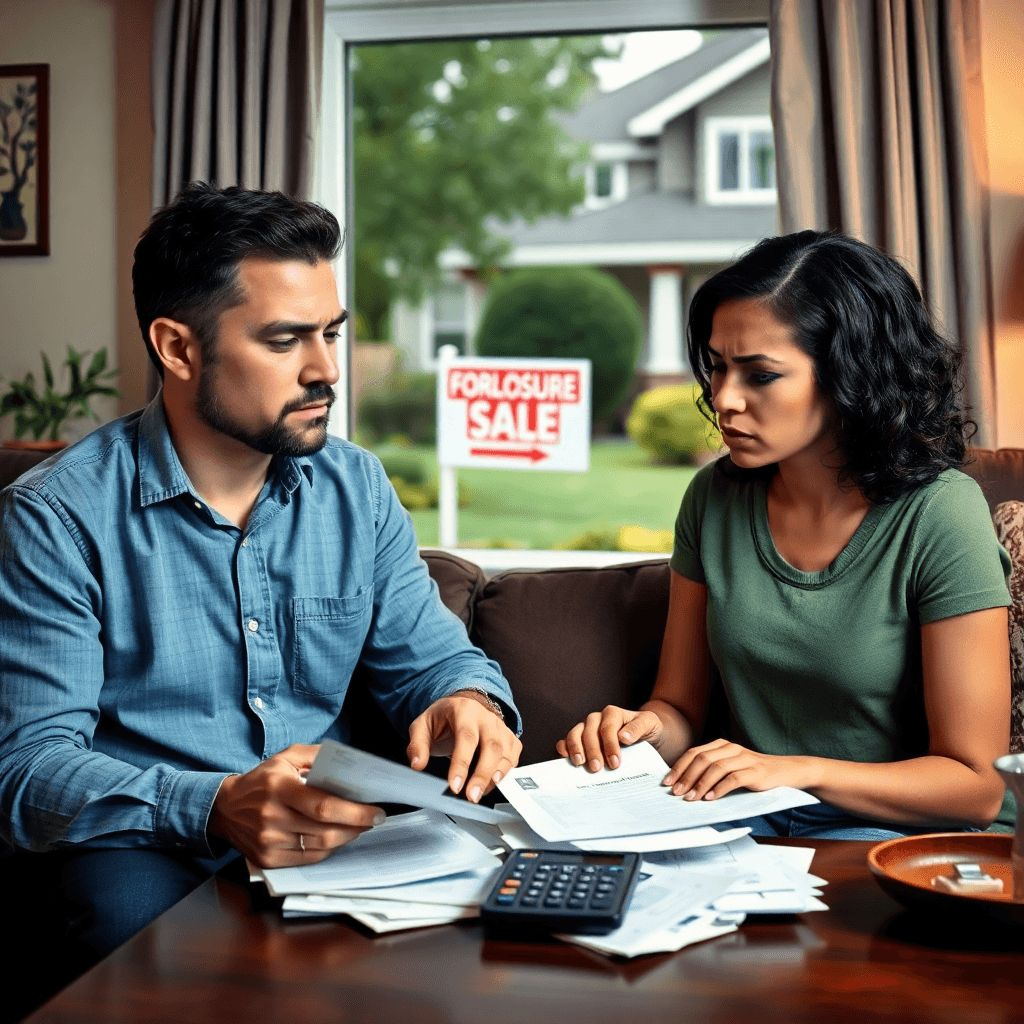
Yes, in most cases. Title stays in your name until the foreclosure sale is finalized, so you can still sell. A sale that pays off your lender can resolve the problem before the court takes your home.
Timing is what limits you. The further the case moves, the less time you have. That is why many owners look to sell a house fast during foreclosure instead of waiting for a court date.
A sale also protects your equity. If your home is worth more than you owe, you can walk away with money. A completed foreclosure can leave you with much less.
Read Sell My House Before Foreclosure for a closer look at how an early sale can protect what you have.
How Foreclosure Works in Chicago Southland
Our state uses a court-based process. Your lender must file a case, and a judge oversees it. That structure gives you protections and time, though not unlimited time. The legal aid foreclosure guide explains each stage in detail.
Federal rules slow the start. The Consumer Financial Protection Bureau explains that a servicer generally cannot start foreclosure until you are at least 120 days delinquent.
Once a case is filed, you receive a summons. You generally have about 30 days to file an answer with the court. Ignoring the summons can lead to a default judgment, so respond on time and consider speaking with an attorney.
After that, the case moves toward judgment and a possible sale. At each step, you can still sell the house. But your options narrow, so the earlier you start, the better.
The Rights That Can Buy You Time
Two rights matter most. The first is the right to reinstate. You may reinstate the mortgage within 90 days after you are served with the summons, as Legal Aid explains.
Reinstating means paying what you owe to bring the loan current. It is not realistic for everyone, but it can end the case if you can raise the funds.
The second is the redemption period. A foreclosure sale generally cannot happen until that period expires. During it, you can redeem by paying the full debt, including costs and fees.
In certain situations, you also have a limited special right to redeem after a sale. Because details depend on your case, a foreclosure attorney should review your dates.
These rights give you breathing room. Use that time to decide whether to keep the home or sell quickly during foreclosure on your terms.
Why Selling Beats a Completed Foreclosure
A forced sale takes control away from you. A court-ordered auction often brings less than a regular sale, and it can leave you with debt or no proceeds at all. Selling lets you choose the buyer and the closing date.
Credit is another reason. A completed foreclosure can stay on your credit report for years. The post on foreclosure and your credit explains how a sale compares.
#1 Control: You choose the buyer, price, and closing date.
#2 Equity: You may keep money that a foreclosure auction would not return.
#3 Credit: Avoiding a completed foreclosure can reduce long-term damage.
#4 Peace of mind: A clear end date replaces constant uncertainty.
For a side-by-side look, read pre-foreclosure sale vs. waiting for the bank. It shows why acting early usually wins.
What a Sale Pays Off
When you sell, the title company pays your lender first. The payoff includes your loan balance plus missed payments, late fees, interest, and often the lender’s legal costs. That total is higher than your regular balance.
Ask your servicer for a payoff statement right away. It tells you the exact amount needed to close out the loan. Without it, you cannot know how much equity you have.
Next are closing costs and any liens. Whatever remains is yours. The guide on what happens to your mortgage when you sell walks through the payoff step by step.
To see what else comes out of a sale, read “Who Pays Closing Costs.” Knowing the numbers helps you decide whether to sell fast during foreclosure or explore other options.
How a Cash Sale Can Stop Foreclosure
A cash buyer can often close faster than a buyer who needs a loan. No bank approval to wait for, no appraisal delays, and no financing that can fall through. That certainty matters when a deadline is near.
Here is how a cash offer when facing foreclosure usually works.
#1 You request an offer and share basic details about the home and your timeline.
#2 The buyer reviews the property, often with a single walkthrough.
#3 You receive a written offer and decide whether to accept.
#4 A title company orders a payoff and checks for liens.
#5 You close on a date that beats your court deadline, and your lender is paid from the proceeds.
If you pay the loan in full at closing, the foreclosure has nothing left to collect. That is how you can stop foreclosure with a cash sale. Confirm the steps with your attorney to resolve the case properly.
For more on timing, read how long selling a house for cash takes. It explains what affects the schedule.
Why Cash Fits a Foreclosure Timeline

Traditional listings take time. You must prepare the home, hold showings, and wait for buyers to secure loans. If an auction date is close, that wait can cost you the house.
Cash buyers also purchase as-is. You do not have to fix the roof, paint, or stage anything. When money is tight, skipping repairs matters.
Understanding the offer helps too. The guide on how a cash offer is calculated shows how buyers arrive at their numbers, so you can judge whether an offer is fair.
If you are weighing options, see cash buyer vs realtor. It explains when a listing makes sense and when cash is the better tool.
What If You Owe More Than the House Is Worth?
Some owners owe more than their home would sell for. That is called being underwater, and it changes the plan. A regular sale will not cover the full loan.
In that case, you may need a short sale, where the lender agrees to accept less than the balance. Read what is a short sale to learn how it works and how it differs from foreclosure.
You can also explore other strategies for selling an underwater house. Each path requires lender approval, so start as early as possible.
Get a clear value and a payoff statement first. Those two numbers show whether you can sell a house fast during foreclosure and still walk away with money.
Other Options Before You Sell
Selling is not your only choice. Consider every option, even if you decide it doesn’t fit. Some may let you keep the home.
#1 Loan modification: Your servicer changes the loan terms to lower payments.
#2 Forbearance: You pause or reduce payments for a set time.
#3 Repayment plan: You catch up gradually while paying regularly.
#4 Reinstatement: You pay the past-due amount in full to bring the loan current.
#5 Bankruptcy: Filing for bankruptcy can pause the case, so speak with a bankruptcy attorney to see whether it fits.
Free help exists. A HUD-approved counselor can review your situation and talk with your lender. You can search through HUD’s housing counseling tools, and IHDA lists housing counseling programs for state homeowners.
Our guide on how to avoid foreclosure covers these options in depth.
Realtor or Cash: Choosing Under a Deadline
A Realtor listing can bring a higher price when the home is in good shape, and you have time. Some owners in early foreclosure still list and succeed. The risk is running out of time.
A cash sale trades some price for speed and certainty. If a court date or sale date is near, that trade often makes sense. You avoid showings, repairs, and loan delays.
Other life events can overlap with foreclosure. If you lost income, read cash buyer vs. realtor when you file for bankruptcy to see how that affects your choices.
Whatever you choose, never count on a listing to sell in time. Build a backup plan so you are not left with nothing.
Steps to Take Right Now
When you are overwhelmed, a checklist helps. These steps keep you moving, even if you do not have every answer yet.
#1 Read every court document and write down each deadline.
#2 Contact a foreclosure attorney or a HUD-approved counselor.
#3 Request a payoff statement from your servicer.
#4 Get an honest estimate of what your home could sell for.
#5 Gather documents using what documents you need to sell a house as a guide.
#6 Compare at least two offers before you choose a buyer.
These steps work whether you keep the home or sell it fast during foreclosure. Information protects you either way.
What You Need to Close Quickly
A fast closing depends on clean paperwork. Gather your deed, loan statements, court papers, and tax bills. The title company needs them to confirm ownership and the payoff amount.
Tell the title company about the foreclosure case early. They coordinate with your lender and the court filings. Surprises at closing can delay a sale or put it at risk.
If you want the full list, read paperwork needed to sell a house. It helps you avoid last-minute holdups.
Good preparation also keeps you in control. You will know what each step requires and when it should be done.
Taxes After the Sale
If you walk away with proceeds, plan for taxes. Many homeowners can exclude part of the gain from selling a main home. The IRS explains the rules in Publication 523.
Gains are less likely in a distressed sale, but the rules still matter. If your lender forgives debt in a short sale, that can raise separate tax questions. Talk with a tax professional about your case.
Keep copies of every closing document. You may need them for your tax return or later paperwork.
Avoiding Scams When You Are Under Pressure

People facing foreclosure attract bad actors. Be careful with anyone who asks for fees upfront, asks you to sign over your deed, or promises to save your home for a price. You should never have to pay for foreclosure rescue.
Check who you are dealing with. The guide on how to verify a local home buyer gives you a checklist, and is selling a house for cash a scam shows warning signs.
Pressure is a red flag. If someone insists you decide today, slow down. See pressured to sell a house fast for how to protect yourself.
Before you sign, read: Can I back out after accepting a cash offer? So you understand your commitment. A trustworthy buyer explains everything in writing.
Mistakes That Cost Homeowners Their Equity
A few errors cause real harm. Avoid these.
#1 Ignoring the summons or missing the deadline to respond.
#2 Waiting until the last weeks to look for a buyer.
#3 Signing a deed over to a company that promises to save your home.
#4 Accepting an offer without knowing how it was calculated.
#5 Skipping legal advice because the situation feels hopeless.
Waiting is the costliest mistake. Fees and interest grow every month. Read about waiting too long to sell a house to see how delay shrinks your options.
Ready to Sell a House Fast During Foreclosure in Chicago Southland?
You don’t have to give your home to the court. Acting now lets you sell a house fast during foreclosure and keep control of the outcome.
Dynasty Home Buyers works with homeowners across Chicago Southland who need a fast, respectful solution. Visit our page on selling a house in foreclosure in Chicago Southland to learn more about your options.
When you are ready, visit Sell To Dynasty to request a no-obligation cash offer. A clear plan today can protect your equity, your credit, and your peace of mind.
Frequently Asked Questions
#1 Can you sell a house that is in foreclosure?
Yes. You remain the owner until a foreclosure sale is completed, so you can sell at any point before then. The sale must pay off your lender, including missed payments and fees.
#2 How long do I have to sell my house before foreclosure?
It depends on where your case stands. Federal rules generally prevent a lender from starting foreclosure until you are 120 days delinquent, and the court process adds more time. Check your court papers for exact dates and ask an attorney.
#3 Can I sell my house if I owe more than it is worth during foreclosure?
Yes, but you will likely need a short sale, where the lender accepts less than the full balance. That requires lender approval and takes time. Start the conversation as early as you can.
#4 What happens to my equity if I sell during foreclosure?
After you pay the lender, closing costs, and any liens, whatever remains is yours. A foreclosure auction can leave you with less or nothing. That is why selling early often protects more equity.
#5 Can a cash sale stop foreclosure?
It can, if the sale pays off the loan before the foreclosure sale happens. The title company coordinates the payoff with your lender at closing. Confirm with your attorney that the case is properly closed out afterward.
#6 How fast can I sell my house to avoid foreclosure?
A cash sale is often the fastest route because you don’t have to wait for loan approval. Timing still depends on title work and the lender’s payoff process. Starting early gives you the most flexibility.
#7 Will selling my house before foreclosure help my credit?
It can limit the damage. Late payments still appear on your report, but avoiding a completed foreclosure may help you recover sooner. Results vary, so ask a housing counselor what to expect.
#8 Can I sell my house myself during foreclosure?
You can, but it takes time and effort. You would handle pricing, showings, and paperwork while deadlines run. Many owners choose a cash buyer or an agent to save time.
#9 Do I still owe money after I sell during foreclosure?
If the sale covers the payoff and costs, you owe nothing more on the loan. If you owe more than the home sells for, ask your lender how they’ll handle any remaining balance before you agree to a short sale.
#10 Should I sell my house or let it go to foreclosure?
Selling usually gives you more control, a chance to keep equity, and less long-term credit damage. A completed foreclosure ends in a forced sale and a lasting mark on your record. Talk with an attorney or counselor about your situation.