
Yes, you can sell a house with belongings inside. It happens all the time, especially after a death, a move to assisted living, a job loss, or a long stretch of life that never left time for packing.
The real question is not whether it is allowed. The real question is what happens to your furniture, boxes, and keepsakes when the deal closes, and who is responsible for them?
This guide explains that in plain language. You will learn what stays with the house, what leaves with you, and how to protect yourself. It also covers how to sell a house with belongings inside across the Chicago Southland without an exhausting clean-out.
The short answer: you do not always have to empty the house
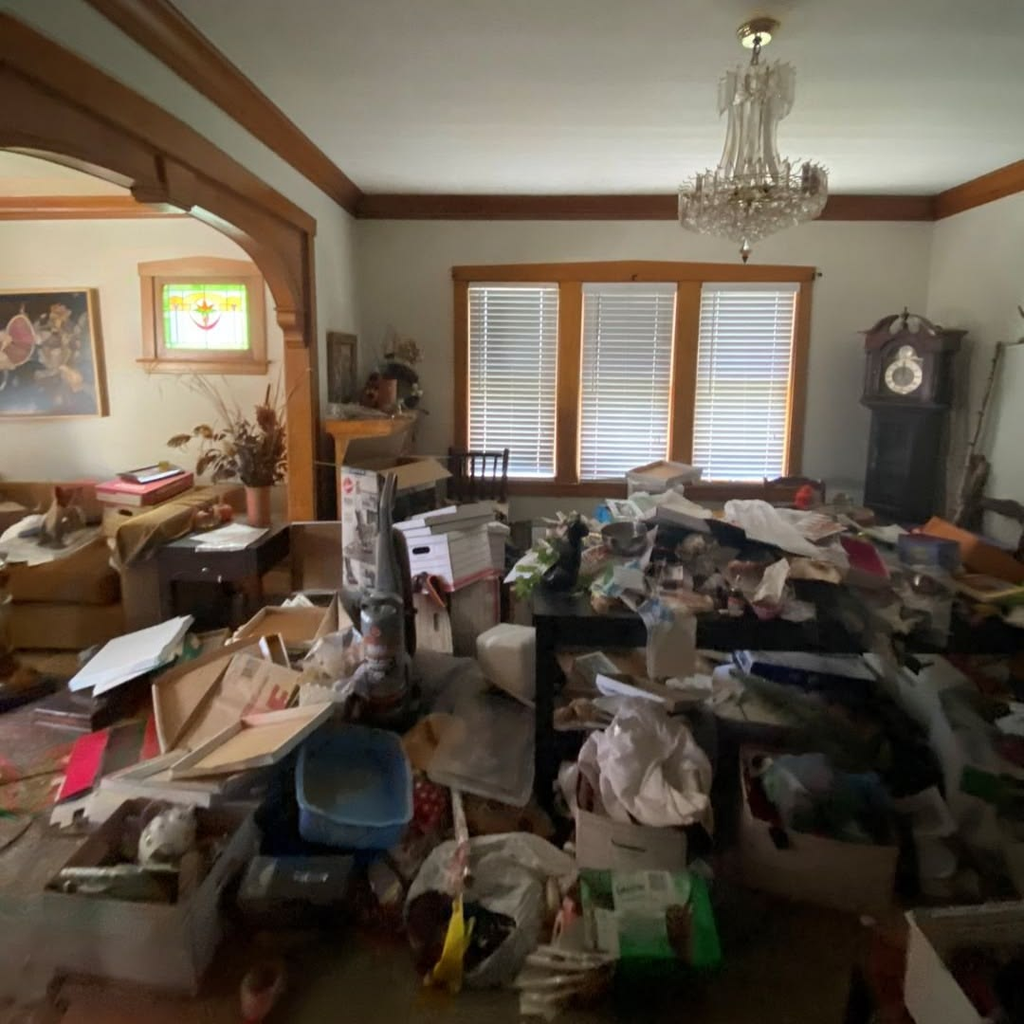
Many owners believe a house must be spotless and empty before it can be sold. That is a myth. A buyer can purchase a house with items still in it if the contract says so.
What matters is that everyone agrees in writing on what happens to the contents. When both sides are clear, you can sell a house with belongings inside and close without a problem.
The trouble starts when nobody writes anything down. Then the closing date arrives, the house is still full, and each side assumes the other will deal with it.
Your best protection is a clear contract. We will show you exactly what that should say, and why it matters so much.
What stays with the house and what leaves
Before you decide anything, it helps to know the basic rule. Real estate has two kinds of things: fixtures and personal property.
Fixtures are items attached to the house. They usually go to the buyer unless the contract says otherwise. Personal property is anything not attached, and it usually stays with you.
Here is how it often breaks down.
#1 Usually stays with the house: light fixtures, ceiling fans, built-in shelves, installed cabinets, the furnace, the water heater, central air, and permanently attached items.
#2 Usually belongs to you: furniture, rugs, lamps, clothing, dishes, tools, decorations, family photos, and loose items in closets and garages.
#3 Often needs to be written down: appliances like the refrigerator, washer, and dryer; window coverings; mounted televisions; and shed or garage storage units.
Because people interpret these items differently, the contract should list what is included and what is not. Never assume.
Why the contract matters more than anything else
Your purchase agreement is where you settle the question. It can say that belongings are included, excluded, or must be removed by a certain date.
If you plan to leave items, the contract should say so plainly. For example, it can state that the buyer accepts the home with all remaining personal property and will handle removal.
If you plan to take some items, it should say what you will remove and by when. That prevents confusion at the final walkthrough.
The best protection is simple. Write what is staying, what is leaving, who handles removal, and the deadline. A good buyer will have no problem putting this in writing.
Our post on what documents you need to sell a house shows what to gather before you sign anything.
Four things you can do with your stuff
You have more choices than you may think. Most owners end up using a mix of these.
#1 Keep it. Take what matters to you, such as keepsakes, photos, important papers, and furniture you will use. Move it to a new home or a storage unit.
#2 Sell it. You can sell furniture, tools, and collectibles through online marketplaces, consignment shops, or an estate sale company. This can bring back some money.
#3 Donate it. Charities often accept clean furniture, clothing, and household goods. Some will even pick up larger items. Ask for a receipt for your records.
#4 Leave it for the buyer. Some buyers will purchase the house with the contents and clear it out themselves. This is the fastest option, but you need it in writing.
Our guide on cleaning out a house before selling covers the do-it-yourself side in more detail.
Can you sell a house with furniture in it on the regular market?
You can, but it makes a traditional listing harder. Buyers who tour a home full of belongings often struggle to picture themselves living there.
Photos look cluttered, rooms feel smaller, and buyers may assume the home has hidden problems. That can lower offers or keep the house on the market longer.
There is also a security issue. When strangers tour a home full of valuables, medications, and papers, you need a plan to protect your belongings.
If you list with an agent, expect advice to remove clutter, pack personal items, and sometimes stage the home. That takes time and effort. Our post on why houses sit on the market explains how condition and presentation affect your timeline.
How a cash sale helps when the house is still full
A cash buyer is often the easiest path if you need to sell a house with belongings inside. Many cash buyers expect to see homes with furniture, boxes, and leftover items.
They buy the house as-is, including the mess. They are not looking for staging or perfect photos. They are looking at the structure, the condition, and the numbers.
You can ask whether the buyer will take the contents with the house. Some will, and some will ask you to take out certain items. Get the answer in writing.
When you sell a house with belongings inside to a cash buyer, you may also save on dumpsters, haulers, and weeks of sorting. Removal costs are usually built into the offer.
Our post on selling a house fast without repairs explains how as-is sales work and what to expect when selling a house for cash, and walks you through the process.
Take these things out no matter what
Even if you leave furniture behind, a few categories of items should leave with you. These are items that are private, valuable, or sensitive.
#1 Important documents. Take birth certificates, Social Security cards, tax records, deeds, wills, insurance papers, and bank statements. Shred what you do not need.
#2 Valuables and cash. Remove jewelry, coins, cash, collectibles, and anything with real value. Check pockets, drawers, and hiding spots.
#3 Medications. Take or properly dispose of prescriptions and over-the-counter drugs. Many pharmacies run take-back programs.
#4 Firearms and ammunition. Remove them safely and legally. Do not leave them in the house for any reason.
#5 Photos and keepsakes. Family albums, letters, and sentimental items cannot be replaced. Set them aside early before the rest of the house is handled.
#6 Electronics with personal data. Computers, phones, tablets, and old hard drives can hold private information. Wipe them or remove them.
#7 Hazardous materials. Old paint, chemicals, fuel, and pesticides need proper disposal. Your village or county may have a household hazardous waste program.
What happens to items left in the house after closing?
This is the question that causes the most worry. The answer depends on your contract. If the contract says the buyer takes the contents, they become the buyer’s responsibility after closing.
If nothing is written, it gets messy. You may have left things behind that the buyer did not agree to take. They may expect you to come back for them, or they may throw them away.
You should not count on getting items back after closing. Once the house has been transferred, you no longer control it, and the buyer may change the locks right away.
That is why a clear written agreement is so important. Decide what you want to keep, and take it out before closing day. Everything else should be covered in the contract.
For a look at what happens next, read our post on what happens to a house after a cash sale.
If you inherited the house and everything in it
Selling an inherited home means dealing with the contents of someone’s whole life. It is emotional, and it is also a legal matter.
When a person dies, their belongings usually belong to the estate. The executor or administrator has the authority to handle them, and you may need court approval before selling or disposing of certain items.
If you are not sure who has authority, speak with a probate attorney before moving or selling anything. That protects you from disputes with other family members.
Families often disagree about who gets what. Our posts on family disagreements over an inherited house and selling a house with family conflict offer practical guidance.
The good news is that you can still sell a house with belongings inside after a death. Many cash buyers purchase inherited homes with the contents included. Learn more on our page about selling an inherited house and in our post on inherited houses in Cook County.
If there is no will, start with our guide to owning a house after dying without a will.
If you are selling a parent’s house after a move
Another common case is a parent moving into assisted living or a care facility. The house may be full of decades of belongings, and the family may live far away.
Start by separating what the parent needs in their new home. Then identify keepsakes for the family. Everything else can be sold, donated, or left with the buyer.
Do not rush the sentimental items. Give family members time to choose, then set a clear deadline. Our post on selling a parent’s house for assisted living covers this in more depth.
Be careful about valuables and papers. Gather the documents first, because insurance, taxes, and care costs may all need records from the house.
If the house is packed to the ceiling
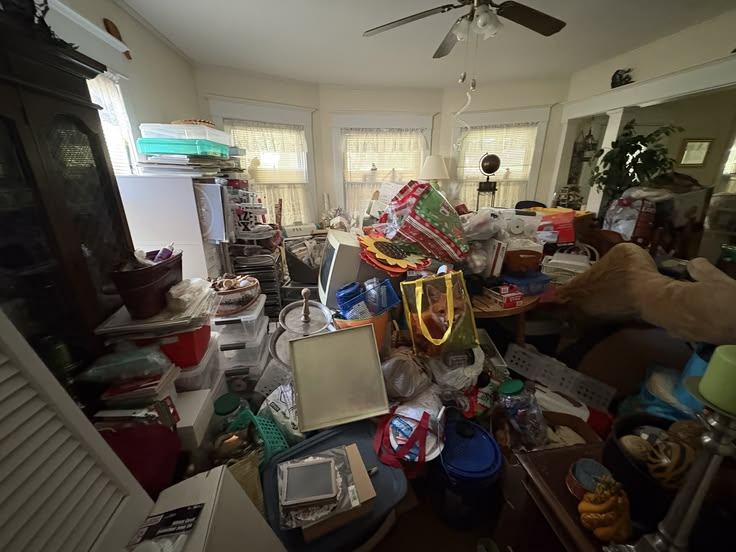
Some homes are not just full. They are packed. If your home has severe clutter, you may feel too overwhelmed to even start.
You are not alone, and you do not have to clean it all yourself. Many buyers specialize in homes like this, including homes with heavy clutter or hoarding conditions.
Safety matters. Heavy clutter can create fire, mold, pest, and structural risks. Before anyone starts clearing, make sure the space is safe to enter.
Our guide on buying hoarder houses in the Chicago Southland explains how these sales work and what to expect.
The key point is that you can sell a house with belongings inside, even in extreme conditions. You just need a buyer who understands the situation and treats you with respect.
If the house is empty of people but full of things
Sometimes owners have already moved out, but the house still holds furniture and boxes. Vacant houses with leftover items need extra attention.
Vacant homes can attract break-ins, and unattended houses can develop leaks or pests. Keep utilities on and check on the property.
Our guide on cash home buyers for vacant houses explains how vacant property sales work.
If you plan to sell a house with belongings inside while living elsewhere, make sure someone you trust can meet the buyer at the property for the walkthrough and final handoff.
What if a tenant left belongings behind?
Landlords face a different version of this problem. A tenant moves out and leaves furniture, trash, and personal items behind. You cannot just toss everything.
Legal rules govern how to handle a tenant’s abandoned property, and they vary by local rules. Check your lease, and speak with a landlord attorney before disposing of anything.
Sometimes a payment can speed things up. Our post on cash for keys explains how offering money can help a tenant leave and take their things.
If you are selling a rental, see our post on selling a rental property with tenants. Our page on selling a tenant-occupied rental explains the process.
The final walkthrough and closing day
Before closing, the buyer usually does a final walkthrough. This is their chance to confirm the home is in the agreed condition and that you did what the contract says.
If you promised to remove certain items, they should be gone. If you agreed to leave items, they should be where the contract says. Surprises can delay closing.
Take photos or video before closing day. This protects you if anyone later claims something was damaged or missing. Our post on the home buyer walkthrough explains what to expect.
On closing day, bring your ID and make sure you hand over every key, garage remote, and code. A title company will guide the signing and handle the funds.
Money and tax points to know
Selling belongings can bring in cash, but it also brings questions. In general, selling used household items at a loss does not create a deductible loss. If you sell something valuable for more than you paid, there may be a taxable gain.
The IRS explains the rules for selling your home in Publication 523. For anything involving valuable collectibles or estate property, speak with a tax professional.
Removing belongings can also cost money. Dumpsters, junk haulers, storage units, and estate sale fees add up. Compare those costs with the price a buyer would pay for the house as-is.
Also review who pays what at closing. Our guide on closing costs when selling a house explains the usual items.
Common mistakes to avoid
A few errors cause most of the stress. Avoid them, and the process goes much more smoothly.
#1 Leaving things with no written agreement. If it is not in the contract, you cannot count on the buyer treating it the way you expect.
#2 Forgetting private papers. Documents with personal information should never be left behind. Check drawers, files, and desks.
#3 Missing valuables. People often find cash and jewelry in strange places. Take your time to search closets, pockets, and storage areas.
#4 Throwing away something important. Do not discard items before you check them. Old letters, deeds, and photos can matter a great deal.
#5 Waiting until the last week. Sorting takes longer than expected. Start early, or choose a sale option that does not require it.
#6 Ignoring safety. Lifting heavy items, entering cluttered rooms, and handling hazardous materials can be dangerous. Ask for help when you need it.
Steps to sell a house with belongings inside
Here is a simple plan you can follow.
#1 Decide what you want to keep. Walk through the house and choose the items that matter most. Set them aside first.
#2 Secure important papers and valuables. Gather documents, jewelry, cash, and electronics, and put them somewhere safe.
#3 Choose your selling route. Decide whether you want to clean out and list, or sell as-is to a buyer who will take the contents. Compare real offers.
#4 Ask about the contents. If you want to leave items, ask the buyer directly whether they will take them and whether it affects the price. Our list of questions to ask a cash home buyer helps.
#5 Verify the buyer. Make sure the company is real and local. See how to verify a local home buyer.
#6 Put the plan in writing. The contract should say what stays, what goes, and the removal deadline.
#7 Do the walkthrough and close. Remove what you promised to remove, hand over the keys, and sign at the title company. Our guide on how long a cash sale takes shows the typical timeline.
For general consumer guidance on closing and avoiding scams, visit the Consumer Financial Protection Bureau. The Illinois Realtors and National Association of Realtors sites also publish helpful buyer and seller resources.
You still have to disclose the condition of the house
Leaving belongings behind does not change your disclosure duty. State law requires most sellers of one- to four-unit homes to give the buyer a disclosure report about known problems before the contract is signed.
You can read it in the state’s Residential Real Property Disclosure Act. The report covers things like roof leaks, basement water issues, foundation problems, and plumbing or electrical defects.
A house full of belongings can hide problems, such as water stains behind furniture. If you know about an issue, disclose it. Honest information protects you and keeps the deal from falling apart later.
Bottom line
You do not need to spend weeks emptying a house before you sell it. You can sell a house with belongings inside, as long as the contract is clear about what happens to the contents.
Take what matters, secure what is private, and put everything else in writing. Compare your options, and choose the path that fits your time, your health, and your budget.
If you want an honest offer on a house that is still full, visit Sell To Dynasty to get started. You can sell a house with belongings inside without making the process harder than it has to be.
Frequently asked questions
Can I sell a house with belongings inside?
Yes. There is no rule that says a house must be empty before it can be sold. You can sell a house with belongings inside as long as the buyer agrees to the terms and the contract spells out what happens to the contents.
The easiest way is to sell to a buyer who purchases homes as-is, including leftover furniture and personal items. Many cash buyers do this regularly, especially for inherited homes, vacant houses, and homes with heavy clutter.
If you list with an agent, you can also sell with belongings, but showings and buyer interest are usually better when the home is decluttered. Buyers who use mortgages tend to want a clean, move-in-ready property.
Whatever route you choose, remove private papers, valuables, medications, and sentimental items first. Then put the plan for everything else in writing so nobody is surprised at closing.
What happens to my furniture and belongings when I sell my house?

It depends on what you and the buyer agree to. Furniture and other personal property are usually yours unless the contract says they transfer to the buyer. Items attached to the house, such as light fixtures and built-in features, usually go with the home.
If you want to take your furniture, you remove it before closing. If you want the buyer to keep it, the contract should say the buyer accepts the remaining personal property and will handle removal after closing.
Appliances, window coverings, and similar items are often a gray area. Do not assume. List what is included and what is excluded so there is no argument later.
After closing, you generally lose control of the property. Anything left behind that isn’t covered by the contract may be disposed of or kept by the buyer, so don’t count on getting items back later.
Do I have to empty the house before closing?
Not always. Whether you must empty the house depends on the contract. Some contracts require the house to be delivered empty and broom-clean, while others allow personal property to remain if the buyer agrees.
In a traditional sale, buyers often expect the home to be cleared by closing or by a specific possession date. If you miss that date, it can cause delays or extra charges.
In a cash sale of a home with contents, the buyer may agree to take the house as-is. That lets you walk away with only what you want and leave the rest.
If you are unsure, ask the buyer or the title company what the contract requires. Never wait until the last day to find out. Confirm everything in writing as early as possible.
What happens to items left in a house after closing?
It depends on the contract. If the agreement says the buyer takes the contents, they become the buyer’s property and the buyer is responsible for them. You should not expect to come back for them.
If the contract says nothing, the situation is unclear and can cause disputes. The buyer may think the items were abandoned, while you may think you can retrieve them. Many buyers will change the locks right after closing.
This is why you should never leave anything you care about in a home you have sold. Move all valuable, personal, and sentimental items out before the final walkthrough.
For anything you decide to leave, get a written statement in the contract that the buyer accepts those items. That clarity protects both sides and keeps the closing smooth.
Can I sell a house with belongings inside after someone passes away?
Yes. This is very common. When a person dies, the belongings in the house usually belong to the estate, and the executor or administrator has the authority to manage them.
Before selling or removing items, confirm who has legal authority. If probate is required, you may need court approval for certain actions. A probate attorney can explain what applies to your situation.
Families often need time to sort through belongings and decide who gets what. If family members disagree, address that early to avoid delays or conflict at closing.
Many buyers purchase inherited homes with the contents included. That can spare the family the heavy work of clearing the house while they grieve. Just make sure the agreement is in writing, and everyone with an interest approves it.
Will a buyer pay less if my belongings are still in the house?
Possibly. A buyer who takes on the contents also takes on the work and cost of removing them. They may reduce the offer to cover hauling, dumpsters, and labor.
But compare that to what it would cost you to do the work yourself. When you count your time, a dumpster, a junk removal company, storage, and weeks of carrying costs, the difference may be smaller than you expect.
The amount depends on how much is in the house, its condition, and whether anything has resale value. A house with a few pieces of furniture is very different from one packed with years of clutter.
Ask the buyer to explain how the offer was built. A fair buyer should be able to tell you how the contents affected the price. Compare offers before you decide.
How do I protect my valuables and private papers when selling?
Remove them before showings, walkthroughs, or any contractor visits. Documents with personal data, like tax records, bank statements, and medical papers, should be taken with you or shredded.
Move valuables like jewelry, cash, coins, and collectibles to a safe place. Search drawers, pockets, closets, attics, and basements, because people often store valuables in unexpected spots.
Also remove medications, firearms, and ammunition safely and legally. Wipe or take any computers, phones, and hard drives that hold personal data.
If someone else is helping you clear the house, such as a family member or a hauler, set clear rules about what is off limits. Keep a list of what you moved and where it went.
What do I do with items I do not want to keep?
You have four main options. You can sell them online or through a consignment or estate sale company, donate them to a charity, throw them away, or leave them for the buyer under the contract.
Selling takes more time but can bring money back. Donating is good for clean furniture and household goods, and many charities offer pickup for large items. Ask for a receipt for your records.
Disposal takes planning. Dumpsters, junk removal services, and large item pickups may require permits or fees. Hazardous items like paint, chemicals, and old fuel need special handling through your village or county program.
If you do not have the time or energy, selling to a buyer who takes the contents may be the simplest answer. It lets you keep what matters and hand off the rest in one step.