
Every homeowner preparing to sell eventually asks the same question. Should I fix things up first, or sell the house exactly as it sits?
The selling-as-is vs. making-repairs decision sounds simple on the surface, but the real answer depends on math most sellers never run before committing to a plan.
This guide walks through the true cost of repairs before selling, what an as-is sale actually nets you, and how to compare the two paths honestly so you can make the choice that keeps the most money in your pocket, not just the choice that sounds better in theory.
Why the Selling House As-Is vs Making Repairs Question Is So Easy to Get Wrong

Most homeowners assume that repairs automatically pay for themselves at resale. That assumption is where the selling house as-is vs making repairs decision usually goes wrong, because not every dollar spent on a home comes back at closing.
According to the National Association of Realtors and National Association of the Remodeling Industry’s Remodeling Impact Report, cost recovery varies enormously by project. Some improvements, like a new steel front door or a closet renovation, recover a large share of their cost.
Larger interior remodels often recover far less. That gap is exactly why you should look closely at the cost of repairs before selling, before you spend a dollar.
Breaking Down the Real Cost of Repairs Before Selling
Before you can fairly compare selling your house as-is vs. making repairs, you need an honest number for what repairs will actually cost you, not just in materials, but in time, financing, and risk.
#1 Direct costs include materials, labor, permits, and any required inspections tied to the specific repairs your home needs.
#2 Carrying costs include your mortgage payment, property taxes, insurance, and utilities for every month the home sits unsold while repairs are underway.
#3 Financing costs apply if you need a loan or line of credit to fund repairs, adding interest on top of the repair bill.
#4 Opportunity costs include the time you spend managing contractors, getting bids, and waiting on a repair timeline instead of simply closing on a sale.
Once you add these categories together, the true cost of repairs before selling is almost always higher than the contractor’s initial quote, which is a major factor in deciding whether to sell the house as-is or make repairs.
What a Realtor Sale With Repairs Actually Looks Like
Choosing to make repairs before listing usually means working with a realtor who can advise on which projects matter most to local buyers.
This path can produce a higher final sale price, but it comes with real time and cash requirements that are easy to underestimate.
Most agents will walk a seller through a list of recommended repairs and updates before listing, based on what comparable homes in the area have sold for.
The challenge is that homeowners are expected to fund all of this work upfront, often months before they see any return, which is one of the central tensions in the selling house as-is vs. making repairs comparison.
Contractor availability is another factor that homeowners frequently underestimate. Even simple projects can take weeks longer than expected once you factor in scheduling delays and material lead times, which pushes the entire selling timeline further out.
What an As-Is Sale Actually Looks Like
On the other side of the as-is vs. repair decision is a direct sale to a cash buyer, where the home is purchased in its current condition with no repairs required.
#1 You don’t need to get contractor bids, schedule work, or manage a renovation timeline before selling.
#2 You don’t need to fund repairs out of pocket or take on debt to cover repair costs before selling.
#3 The home can typically close in one to four weeks, compared with the months a repair-and-list strategy often requires.
#4 The tradeoff is price. A cash offer accounts for the buyer’s own cost to bring the home up to market condition, so the offer will generally be lower than what a fully repaired home could fetch on the open market.
For homeowners who want to skip the repair process entirely, Sell To Dynasty buys homes as-is across the Chicago Southland, with no repairs, cleaning, or showings required before closing.
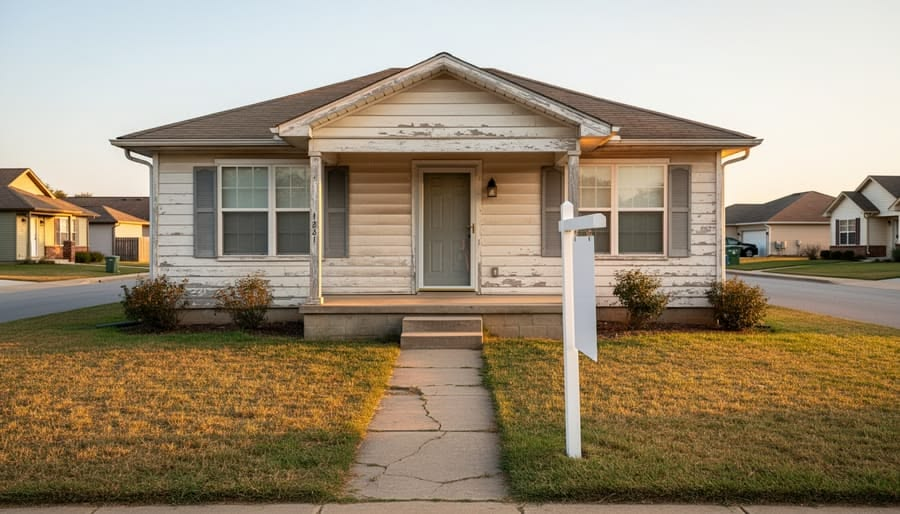
Running the Numbers: Selling House As-Is vs Making Repairs Side by Side
The best way to settle the selling house as-is vs making repairs question for your own situation is to run a simple side-by-side comparison using real numbers from your home.
#1 Start with your home’s estimated value if it were fully repaired and market-ready, based on recent comparable sales in your area.
#2 Subtract the full cost of repairs before selling, including materials, labor, permits, and financing costs if you are borrowing to fund the work.
#3 Subtract carrying costs for the number of months the repair and listing process is likely to take, including mortgage payments, taxes, insurance, and utilities.
#4 Subtract typical realtor commissions and seller-paid closing costs, which together often run around eight to nine percent of the final sale price.
#5 Compare that final net number with a cash offer for the home in its current condition, with no commissions, no repair costs, and no carrying costs during a long listing period.
For many homeowners, especially those without cash reserves to fund repairs, this comparison narrows the gap between the two paths significantly, and sometimes flips the decision entirely in favor of an as-is sale.
The Pros and Cons of Selling to a Cash Buyer
Understanding the full pros and cons of a cash sale is essential context for the selling house’s as-is vs. repair decision.
#1 Speed is the clearest advantage, with most cash sales closing in weeks rather than months.
#2 No repairs, cleaning, or staging are required, which removes both the cost of repairs before selling and the time it takes to complete them.
#3 There are no agent commissions or listing fees, so more of the sale price stays in your pocket.
#4 The offer is typically firm once accepted, since there is no financing contingency that could cause the deal to fall through during underwriting.
#5 The main tradeoff is a lower gross sale price compared to a fully repaired home sold on the open market.
#6 You are working with a single buyer rather than the open market, which means less negotiating leverage but also far less uncertainty.
The Pros and Cons of Making Repairs First
Choosing to invest in repairs before selling still makes sense for some homeowners, particularly those with the time, cash, and patience to see the process through.
#1 A fully repaired home can achieve a higher sale price by competing against similar, move-in-ready listings on the open market.
#2 You retain full control over which repairs to make, how much to spend, and how to market the home to potential buyers.
#3 A knowledgeable realtor can help identify which projects are most likely to pay off based on current buyer expectations.
#4 The downside is time, since repairs and the eventual listing period together often take several months from start to finish.
#5 You are funding the cost of repairs before selling entirely on your own, with no guarantee the home sells at the price you were expecting.
#6 A financed buyer can still walk away over appraisal or inspection issues, which restarts the process and adds further delay and expense.
Is It Better to Sell a House As-Is or Fix It Up First?
This is one of the most common questions homeowners ask when deciding whether to sell a house as-is or make repairs. The honest answer depends on how much equity you have, how much cash you can commit to repairs, and how quickly you need to sell.
Homes needing only minor, high-return updates may do better listed after repairs, while homes needing significant work often net more and sell faster through a direct as-is sale.
What Repairs Are Worth Making Before Selling a House?
According to NAR’s Remodeling Impact Report, cost recovery varies widely across project types, with smaller updates like a new front door or fresh paint generally recovering more of their cost than large-scale renovations.

Before committing to any project, weigh the specific cost of repairs against realistic resale value rather than assuming every improvement pays for itself.
Do I Have to Disclose Known Issues If I Sell My House As-Is?
Yes. Selling a home as-is does not remove a seller’s legal disclosure obligations in most states. You still must disclose known material defects to the buyer, even when the home is sold without repairs.
This applies whether you are selling to a cash buyer or listing through a realtor, so factor this obligation into your as-is vs. repair decision, not as a way around it.
How Financing Affects the Selling House As-Is vs Making Repairs Decision
Financing plays a bigger role in this decision than most sellers expect. Homes with significant deferred maintenance can be difficult for buyers to finance conventionally, since lenders often require certain repairs before closing, particularly for issues involving the roof, electrical systems, or structural integrity.
Homeowners considering financing repairs themselves before selling can review the Consumer Financial Protection Bureau’s resources on home equity loans and lines of credit to understand the true cost of borrowing for renovations.
It is also worth reviewing IRS guidance on capital improvements and the sale of a home, since certain repair and improvement costs can affect your home’s cost basis and any taxable gain when you sell.
Selling House As-Is vs Making Repairs in Illinois and Northwest Indiana
Homeowners across the Chicago Southland and Northwest Indiana face this decision constantly, particularly with older housing stock where deferred maintenance has built up over decades. Contractor availability in the region can also stretch repair timelines well beyond initial estimates, especially during busy renovation seasons.
For homeowners in communities like Harvey, Homewood, Calumet City, Chicago Heights, and Dolton, an as-is cash sale removes the repair bottleneck entirely and lets sellers move forward on their own timeline rather than a contractor’s.
How Sell To Dynasty Simplifies the Selling House As-Is vs Making Repairs Decision
Sell To Dynasty buys homes in their current condition, so homeowners never have to weigh repair costs against an uncertain resale outcome. No repairs, no cleaning, no showings, and no commissions are involved in the process.
Homeowners receive a fair, no-obligation cash offer, and closing costs are covered with every deal. This approach mirrors the same straightforward standard Sell To Dynasty applies to other difficult situations, including a hoarder house in the Chicago Southland, where the property needs significant work before it could ever be shown to a traditional buyer.
Making the Final Call on Selling House As-Is vs Making Repairs
There is no single right answer to the selling house as-is vs making repairs question, but there is a clear framework for finding the right answer for your specific home. Add up the true cost of repairs before selling, including materials, labor, financing, and carrying costs, then compare that total against a straightforward cash offer.
For many homeowners, especially those without the cash reserves or time to manage a renovation project, an as-is sale often saves more money once you account for every cost.
If you want to see exactly where you stand, Sell To Dynasty can provide a no-obligation cash offer so you can compare it directly against the cost of repairing and listing your home. Call or text 219-319-1916 to get started.
2 Comments
[…] Selling without repairs sounds appealing, but many homeowners wonder what the actual process looks like from start to finish. The path is more straightforward than most people expect. […]
[…] Selling without repairs sounds appealing, but many homeowners wonder what the actual process looks like from start to finish. The path is more straightforward than most people expect. […]