
When a cash offer lands on the table, most sellers think about the price first. Taxes come second, usually with a nagging worry. Will the IRS take a big bite, and does a cash deal change anything?
This guide explains taxes on selling a house for cash in plain language. We cover capital gains, the home sale exclusion, state and local costs, and what you must report. We also point out where cash sales differ from traditional ones, and where they do not.
We are a cash home buyer, not tax advisors. Treat this article as a map, and talk with a tax professional about your own numbers before you sign anything.
Do You Pay Taxes on a Cash Home Sale?
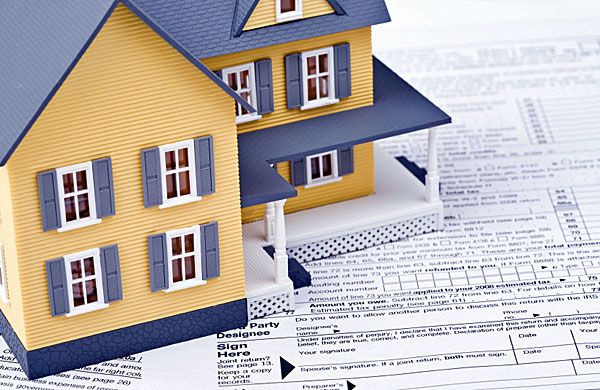
The short answer depends on your profit, not how the buyer pays. Many sellers owe nothing. Others owe real money, especially if the house was not their main home.
So, do you pay taxes on a cash home sale? You pay tax only on gain, which is the difference between what you receive and what you invested in the property. If there is no gain, or if the gain is excluded, you may owe nothing.
The key point is that the buyer’s payment method doesn’t change the tax rules. A house sold for cash is taxed the same way as one sold with a mortgage. That makes taxes on selling a house for cash a question about your gain and your situation.
How the IRS Looks at Your Sale
The IRS cares about two numbers. The first is the amount you realize from the sale: the price minus selling costs. The second is your basis, which is roughly what you paid plus certain improvements.
The IRS provides worksheets in Publication 523 to help you figure the adjusted basis of the home sold, the gain or loss on the sale, and the excluded gain. You can read the full rules in IRS Publication 523.
Here is a simple example. Say you bought a home for $150,000 and added $20,000 in improvements, such as a new roof and a remodeled kitchen. Your basis is $170,000.
Now say you sell for $230,000 and pay $5,000 in selling costs. Your amount realized is $225,000. Your gain is $55,000.
That example shows why records matter. Every documented improvement dollar lowers your gain. When you plan taxes on selling a house for cash, start by gathering your original closing papers and receipts for improvements.
The Home Sale Exclusion: Your Biggest Tax Break
For most owners, one rule does most of the work. If you have a capital gain from selling your main home, you may exclude up to $250,000 of that gain, or up to $500,000 if you file a joint return with your spouse.
That means many sellers owe no federal tax. In the example above, a $55,000 gain would fall well inside the exclusion.
To qualify, you must meet ownership and use tests. You must have owned and used the home as your main home for at least two years out of the five years before the sale. The two years do not have to be consecutive.
There is also a timing limit. You generally cannot use the exclusion if you excluded the gain from the sale of another home during the two years before this sale.
IRS Topic 701 explains these rules in simple terms. You can read it on the IRS Topic 701 page. This exclusion is why many owners pay little tax when they sell a house for cash.
When You Owe Capital Gains Tax on a Home Sale
Not every seller gets the full break. Capital gains tax on home sale proceeds applies when your gain exceeds the exclusion or you don’t qualify for it. Here are the most common situations:
#1 Your gain is larger than $250,000, or $500,000 for joint filers.
#2 You did not live in the home for two of the last five years.
#3 You used the exclusion on another home within the past two years.
#4 The property was a second home or investment, not your main home.
#5 The home was a rental for part of the time, which can limit the exclusion.
Taxpayers who own more than one home can exclude gain only on the sale of their main home and must pay tax on gain from selling any other home. That surprises many owners with a vacation property or an old house they moved out of.
If your gain is not fully excluded, the leftover amount is taxable. That is when capital gains tax rules for home sales matter most.
How Much Is the Tax? Short-Term vs Long-Term Rates
Rates depend on how long you owned the home. If you hold an asset for more than one year before you dispose of it, your capital gain is long-term. Most homeowners fall into this category.
Long-term capital gains are taxed at 0%, 15%, or 20%, based on your income and filing status. Lower- and middle-income earners often pay 15% or less.
Short-term gains are different. Short-term gains come from assets held one year or less and are taxed at ordinary income rates. That can be much higher, up to 37% federally.
Higher earners may also face an extra tax. You may owe a 3.8% net investment income tax if your income is above certain thresholds. Thresholds change, so check current figures with the IRS or a tax professional.
For flippers and quick sellers, this matters a lot. If you owned the house for less than a year, taxes on a cash sale can be far higher than for long-term owners.
State Income Tax on Your Gain
Federal tax is only part of the picture. The state also taxes any gains not excluded. Without a qualifying exemption, you pay the state’s flat income tax rate of 4.95 percent on capital gains, regardless of your income level.
The state’s rules generally follow the federal treatment of the exclusion, so the state usually doesn’t tax a gain you exclude federally. Confirm this with your preparer.
Here is why that matters. A taxable gain of $50,000 could create about $2,475 in state tax, on top of federal tax. Planning for both gives you a realistic picture of the taxes you’ll pay when you sell a house for cash.
Transfer Taxes: A Cost Almost Every Seller Pays

Transfer taxes are different from income taxes. You pay them because the property changes hands, even if you have no gain.
The state transfer tax is $0.50 per $500 of value, and the county transfer tax is $0.25 per $500. In most cases, the seller customarily pays both.
On a $200,000 sale, that works out to about $200 for the state and $100 for the county. That is $300 in total.
Local governments can add more. Municipal transfer taxes vary and can be much higher than the state and county amounts. The City of Chicago has its own higher rate, while many south suburbs have different or no local transfer tax. Ask the title company to confirm your village’s rules.
Transfer taxes are a closing cost, not an income tax. Our guides on closing costs when selling a house and who pays closing costs show how they fit into your total.
Form 1099-S and What You Must Report
Even if you owe nothing, you may still have paperwork. If you receive Form 1099-S, you must report the sale of the home even if the gain is excludable.
The title company usually files this form. Form 1099-S reports the gross sale price, not your profit. That number can look scary, so do not panic when it arrives.
When no form is issued, the rules are simpler. Homeowners who exclude all gain don’t need to report the sale on their tax return unless they receive a Form 1099-S.
If you must report, you use Schedule D and Form 8949. A preparer can handle this in minutes if your records are organized. Reporting rules are central to understanding taxes on selling a house for cash.
What If You Sell at a Loss?
Selling for less than you paid is common when you cash out a distressed home. Unfortunately, the tax code is not kind here.
Losses from selling personal-use property, such as your home, are not deductible. That means a loss on your main home does not reduce your other taxes.
The upside is simple. If you sell at a loss, you also owe no capital gains tax. You just cannot use the loss as a deduction.
If you owe more than the home is worth, our guide on how to sell an underwater house explains your options. You may also want to read about a short sale, because forgiven debt has its own tax rules.
Inherited Houses and Taxes
Inherited property gets special treatment. The basis in inherited property is generally its fair market value on the date of the person’s death. This is often called a stepped-up basis.
That can wipe out most of the gain. If the house was worth $200,000 at death and you sell for $205,000 soon after, your gain is only $5,000.
There is another benefit. When you sell inherited property, the gain or loss is long-term regardless of how long you held it. That means the lower long-term rates apply.
Documentation matters. A date-of-death appraisal is the best proof of value. Details appear in IRS Publication 551.
If you inherited a home, start with our page on how to sell an inherited house. Our guide on selling an inherited house without probate covers the legal side. Inherited sales are often the best case for low taxes on selling a house for cash.
Rental Properties and Second Homes
Investment property is taxed more heavily. The home sale exclusion does not apply to a house that was never your main home. The full gain is generally taxable.
Depreciation adds another layer. The law allows an annual depreciation deduction on rental property, and you must reduce the property’s basis by that amount. That raises your gain when you sell.
The gain attributable to depreciation may be taxed at up to 25 percent. Many landlords overlook this until the closing statement arrives.
If you are selling a rental, read our guides on selling a rental property with tenants and selling a rental with tenants in it. Tax planning with a professional is wise before you accept any offer.
Foreclosure, Short Sales, and Forgiven Debt
If you sell to avoid foreclosure, taxes can get tricky. In some cases, forgiven debt may count as income. The rules depend on how you resolve the debt.
Foreclosures, deeds in lieu, and abandonments trigger Form 1099-A or 1099-C instead of Form 1099-S. That signals different tax treatment.
If you are facing foreclosure, see our page on how to sell a house in foreclosure. A cash sale that pays off the loan usually avoids forgiven debt, but confirm with a tax professional.
Distressed sellers often have the most to gain from tax advice. It can save more than the advice costs.
Property Taxes Are a Separate Matter
Do not confuse property taxes with taxes on the sale. Property taxes are bills you owe the county, and you settle them at closing.
At closing, the seller credits the buyer for the seller’s share of the unpaid current-year tax, and in Cook County the calculation uses 110 percent of the prior year’s bill. That can mean a real credit on your closing statement.
Our guide on property taxes when selling a house walks through the math. Include it when you estimate your net proceeds.
Does a Cash Buyer Pay the Tax for You?
No. A cash buyer pays you the agreed price, and you handle your own income taxes. The buyer does not withhold or pay your capital gains.
The title company handles transfer taxes and prorations at closing. You settle the rest on your tax return.
That is why it helps to know your numbers early. When you compare offers, use our guide on how a cash offer is calculated to see where the money goes.
Cash Sale vs Traditional Sale: Is the Tax Different?
The tax rules are the same. A cash sale and a traditional sale both create gain or loss in the same way. What changes is your net, because costs differ.
In a traditional sale, you pay agent commissions, repair costs, and carrying costs while you wait. Those reduce your proceeds and also lower your gain. In a cash sale, you often skip most of them.
So the real comparison is your net after all costs, not tax rates. Read our breakdown of cash buyer vs. realtor and the pros and cons of selling a house for cash.
The financial benefits of selling as-is also deserve a look. A lower price with no repairs can leave you ahead. Taxes on selling a house for cash are only one piece of that picture.
How to Estimate Your Tax Before You Sell

You can get a rough idea of your tax bill in a few steps. Here is a simple way to start:
#1 Find your purchase price and the closing costs you paid when you bought.
#2 Add up major improvements, such as a new roof, addition, or remodel.
#3 Subtract that basis from your expected net sale price.
#4 Check whether you meet the two-out-of-five-year ownership and use tests.
#5 Compare your gain to the $250,000 or $500,000 exclusion.
#6 Add state income tax and transfer taxes to your estimate.
#7 Review the result with a tax professional before you accept an offer.
This process takes an hour or two, and it removes most surprises. It also turns the worry of paying taxes on a cash sale into a number.
Records to Keep
Good records make everything easier. Gather these documents before you sell:
#1 Your original closing statement from when you bought the home.
#2 Receipts for major improvements and repairs that add value.
#3 Your final closing statement from the sale.
#4 Any Form 1099-S you receive.
#5 Proof of how long you lived in the home, such as mail or tax returns.
Our checklist of documents you need to sell a house covers the rest. Keep your tax records for as long as your tax professional recommends.
Common Tax Mistakes Sellers Make
A few mistakes cause most of the problems. Watch out for these:
#1 Assuming a cash sale is tax-free. It is not automatic.
#2 Forgetting about improvements that raise your basis.
#3 Ignoring the two-year rule on using the exclusion.
#4 Not reporting the sale after receiving Form 1099-S.
#5 Overlooking depreciation on a former rental.
#6 Waiting until tax season to ask questions.
Most of these are easy to avoid with a little planning. A short call with a preparer before closing can prevent a costly mistake.
When to Talk to a Tax Professional
Many sellers do not need much help. If you lived in the home for years and your gain is well under the exclusion, your situation is simple.
Get advice if you have a large gain, a rental history, an inherited property, a recent divorce, or forgiven debt. Also ask for help if you plan to buy another home soon.
A professional can check state rules and your full income picture. That is worth the fee when thousands of dollars are at stake.
If you want a clear view of your options before you decide, our guide on how to verify a local home buyer helps you choose a trustworthy buyer. A good buyer will give you clear numbers and enough time to review them.
Final Thoughts on Taxes on Selling a House for Cash
Taxes on selling a house for cash follow the same rules as any other sale. What you owe depends on your gain, how long you owned the home, and whether it was your main residence. For many Chicago Southland owners, the home sale exclusion means little or no federal tax.
Still, transfer taxes, state income tax, and reporting rules can apply. Know your basis, keep your records, and plan before you sign. That turns surprises into simple line items.
If you are weighing a sale, you can reach out to Sell To Dynasty for a clear, no-pressure conversation. We serve homeowners across Chicago Southland and will explain every number in your offer. Your tax professional can then help you plan the rest.