
If you need to sell a house with outdated plumbing, you are not alone. Many homes in Chicago Southland were built decades ago. Many still have their original pipes, wiring, and electrical panels.
The worry is real. Old systems make buyers, lenders, and insurance companies nervous. But you can sell a house with outdated plumbing without opening a single wall.
This guide explains what counts as outdated, what you must tell buyers, and what repairs involve. It also covers the four main ways to sell. It uses plain language so you can decide with confidence.
Yes, You Can Sell a House With Outdated Plumbing
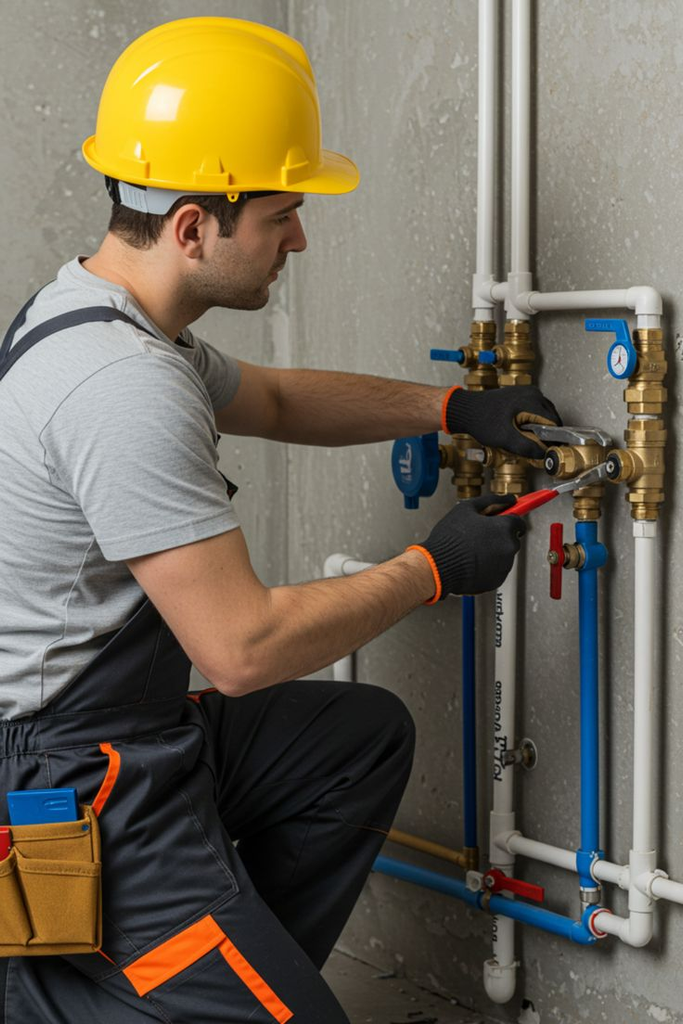
Can you sell a house with old plumbing? Yes. No rule says a home needs modern pipes to be sold. The same is true for old wiring and old electrical panels.
What changes is how hard the sale is. When you sell a house with outdated plumbing on the open market, the buyer’s inspector, lender, and insurance company all get a say. Any one of them can slow the deal or end it.
A direct sale to a cash buyer skips most of those hurdles. That is why many owners with aging systems look at that route first. We explain how it works later in this guide.
One rule applies no matter how you sell. You must be honest about problems you know about. Our guide on what selling as is really means covers the details.
What Counts as Outdated Plumbing
Old does not always mean bad. Plumbing is outdated when the material is known to corrode, leak, or raise health concerns. These are the types that come up most in older homes.
Galvanized Steel Pipes
Galvanized pipes are steel pipes coated with zinc. Many homes built before about 1960 have them. Over time, they rust from the inside, which shrinks the opening and cuts water flow.
Estimates of their lifespan run from about 40 to 100 years, depending on who you ask. Weak water pressure in an older home often points to galvanized pipe. It is one of the most common reasons owners ask how to sell a house with outdated plumbing.
Polybutylene Pipes
Polybutylene is a gray plastic pipe that was common in homes built roughly from the late 1970s to the mid-1990s. Many buyers treat it as a risk, and some insurers add conditions or higher costs when they see it.
If you need to sell a house with outdated plumbing, including polybutylene, expect questions about insurance early in the process.
Lead Pipes and Lead Service Lines
Lead is the most serious concern. Congress banned new lead service lines in 1986, but most lines installed before then were never removed. Homes built before 1986 are more likely to have them.
State law now pushes water suppliers to find and replace these lines. The Lead Service Line Replacement and Notification Act took effect in January 2022. The state environmental agency’s lead service line page explains the program.
A pre-1986 home can complicate any plan to sell a house with outdated plumbing, so find out what your service line is made of. Your water provider may have records.
Old Drain and Sewer Lines
Plumbing isn’t just the pipes that bring water in. Older drain and sewer lines can crack or sag. Tree roots can also grow into them and cause blockages.
A camera inspection of the sewer line is the usual way to find out what is going on underground.
What Counts as Outdated Electrical
The same idea applies to wiring. An electrical system becomes outdated when its materials or equipment no longer match how a modern household uses power. If you sell a house with outdated plumbing and old wiring together, which is common, buyers will notice both. These are the usual trouble spots.
Knob-and-Tube Wiring
Knob-and-tube wiring was common in homes built from the 1880s into the 1940s. It uses single copper wires held in place by ceramic knobs and tubes. It was designed for much lighter electrical use than a home has today.
It is not automatically dangerous when it is in good shape. Still, insurers often limit coverage or charge more for it. It is also a common reason buyers ask for a lower price.
Aluminum Wiring
From about 1965 to 1973, builders sometimes used aluminum instead of copper for branch circuit wiring. A survey done for the Consumer Product Safety Commission found that homes wired this way before 1972 were far more likely to have problem connections. The CPSC publication on aluminum wiring puts the figure at 55 times more likely than copper-wired homes.
That does not mean every aluminum-wired home is unsafe. It does mean buyers, inspectors, and insurers pay close attention to it.
Fuse Boxes and Problem Panels
Fuse boxes are a common red flag. So are breaker panels from certain brands, such as Federal Pacific and Zinsco. Home inspectors flag them, and many lenders and insurers do too.
A panel that cannot handle modern loads is also a practical problem for any new owner who wants to add an appliance or a charger.
Ungrounded Outlets and Missing Safety Protection
Two-prong outlets, missing ground wires, and a lack of GFCI protection near water are also common in older homes. Each one is a smaller issue on its own.
Together, they tell a buyer that the whole system is due for an upgrade.
How Old Systems Affect a Regular Listing
When you list with an agent, four checkpoints decide whether the sale closes. Old plumbing or wiring can trip any of them.
#1 The buyer’s inspection. Inspectors write down old pipes, old wiring, and old panels. Buyers then ask for repairs, credits, or a lower price.
#2 The appraisal. If the buyer uses a loan, an appraiser reviews the home’s condition. Safety items, such as exposed wiring, can be flagged.
#3 The lender. If the appraisal flags a safety problem, the lender may refuse to fund the loan until the work is done.
#4 Insurance. A financed buyer needs homeowners insurance to close. Some insurers decline or add conditions for homes with knob-and-tube wiring, aluminum wiring, or certain panels.
So can a buyer get a mortgage on a house with outdated electrical? Often yes, but the loan may depend on a fix. That is the biggest risk when you sell a house with outdated plumbing through a traditional listing.
Deals can fall apart late, after your home has sat off the market for weeks. Our guide to cash buyers vs realtors for outdated homes compares both routes side by side.
Does Outdated Plumbing Lower Your Home’s Value?
Usually it does, but not by a fixed amount. Buyers subtract the likely cost of the work. They also add a cushion for the hassle and the unknown.
That cushion matters most. A buyer who cannot see behind the walls tends to assume the worst. A clear inspection report or a plumber’s written opinion can shrink that fear.
It is also why how a cash offer is calculated starts with the repairs a buyer must take on. If you plan to sell a house with outdated plumbing, expect every buyer to price the repair in. Our post on selling a house with hidden problems shows why surprises cost more than known issues.
What You Have to Tell Buyers
Do you have to disclose old plumbing when selling a house? In most cases, yes, if you know about a material problem. State law requires sellers of most residential property to complete a disclosure report.
Under the Residential Real Property Disclosure Act, the seller discloses material defects of which the seller has actual knowledge. The seller is not required to launch an investigation to find new ones.
The official disclosure form asks directly whether you are aware of material defects in the electrical system and the plumbing system. It also states that the report does not limit the right to sell in “as is” condition.
A “material defect” means a condition that would seriously hurt the home’s value, or the health or safety of future occupants. The form treats a problem differently if you reasonably believe you corrected it.
The report goes to the buyer before the contract is signed. You also have a duty to update it before closing if something changes.
In plain terms, if you know your galvanized pipes leak or your panel trips, write it down. Whether you sell a house with outdated plumbing to a retail buyer or a cash buyer, hiding a known problem is the real risk. Sell To Dynasty is not a law firm, so ask a real estate attorney which rules apply to your sale.
Fix It First or Sell As-Is?
Both choices can be right. The best one depends on your money, your timeline, and how bad the systems are.
Replumbing or rewiring usually means opening walls, hiring licensed trades, pulling permits, and living through the work. Costs depend on house size and the type of pipe or wire. Quotes vary widely, so get several in writing before you decide.
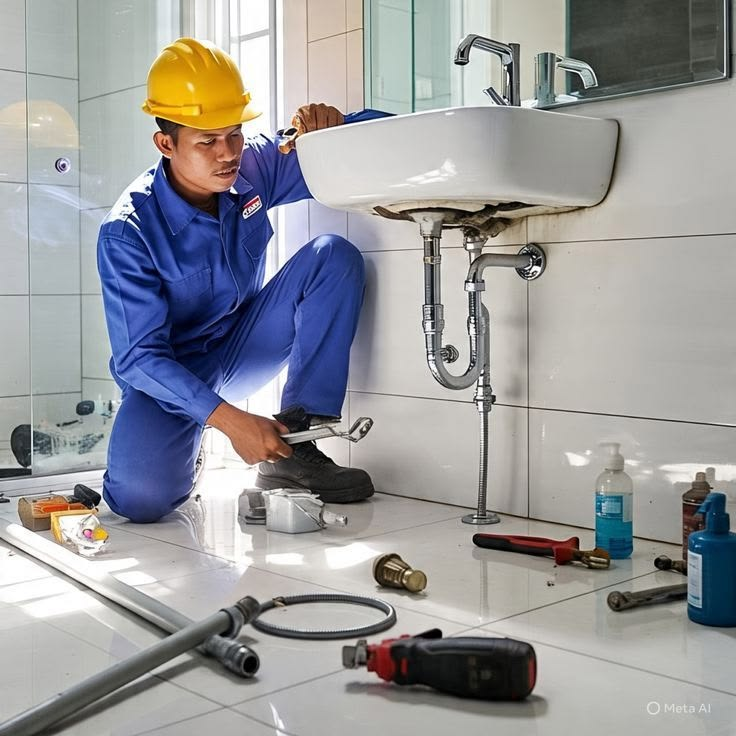
A pre-listing inspection can help you choose. Redfin’s guide to selling a house in poor condition explains that the real value is the information. It prepares you for what buyers will ask and offer.
Ask yourself these questions before you spend money:
#1 Will the repair raise my price by more than it costs? Many partial updates do not.
#2 Can I pay for it now and wait for the sale? Repairs use up cash before you see any proceeds.
#3 What if the contractor finds more? Opening a wall often reveals the next problem, including past work done without permits. See our guide on how to sell a house with unpermitted work.
#4 How long can I carry the house? Mortgage, taxes, and utilities keep running during repairs and listing time.
For many owners, the numbers say it is smarter to sell a house with outdated plumbing as is than to fund a rebuild first. Our posts on fixing up a house or selling as is and selling as-is vs. making repairs go deeper.
Four Ways to Sell a House With Old Pipes and Wiring
#1 Repair everything, then list. You get the widest buyer pool and a stronger price. You also pay up front and wait through the work. This fits owners with cash, time, and a home in otherwise good shape.
#2 List as-is with a price cut or credit. You skip the work and let buyers factor it in. The risk is the financing and insurance problems described above.
#3 Fix only the safety items. A licensed electrician replacing a bad panel, or a plumber stopping active leaks, may calm lenders and insurers for less than a full rebuild. Ask what the buyer’s lender will accept.
#4 Sell for cash as-is. A cash buyer takes the home as-is and handles repairs after closing. You trade some price for speed, certainty, and no prep.
None of these is wrong. The right pick depends on your goals. If you want to sell a house with outdated plumbing quickly and keep the process simple, option #4 deserves a close look.
How a Cash Sale Works With Old Pipes and Wiring
A cash buyer buys the home in its current condition. There is no lender, so there is no lender appraisal and no loan to fall through. The buyer builds the repair cost into the offer.
That means the offer will be below what a fully updated home could bring. Be honest with yourself about that. Compare it with repair costs, months of carrying costs, and what it costs to list a house traditionally.
When you sell a house with outdated plumbing for cash, the repair list stops being your problem. A typical cash sale follows four steps.
#1 Share the basics. Tell the buyer about the home, including what you know about the pipes, wiring, and panel.
#2 Do a walk-through. The buyer looks at the property. Our guide to the home buyer walkthrough explains what to expect.
#3 Review the offer. The offer reflects the home’s condition. Learn how cash home buyers determine offers and how to compare cash offers before you decide.
#4 Pick a closing date. You choose a date that fits your life, within reason, and close at a title company.
Worried about scams? That is a smart concern. Read how to verify a local home buyer before you sign anything.
How to Get a Better Offer Without Fixing Anything
You do not need to renovate to improve your result. Preparation reduces the buyer’s fear of the unknown, and that fear is what pushes offers down.
#1 Write down what you know. Note pipe types, the panel brand, when updates were done, and past repairs. Keep any receipts.
#2 Take clear photos. Shoot the electrical panel, the water heater, visible pipes, and any active leaks or stains.
#3 Get a professional opinion. A short written note from a plumber or electrician, or a sewer camera report, replaces guesses with facts.
#4 Empty and open the house. Easy access lets a buyer see everything. Our guide on how to clean out a house before selling helps if the house is full.
#5 Gather your paperwork. Deeds, payoff information, and permits speed up closing. See what documents you need to sell a house.
Even small steps help when you sell a house with outdated plumbing, because clear facts beat open questions.
Special Situations: Inherited Homes and Rentals
Old systems are very common in inherited homes. A house that stayed in one family for decades often has everything original. If you are handling an estate, our page on how to sell an inherited house in Chicago Southland covers your options.
Landlords face the same issue. Aging systems cause repair calls, and repairs get harder with tenants living there. Our page on how to sell a tenant-occupied rental in Chicago Southland explains the path.
In both cases, you can sell a house with outdated plumbing without waiting for repairs. You also avoid asking family members or tenants to live through construction.
Mistakes to Avoid
#1 Hiding a known problem. It can turn a normal sale into a legal fight. Disclose what you know.
#2 Patching it yourself. The CPSC has told homeowners with aluminum wiring to call an experienced electrician and not attempt repairs themselves. The same caution applies to most electrical and major plumbing work.
#3 Covering up stains. Fresh paint over a water stain makes buyers more suspicious, not less.
#4 Skipping tax advice. Repair and improvement costs can be treated differently when you calculate your gain. IRS Publication 523 explains how gain on a home sale works, and a tax professional can apply it to you.
#5 Waiting too long. Plumbing and wiring don’t improve with age, and small leaks tend to grow. Read our guide on waiting too long to sell a house.
Avoiding these mistakes makes it easier to sell a house with outdated plumbing at a fair price.
Talk to Sell To Dynasty Before You Spend a Dollar
Sell To Dynasty buys homes across Chicago Southland, including older houses with aging pipes, wiring, and panels. You do not need to repair, clean, or stage anything first.
If you want to sell a house with outdated plumbing and keep the process simple, reach out through our website to talk through your options. You can also browse our blog for more guides.
Frequently Asked Questions
#1. Can you sell a house with old plumbing?
Yes. You can sell a house with outdated plumbing in Chicago Southland, and no law says you must replace the pipes first. What changes is who your buyer is. A buyer using a mortgage may face inspection, appraisal, and insurance hurdles, so the sale can take longer or fall through.
A cash buyer purchases the home as-is and handles the work later. In every case, you must be honest about problems you know about. Disclosure protects you, and it keeps the sale on solid ground.
#2. Do I have to fix outdated plumbing or wiring before I sell?
No. State disclosure law requires you to tell the buyer what you know, not to force repairs. That said, a buyer’s lender or insurer may require certain fixes before a financed deal can close, especially safety items.
Some towns may also have their own inspection or occupancy rules at resale, so check with your village or city hall. If you want to sell a house with outdated plumbing without repairs, a cash sale removes the lender and insurer from the equation. Read our guide on selling a house fast without repairs for more.
#3. Can a buyer get a mortgage on a house with outdated electrical or plumbing?
Often yes, but it depends on the problem. A dated but working system may pass without trouble. A safety issue, such as exposed wiring or a flagged panel, can lead the lender to hold back funding until the work is done. Loans with stricter condition rules can make this harder.

That uncertainty is why many sellers with old systems prefer a buyer who does not need a loan. If your buyer is financed, ask early what the lender will require so there are no surprises near closing.
#4. Will insurance cover a house with old wiring or old pipes?
It depends on the insurer and the system. Some companies decline or add conditions for homes with knob-and-tube wiring, aluminum wiring, fuse boxes, certain panel brands, or polybutylene pipes.
Others will cover the home at a higher price or after a repair. A financed buyer needs coverage to close, so insurance questions can end a deal late. If you are listing the home, expect buyers to ask. If you are selling for cash, this issue usually lands on the buyer after closing instead of in your way.
#5. Is it worth replacing galvanized pipes before selling?
Sometimes, but not always. Replacing them can remove a major objection and widen your buyer pool. It also costs real money, takes time, and often involves opening walls and pulling permits.
You may not get all of that money back in a higher price. Get written quotes and compare them with a likely price cut or a cash offer. For many owners, it makes more sense to sell a house with outdated plumbing as is and let the buyer handle the work. Our guide on the financial benefits of selling as is walks through the math.
#6. What if I do not know what kind of pipes or wiring my house has?
That is common, and you are only asked to disclose what you actually know. Start with the home’s age, since that hints at the materials. A licensed plumber or electrician can usually identify pipe type, wiring type, and the panel brand in a short visit.
For lead, check with your water provider about the service line. If you still do not know, say so honestly on the disclosure form instead of guessing. Clear photos of the panel and visible pipes also help any buyer understand the home.
#7. What happens if a buyer finds a problem I did not disclose?
If you knew about a material problem and left it off the report, the buyer may seek damages after closing. That can mean legal costs far beyond what any repair would have cost. If you honestly did not know, the law does not require you to investigate.
When in doubt, disclose and ask a real estate attorney how the rules apply to your situation. Sell To Dynasty is not a law firm, and this is general information, not legal advice.
#8. How fast can I close on a house with outdated plumbing or wiring?
A cash sale can often close faster than a financed one because there is no lender, appraisal, or loan approval. The real timeline depends on your title work, any mortgage payoff, and your desired closing date. When you sell a house with outdated plumbing for cash, the old pipes do not hold up the schedule. Our guide on how long selling a house for cash takes breaks down each step.
#9. Will a cash buyer pay full market value for a house with old systems?
No, and a fair buyer will tell you that up front. The offer reflects the repairs, the risk, and the time the buyer takes on. You, in turn, skip repair costs, listing costs, carrying costs, and the chance of a failed deal. To judge an offer, compare it with what you would net after fixing and listing the home. Read what counts as a lowball offer and how to tell a good cash offer from a bad one before you decide.