
Most sellers start with a single number in mind, the price they hope to sell for. What rarely gets discussed upfront is the cost of listing a house traditionally, the long list of fees, repairs, and carrying expenses that quietly chip away at that number before a dollar ever reaches your pocket.
This guide breaks down the actual cost of listing a house traditionally, category by category, using real industry data instead of vague estimates. By the end, you will have a clear picture of what a traditional sale really costs, not just the number on the listing sheet.
Why the Cost of Listing a House Traditionally Is Rarely Discussed Upfront

Agents are not hiding these costs on purpose, but the full cost of listing a house traditionally tends to get spread across so many separate line items that sellers rarely see it totaled in one place until closing day. By then, decisions have already been made and there is little room to adjust.
Understanding the cost of listing a house traditionally before you commit to a listing agreement puts you in a much stronger position. You can compare it honestly against alternatives, negotiate more confidently, and avoid the sticker shock that catches so many sellers off guard at the closing table.
Category One: Real Estate Agent Commissions
The largest single expense in the cost of listing a house traditionally is almost always commission. In a typical transaction, the listing agent and buyer’s agent split a total commission, and as of 2026 that combined figure generally sits around 5.5 to 5.7 percent of the sale price, following changes to how commissions are negotiated after the 2024 National Association of Realtors settlement.
On a $300,000 home, that works out to roughly $16,500 to $17,100 before any other expense is factored in. This single line item is often the biggest reason the cost of listing a house traditionally comes as a shock, since it is calculated on the full sale price rather than on your net proceeds.
Category Two: Pre-Listing Repairs
Before a home even hits the market, most agents recommend addressing visible issues that could scare off buyers or tank an appraisal. This is where the cost of listing a house traditionally starts adding up in ways that are harder to predict, since repair needs vary enormously from house to house.
A property with an aging roof, outdated electrical, or a tired kitchen can require thousands of dollars in repairs before it is considered market-ready. For a more detailed look at whether these repairs are worth making, this honest breakdown of fixing up your house before selling walks through when repair spending pays off and when it does not.
Category Three: Staging Costs
Staging has become close to standard practice in competitive markets, and it represents another real piece of the cost of listing a house traditionally. According to industry data, home sellers typically pay somewhere between $832 and $2,927 in home staging costs, with the average landing around $1,844 to $1,849 depending on the source.
For a vacant home, costs run higher because furniture and decor must be rented and arranged from scratch, sometimes reaching several thousand dollars for a full staging contract that often requires a minimum multi-month commitment.
Occupied homes tend to cost less since stagers can work with what is already there, but the cost of listing a house traditionally still climbs meaningfully once staging enters the picture.
Category Four: Professional Photography and Marketing
Most listing agents include photography in their commission, but sellers who want premium marketing, drone photography, virtual tours, or print materials often pay separately for these add-ons. While individually modest, these marketing costs are still part of the true cost of listing a house traditionally and rarely get mentioned until the agent presents a marketing plan.
Category Five: Closing Costs
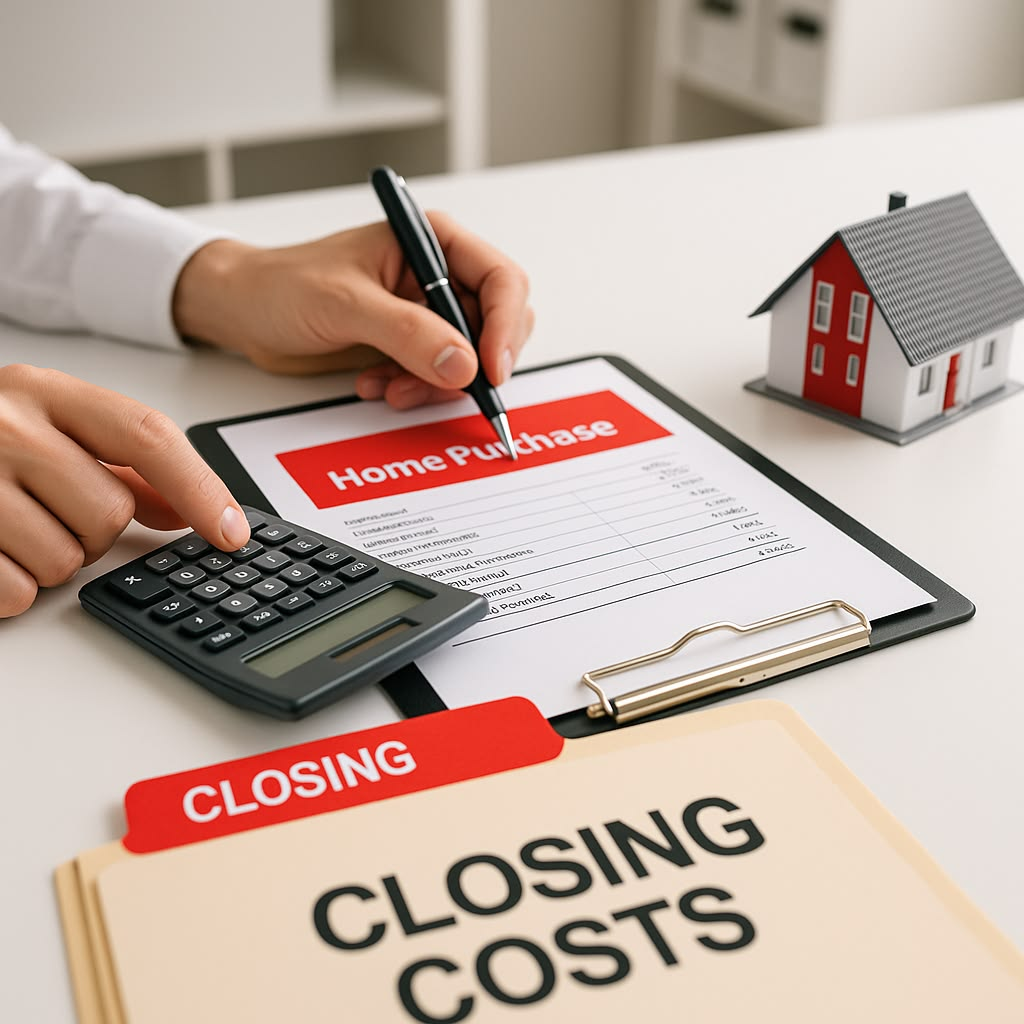
Beyond commission, sellers are responsible for a separate set of closing costs that make up a substantial part of the cost of listing a house traditionally. Industry data shows most home sellers end up paying between 6 percent and 10 percent of the sale price in total closing costs, including commissions, attorney fees, transfer taxes, and other fees, meaning a seller with a $500,000 home could pay tens of thousands of dollars in combined closing expenses.
These costs typically include the following.
#1. Transfer taxes. Depending on your state and local jurisdiction, transfer taxes can range from a few hundred dollars to two percent or more of the sale price. The average transfer tax nationally sits around $750, though this varies significantly by location.
#2. Title and escrow fees. Title search, title insurance, and escrow services typically run between 1 and 2 percent of the sale price, covering the work needed to confirm clear ownership and facilitate the transaction.
#3. Attorney fees. In states that require attorney involvement in closings, including Illinois, legal fees add another line item to the cost of listing a house traditionally, typically ranging from several hundred to a few thousand dollars depending on complexity.
#4. Prorated property taxes and HOA dues. Sellers are usually responsible for their share of property taxes and any HOA dues up to the closing date, which get settled at closing rather than paid separately beforehand.
Category Six: Holding Costs While the Home Sits on the Market
This is the piece of the cost of listing a house traditionally that catches the most sellers off guard, because it accumulates silently every month the home does not sell. Mortgage payments, property taxes, homeowners insurance, utilities, and basic upkeep all continue whether or not a buyer has come along.
For a vacant property, these holding costs can run into thousands of dollars per month once mortgage, lawn care, HOA dues, utilities, and insurance are added together. The longer a home sits, the more this category compounds, and it rarely appears in the initial conversation about the cost of listing a house traditionally, even though it can rival commission costs on a slow-moving sale.
Category Seven: Price Reductions and Negotiated Concessions
Homes that do not sell quickly often require price reductions to attract renewed interest, and market data suggests homes can lose meaningful value the longer they sit unsold, with the first markdown commonly running 3 to 5 percent of the list price. On a $300,000 home, that alone can mean a $9,000 to $15,000 reduction, layered on top of every other expense already discussed.
Buyer concessions add another variable to the cost of listing a house traditionally. It is common for sellers to agree to cover a portion of the buyer’s closing costs, contribute toward repairs identified during inspection, or offer a credit in lieu of completing repairs themselves, all of which reduce net proceeds further.
Category Eight: The Cost of Time
Time itself carries a cost that rarely gets counted alongside the more obvious line items in the cost of listing a house traditionally. A traditional sale often takes two to four months from listing to closing, sometimes longer if a deal falls through and the home has to be relisted.
Every week on the market means more showings to coordinate, more disruption to daily life, and more uncertainty about when the sale will actually close. For sellers on any kind of timeline, whether due to a job relocation, a family situation, or simply wanting to move on, this delay is a real cost even if it does not show up as a line item on a closing statement. A detailed comparison of cash buyer vs. realtor timelines breaks down exactly how much faster an alternative path can move.
Adding It All Up: What the Cost of Listing a House Traditionally Really Looks Like
When every category above is combined, commission, repairs, staging, closing costs, holding costs, and potential price reductions, the true cost of listing a house traditionally on a $300,000 home can easily reach $35,000 to $50,000 or more once everything is accounted for.
That is a substantial gap between the number on the listing sheet and what actually lands in a seller’s pocket.
This does not mean a traditional sale is the wrong choice for everyone. For homes in excellent condition in strong markets, the eventual sale price can still outpace these costs. But understanding the full cost of listing a house traditionally before committing gives you the information needed to make that comparison honestly instead of assuming a higher listing price automatically means more money in hand.
How This Compares to a Direct Cash Sale
Once you see the full cost of listing a house traditionally laid out, it becomes easier to understand why a growing number of sellers consider a direct cash sale instead, even when they are not under financial pressure to do so. A cash sale generally eliminates commission, staging costs, and holding costs tied to a lengthy market period, since there is no listing period to wait through.
A closer look at reasons homeowners choose to sell a house for cash covers this comparison in more depth, including situations where the traditional route still makes sense. The right choice depends heavily on your home’s condition, your timeline, and how much of the cost of listing a house traditionally you are willing to absorb in exchange for a potentially higher headline sale price.

Questions to Ask Before You Commit to a Traditional Listing
Before signing a listing agreement, it is worth getting specific answers about the cost of listing a house traditionally in your exact situation.
#1. What is your full commission structure, and is any part negotiable?
#2. Based on comparable homes, what repairs or staging would you actually recommend for my property?
#3. What is the average time on market for homes like mine right now, and what does that mean for my holding costs?
#4. What percentage of your recent listings required a price reduction, and by how much?
#5. What closing costs, beyond commission, should I expect to pay in this specific transaction?
A good agent will answer these directly rather than deflecting, and the answers will give you a realistic picture of the cost of listing a house traditionally for your specific property rather than a national average.
Making an Informed Decision
The cost of listing a house traditionally is not a reason to avoid a traditional sale altogether, but it is a number every seller deserves to see clearly before making a decision. Too many sellers only discover the full picture at closing, when it is far too late to choose a different path.
If you want to compare the real cost of listing a house traditionally against a transparent, no-obligation cash offer, Dynasty Buys Homes walks through exactly how the numbers work for your specific property, with no commission, no staging costs, and no surprise deductions along the way. Learn more about how the process works or request a free cash offer to see how your numbers compare side by side.