
You filed the eviction. The tenant isn’t paying, isn’t leaving, or both. The case is crawling through court, and you are done. Now you wonder if you can sell a rental during an eviction and move on.
The short answer is yes. You can sell a rental during an eviction, and landlords do it. A pending case does not freeze your ownership or stop you from signing a sale contract.
But the sale gets more complicated, and mistakes can be costly. This guide explains how the court case and the sale interact, what buyers will ask, and which paths make sense. We write it for landlords across Chicago Southland.
The Short Answer: Yes, But It Is Not Simple
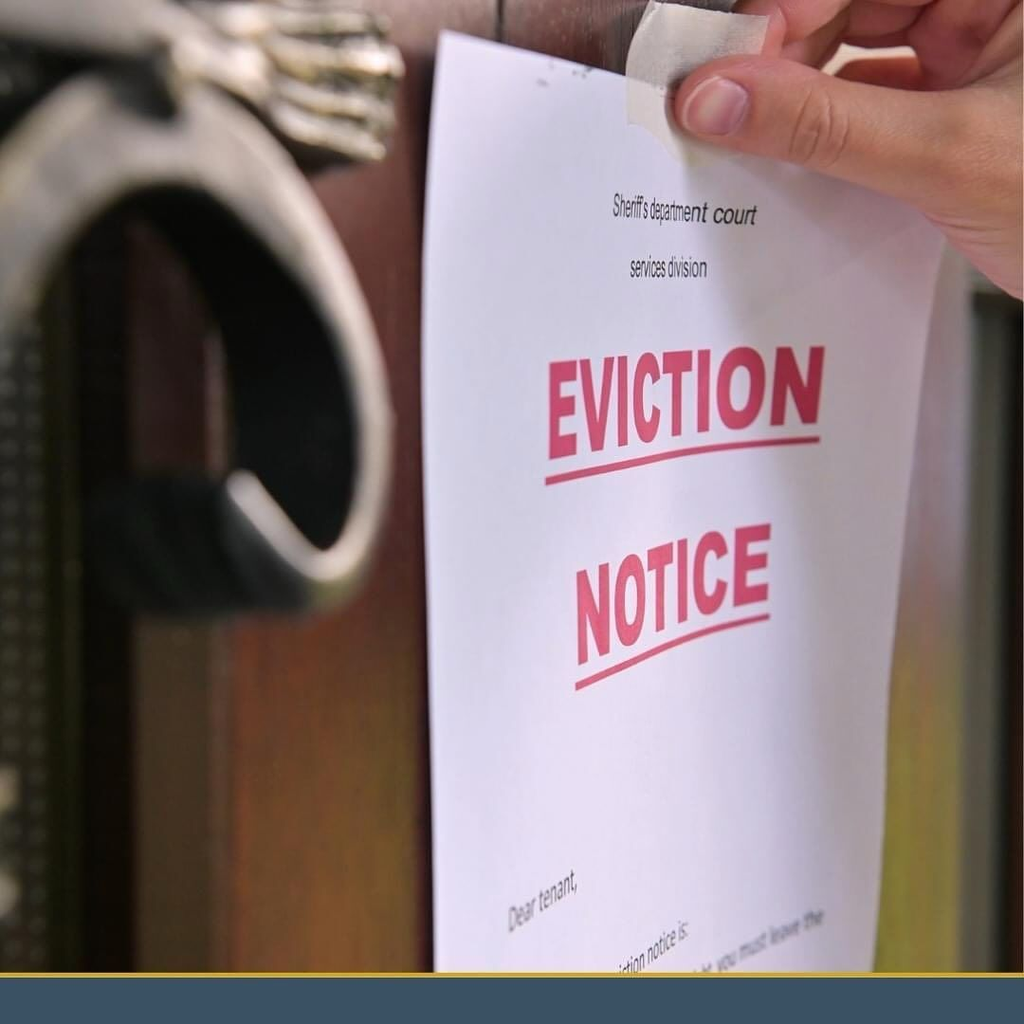
You still own the property while the case is pending. That means you have the legal right to sell it. No court rule says you must finish the eviction first.
The trouble is what happens to the case and the tenant. Your eviction lawsuit is in your name. If you transfer the property, the new owner steps into your position, and the case may need to be changed, refiled, or dropped.
That is why you should talk to a landlord-tenant attorney before you sign. The details depend on your county, your judge, and the stage of the case.
Here is the plain version. You can sell a rental during an eviction, but you need to plan for the tenant, the court, and the buyer all at once.
Why a Pending Eviction Makes Buyers Nervous
Most buyers do not want a fight inside the house they are buying. A tenant who refuses to leave means the buyer cannot move in, rent it, or fix it.
Buyers who use loans are even more cautious. Lenders and appraisers often need access, and many loan programs expect the property to be delivered in a certain condition.
Some also worry about the unknown. They do not know whether the tenant will damage the property, how long the case will drag, or whether the tenant has defenses that could win.
That is why the buyer pool shrinks when you sell a rental during an eviction. Fewer buyers mean fewer offers, which can mean a lower price.
Investors and cash buyers handle these situations more often. They understand the process, and many will take on the tenant and the court case themselves.
How an Eviction Works, in Plain Terms
You cannot decide the best move without knowing where you are in the process. Here is how eviction generally works in our area.
The state requires a written notice before most eviction cases. The type of notice depends on why you are evicting, and local rules may require additional notice. Suburban Cook County and some villages have their own ordinances, so check yours.
If the tenant does not pay or leave, you file a case in the circuit court. The tenant is served with a summons, and a court date is set.
At the hearing, the judge decides whether you get an order of possession. That order lets the sheriff remove the tenant after a short waiting period, called a stay.
Illinois Legal Aid Online explains that in the state, only the county sheriff can perform an eviction. That matters for you as a seller, because it means you cannot speed things up on your own.
Time is the big issue. Depending on the county and the facts of the case, it can take weeks or months. If the tenant raises defenses or requests more time, it can take longer.
What You Must Never Do
When a sale is on the line, some landlords get desperate. Do not make this mistake.
Never lock out a tenant, remove their belongings, shut off utilities, or take the door off. These are called self-help evictions, and they are illegal in the state.
The Illinois Attorney General’s landlord-tenant fact sheet also notes that the state’s Retaliatory Eviction Act protects tenants who complain to government authorities. Courts take retaliation claims seriously.
Illegal tactics can lead to lawsuits, damages, and dismissal of a case. They can also scare away buyers, who do not want to inherit your problems.
If you want to sell a rental during an eviction, do it the right way. A clean record helps you and the buyer.
What Happens to the Eviction Case If You Sell?
This is the question owners ask most. The answer depends on when you sell and how you structure the deal.
If the sale closes, you no longer own the property. You usually lose the right to evict because you are no longer the landlord.
The new owner can then start their own case or ask the court to take over yours, depending on the situation. That is a legal question for an attorney.
A buyer who wants a smooth start may ask you to finish the eviction first. Others may buy as is with the tenant in place and handle the rest themselves.
Some sellers work out a deal in which the sale closes, and the buyer takes over the process. Others pause the sale until possession is delivered.
Whichever way you go, put the plan in writing. Unclear promises lead to arguments, and arguments cost money at closing.
What About Back Rent and the Tenant’s Deposit?
Money questions are where deals get messy. Two issues come up in nearly every case.
The first is back rent. If your tenant owes you rent, that claim generally stays with you unless the contract says otherwise. Many sellers keep the right to collect unpaid rent, and some assign it to the buyer.
Be clear about this in the contract. A buyer should know whether they are getting that claim or leaving it with you.
The second is the security deposit. The tenant is owed their deposit, and the new owner may be responsible for it. Our post on security deposits when selling a rental property explains how deposits transfer at closing.
Rents and expenses are usually split at closing. The title company handles this, but you should review the numbers.
If you are not sure how this works, read our guide to working with a title company when selling a house. It helps to know the process before you sit down at the table.
What Happens to the Lease If You Sell?
A valid lease generally stays in place after a sale. The new owner becomes the landlord, and the tenant keeps their rights.
Our post on what happens to a lease when a house sells walks through this. A sale does not automatically end a lease.
Illinois Legal Aid Online also explains what happens when a building changes hands on its page about a building sold to a new landlord. It is written for tenants, so it shows you what the other side is reading.
If your tenant is month-to-month, the rules differ from a fixed lease. Read our post on month-to-month tenants versus lease tenants.
If you plan to end a tenancy, give proper written notice. Our guide to notice to tenants before selling a house covers the basics.
A pending eviction doesn’t make a sale easy, but it doesn’t erase the tenant’s rights either. Treat the tenant fairly and follow the process.
Your Four Main Choices
Most landlords land in one of four situations. Here is how each one works when you sell a rental during an eviction.
#1 Finish the eviction first, then sell. This gives you an empty or cleaner property, but it takes time, and rent and costs keep running.
#2 Sell with the case still pending. You accept a smaller buyer pool and likely a lower price, but you can move on sooner.
#3 Pay the tenant to leave. Some owners offer a payment to have the tenant move out quickly. We explain this in our post on cash for keys.
#4 Sell as is to a buyer who handles the tenant. This is common with cash buyers and investors.
None of these is right for everyone. The best choice depends on your cash, your timeline, and how bad the situation is.
Finishing the Eviction First: Pros and Cons
Many owners prefer to finish the case before they list. It is a cleaner path, but it is slower.
The upside is a better sale. An empty, cleaned property can attract more buyers, and you control the condition. You also remove the legal cloud over the sale.
The downside is time and money. You keep paying the mortgage, taxes, insurance, and utilities. You also lose rent while the case drags on.
There is a risk, too. Cases can be delayed by continuances, defenses, and settlements. You may think you are weeks away, only to find you are months away.
If you choose this route, keep your paperwork clean. Save every notice, payment record, and court document.
Our post on selling a house with a problem tenant offers more ideas for owners in this situation.
Selling With the Case Still Pending: Pros and Cons
Selling while the case is open gets you out faster. It is attractive for owners who are tired, short on cash, or facing other debts.
The main downside is price. Many buyers shy away from tenant problems, so offers tend to come in lower. You are trading price for speed and relief.
You also have to be honest about the situation. Never hide the eviction from a buyer. Hiding it can lead to broken deals and legal claims.
Share the case number, the notices you served, and the current status. Clear information builds trust, and serious buyers will ask for it anyway.
To understand the landscape, read our posts on selling a rental with tenants and cash offers for a house with tenants.
You can also visit our page on selling a tenant-occupied rental in Chicago Southland.
Who Buys a Rental With an Eviction Pending?
Not many buyers want this kind of deal, but some do. Here are the main types.
#1 Investors who know the eviction process and plan to handle it themselves.
#2 Cash home buyers who buy as-is and do not need loan approval.
#3 Neighbors or family who know the property and the situation.
#4 Landlords expanding their portfolios who can absorb the risk.
Traditional buyers using loans are the hardest to find. Their lenders usually want clear possession and a clean inspection.
That is why cash buyers show up so often in these sales. They can close quickly and skip lender delays. Our guide on how cash home buyers determine offers explains how they price risk.
You can also read how much cash home buyers pay for a plain breakdown of the discount.
How Buyers Price the Risk
A buyer who takes on an eviction takes on costs and unknowns. Their offer reflects that.
They think about legal fees, court costs, lost rent, and repairs after the tenant leaves. They also think about how long it could take.
They also look at the property itself. A tenant who hasn’t paid or has been in conflict may have left damage behind.
If you want to understand how the number gets built, read how a cash offer is calculated. It shows how repairs and risk turn into a price.
You can also negotiate. Our post on whether you can negotiate a cash offer shows where there is room to push.
Always compare at least two offers. A single offer is hard to judge, and you want to know if the price is fair.
Do the Paperwork Before You List
Good records make a big difference when you sell a rental during an eviction. Buyers want proof, and a messy file raises doubts.
Gather these items before you talk to anyone:
#1 The lease and any amendments.
#2 The written notices you served and proof of service.
#3 The court filings, case number, and next hearing date.
#4 A rent ledger showing what was paid and what is owed.
#5 The tenant’s security deposit amount and where it is held.
#6 Photos of the property’s current condition.
#7 Utility bills and any code notices from your village.
Organized records tell a buyer you ran things properly. They also help your attorney and the title company move faster.
If you are missing paperwork, our posts on the documents you need to sell a house provide a full checklist.
What an Attorney Can Do for You
A landlord-tenant attorney is worth the cost in this situation. They can tell you what to do with the case, the notices, and the contract.
They can review your eviction file for mistakes. A defective notice can force you to start over, which costs time and money.
They can also help structure the sale. For example, they can advise whether to finish the case, dismiss it, or hand it off to the buyer.
Ask the attorney how a sale will affect your case, how rent and deposits should be handled, and what the contract should say. Get answers before you sign.
This is not legal advice from us. It is a plain reminder that a small legal fee can prevent a very expensive mistake.
Taxes and Costs to Think About
Selling a rental has tax effects, and a rough situation does not erase them. You may owe tax on your gain, and depreciation can add to it.
The IRS explains rental income and expenses in Publication 527, Residential Rental Property. If you rented the property for years, it is worth a read.
Our post on capital gains tax on rental property explains how gains and depreciation work in plain language. We also cover the general picture of taxes on selling a house for cash.
Legal fees, court costs, and lost rent may be deductible as rental expenses. Ask your CPA how to treat them.
Closing costs also matter. Read our guide to closing costs when selling a house so you know what to expect.
We are not tax advisors. Talk to a CPA who handles rental sales before you finalize anything.
If the Property Is in Rough Shape
Eviction cases often end with damaged properties. Angry or departing tenants may leave trash, broken fixtures, and worse.
You have two choices. You can repair the damage before you sell, or you can sell as is and let the buyer price the work.
Our post on selling a house fast without repairs explains how as-is sales work. You can also read about deferred maintenance if the problems go back years.
If the property ends up empty, read our guide to cash home buyers for vacant houses. Empty buildings carry their own risks.
Document the property’s condition before and after the tenant leaves. Photos and notes protect you if a dispute comes up later.
How to Pick a Buyer You Can Trust
Owners in tough spots attract the wrong kind of buyer. Some make big promises and then lower the price at the last minute.
Check any buyer before you sign. Our guide to verifying a local home buyer shows you what to look for.
Ask for proof of funds, a clear contract, and a title company you can research. A real buyer will not rush you.
Be careful with wholesalers who do not plan to close themselves. Our post on cash buyers versus wholesalers explains the difference.
If anyone pressures you to sign today, slow down. Read our post on how to spot the warning signs of being pressured to sell a house fast.
A Step-by-Step Plan
Here is a simple plan you can follow. Work through it in order.
#1 Talk to a landlord-tenant attorney about your case and your options.
#2 Gather your lease, notices, court papers, and rent records.
#3 Check where the case stands and when the next hearing is.
#4 Decide whether to finish the case, pay the tenant to leave, or sell with the case open.
#5 Estimate your costs, including legal fees, taxes, and lost rent.
#6 Compare at least two offers or routes.
#7 Be honest with every buyer about the case and the tenant.
#8 Put the plan for the case, rent, and deposit in the contract.
#9 Check the buyer and the title company before you sign.
#10 Follow all notice rules, and never use self-help tactics.
This order makes it much easier to sell a rental during an eviction without legal trouble.
Frequently Asked Questions
Can I sell my rental property while an eviction case is pending?

Yes, you can. You still own the property until closing, and you have the right to sell it. A pending eviction does not block a sale or prevent you from signing a contract.
The challenge is what happens to the case and the tenant. After closing, the new owner is the landlord, so the eviction may need to be refiled, transferred, or dropped. That depends on the facts and the court.
Talk to a landlord-tenant attorney before you sign. They can tell you how to protect the case and how to write the contract.
Will the buyer have to continue the eviction?
It depends on the deal. Some buyers want you to finish the eviction before closing, so they receive the property empty. Others buy with the tenant in place and handle the situation themselves.
If the buyer takes over the process, they may have to start a new case in their own name. They also need to follow notice rules and address the tenant’s rights.
Make sure the contract says who is responsible for what. Unclear terms lead to disputes after closing.
Can I evict the tenant faster so I can sell?
Not by going around the court. In this state, only the sheriff can carry out an eviction, and the sheriff needs a judge’s order. Lockouts, utility shutoffs, and removing belongings are illegal.
You can speed things up legally by ensuring your notices are correct, filing on time, showing up to hearings, and cooperating with the court. Some landlords also offer a payment to get the tenant to move out sooner.
If you want to sell a rental during an eviction, protect your case. A mistake can force you to restart and lose time.
Does a pending eviction lower the sale price?
Often, yes. Fewer buyers want a property with a legal dispute, so you may get fewer offers. Buyers also factor in legal costs, lost rent, and possible damage.
The size of the discount depends on the property, the tenant, and the stage of the case. A property in good condition in a strong area may still draw decent offers.
Compare at least two offers, and ask each buyer to explain their number. Our post on what counts as a lowball offer can help you judge.
What happens to the tenant’s lease if I sell?
A valid lease generally continues after a sale. The new owner assumes the role of landlord and must honor the lease terms. The tenant keeps their rights until the lease ends or is lawfully terminated.
If the tenant is month-to-month, the rules for ending the tenancy are different. Written notice is usually required, and local ordinances in your village may add rules.
If you are not sure, check with an attorney or the Illinois Attorney General’s tenant resources. Do not guess when notices are involved.
What happens to the security deposit when I sell?
The tenant is still owed their deposit. In most sales, the deposit is either transferred to the new owner or credited to the buyer at closing, so the new owner can return it when the tenant moves out.
You should know the amount, where it is held, and any deductions you plan to make. Keep records of everything.
Our post on security deposits when selling a rental property explains how this works in more detail. Make sure the contract states who handles the deposit.
Who gets the unpaid rent if I sell during the case?
It depends on the contract. Unpaid rent is a claim against the tenant, and many sellers keep that right unless they agree to give it to the buyer.
Some contracts assign unpaid rent to the buyer, often as part of the price. Others leave it with the seller so the seller can continue the claim in court.
Spell this out in writing. If you want to sell a rental during an eviction, you should know before closing who is entitled to collect what.
Do I have to tell buyers about the eviction?
Yes. Be honest. Hiding a pending eviction can lead to broken deals, legal claims, and a damaged reputation.
Serious buyers will ask about tenants anyway, and the case is a matter of public record. Share the case number, the notices, and the status.
Honesty also helps you find the right buyer. Someone who knows the situation and still wants the property is much less likely to walk away later.
Can I sell to a cash buyer if I am in the middle of an eviction?
Yes, and many landlords do. Cash buyers don’t rely on bank loans, so they aren’t stopped by lender rules about occupancy or access. They can often close quickly and buy as is.
Expect the offer to reflect the risk and the cost of dealing with the tenant. The price may be lower than a clean, empty property, but you save time and stress.
Check the buyer before you sign. Ask for proof of funds, a written contract, and a title company you can verify.
How long does an eviction take in our area?
It varies by county, notice type, and whether the tenant contests the case. A simple, uncontested case can move in a matter of weeks. A contested case can take months.
After the judge grants an order of possession, there is usually a short stay before the sheriff can enforce it. Delays can also come from continuances, defenses, and rental assistance programs.
Because timing is hard to predict, many owners decide not to wait. Our post on how long it takes to sell a house for cash explains what a faster sale looks like.
Should I pay my tenant to leave so I can sell?
Sometimes. A payment can end the standoff quickly and give you an empty property to sell. It can be cheaper than months of legal fees and lost rent.
Do it in writing. A written agreement should state the move-out date, the amount, the condition of the unit, and what happens to the deposit and unpaid rent.
Our guide to cash-for-keys explains how this works. Talk to your attorney before you make an offer so the agreement doesn’t hurt your case.
What if I owe back taxes or my mortgage is behind too?
Both are paid from the sale at closing if the numbers work. The title company obtains payoff figures and ensures each creditor is paid.
If your mortgage is behind, time matters. Read our page on selling a house in foreclosure in Chicago Southland and our post on selling a house behind on mortgage payments.
Stacked problems limit your choices, and delay makes them worse. The earlier you act, the more equity you can keep.
The Bottom Line
You can sell a rental during an eviction, but it takes planning. The court case, the tenant, and the buyer all affect your price and your timeline.
Follow the legal process, keep clean records, and be honest with buyers. Never use lockouts or other shortcuts, because they put you at risk.
Talk to an attorney, compare your options, and choose the path you can live with. When you need to sell a rental during an eviction, a clear plan beats a rushed decision.
If you want to see what a cash sale could look like, our local team buys rentals as-is across towns like Harvey, Markham, Matteson, and Homewood.