A lot of homeowners avoid reaching out about selling because they’ve quietly decided their house is “too far gone,” without ever actually confirming that’s true. Understanding the difference between a distressed house vs. outdated house is often the missing piece, because the two get used interchangeably even though they describe completely different situations.
An outdated house is simply behind on style and finishes. A distressed house has deeper problems affecting safety, structure, or systems.
Knowing which one you’re dealing with, in the distressed house vs. outdated house comparison, changes both how you should think about selling and how much shame you should be carrying into that decision, which is none at all.
Distressed House vs. Outdated House: The Short Answer
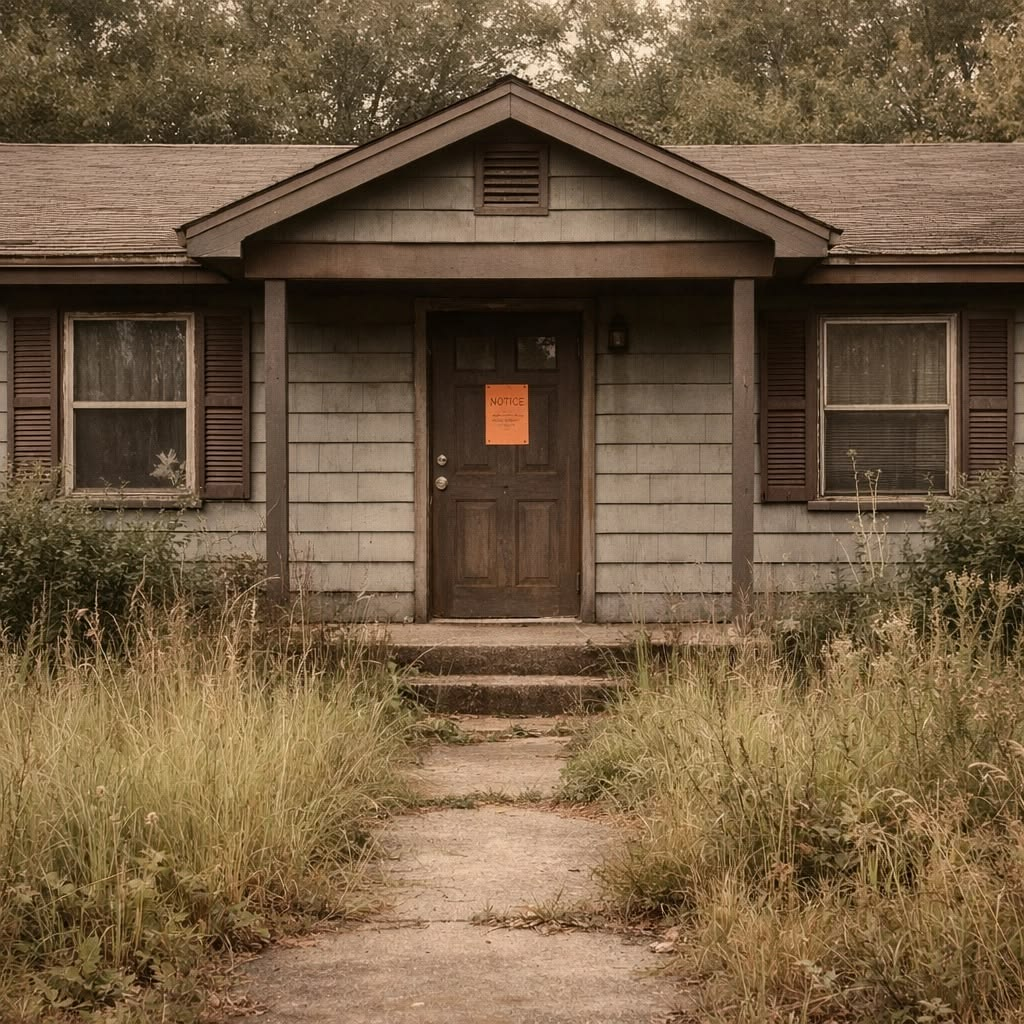
In the distressed house vs. outdated house comparison, the core difference comes down to what’s actually wrong. An outdated house has cosmetic and stylistic issues, things like old carpet, dated cabinets, or a bathroom stuck in 1998.
A distressed house has functional or structural issues, things like a failing roof, foundation damage, or systems that no longer work safely.
Both types of homes are completely sellable. Neither one reflects poorly on the person who owns it. But the distressed house vs. outdated house distinction matters because it affects what a buyer is actually pricing in, and how much you genuinely need to worry before you list or sell.
Why Sellers Get Stuck on the Distressed House vs. Outdated House Question
Most homeowners asking themselves about distressed house vs. outdated house aren’t doing it out of academic curiosity. They’re doing it because they’re embarrassed, and embarrassment makes people delay decisions that would actually help them.
If you’ve inherited a property that hasn’t been touched in decades, or you’re managing a home with fire damage, it’s easy to assume the worst about what buyers will think. The distressed house vs. outdated house framework exists specifically to separate “this looks old” from “this has a real problem,” because those two things get treated very differently by buyers, appraisers, and lenders.
What Makes a House “Outdated” Rather Than Distressed
An outdated house is one where the bones are sound, but the finishes are behind the times. Think wood paneling, popcorn ceilings, brass fixtures, and a kitchen with laminate counters and oak cabinets from the 1980s or 1990s. None of that is a defect. It’s just a home that hasn’t been refreshed in a while.
In the distressed house vs. outdated house comparison, an outdated home typically still functions correctly. The roof doesn’t leak. The furnace works. The electrical panel handles the load. The issue is entirely visual, and visual issues are the cheapest and fastest thing to address, or in many cases, simply price around without fixing at all.
What Makes a House “Distressed”
A distressed house has issues that go beyond appearance. This includes structural problems, active water damage, failing major systems, code violations, or safety hazards. These are the kinds of issues that affect whether a house is safe or functional, not just whether it looks current.
The distressed house vs. outdated house line gets crossed when a problem stops being cosmetic and starts being functional or safety-related. A cracked foundation, knob-and-tube wiring that’s actively unsafe, or a roof that’s actively leaking into the structure all fall on the distressed side, regardless of how nice the paint job looks.
How Appraisers Actually Draw This Line
This isn’t just a homeowner’s informal distinction. Mortgage lenders rely on a standardized system to separate cosmetic wear from real deficiencies.
According to Fannie Mae’s Selling Guide, appraisers rate homes on a scale from C1 to C6, and minor conditions like worn floor finishes, dated fixtures, or small deferred maintenance items are treated very differently from conditions that affect a home’s safety, soundness, or structural integrity.
This is essentially the professional version of the distressed house vs. outdated house comparison. A home with outdated but functional components can still be rated as eligible for financing “as is.”
A home with genuine structural or safety problems gets flagged in a way that can actually block a sale until repairs happen, which is exactly why so many of those homes end up selling for cash instead.
Why the Distressed House vs. Outdated House Distinction Matters When You Sell
If you’re trying to decide how to sell your home, understanding where it falls in the distressed house vs. outdated house spectrum changes your options. An outdated home can often be listed traditionally with minimal work, since buyers using financing can typically get approved on cosmetic issues alone.
A distressed home is more likely to run into financing snags with traditional buyers because lenders are hesitant to approve mortgages on homes with the kinds of issues we outlined above. This is part of why selling a house as-is or to a cash buyer becomes a much more practical path once a home crosses from outdated into genuinely distressed territory.
Common Signs You’re Looking at an Outdated House
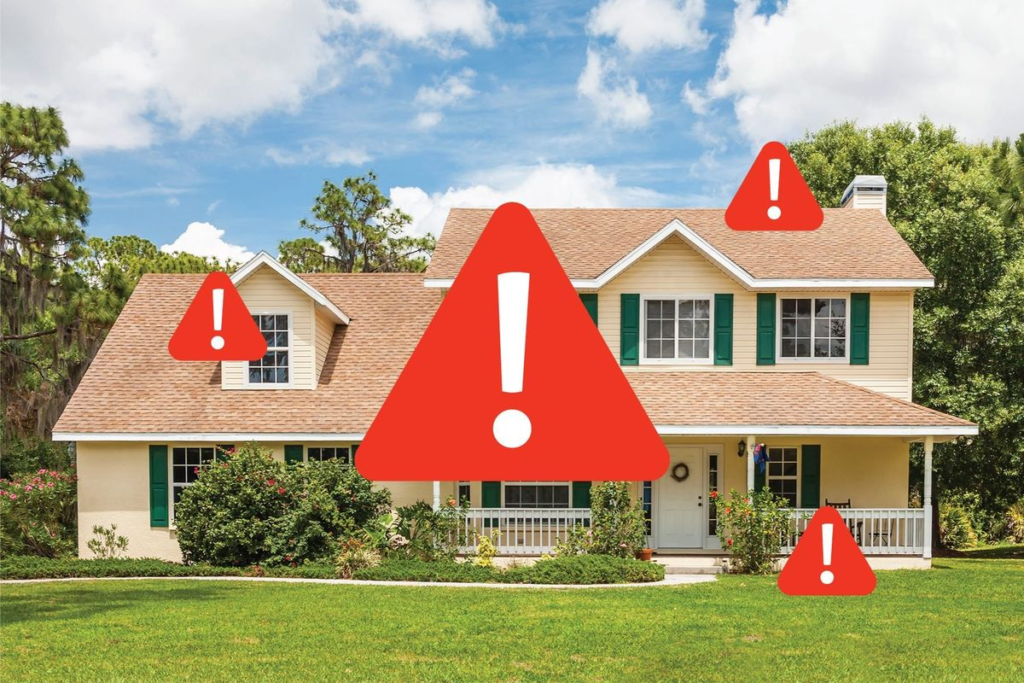
If you’re still unsure where your home falls in the distressed house vs. outdated house comparison, these signs typically point toward outdated rather than distressed.
#1. The kitchen and bathrooms haven’t been touched in 20 or more years, but everything still works.
#2. Flooring, paint, and fixtures look tired, but there’s no active water intrusion or structural movement.
#3. The furnace, water heater, and electrical panel are old but still functioning and pass a basic visual check.
#4. The roof is aging but not actively leaking, and there’s no visible sagging or missing sections.
#5. You’d describe the home as “needs a refresh” rather than “needs real repairs” if a friend walked through it.
Common Signs You’re Looking at a Distressed House
On the other side of the distressed house vs. outdated house line, these signs point toward genuine distress rather than simple age.
#1. There’s active water damage, visible mold, or a roof that leaks when it rains.
#2. The foundation shows cracking, settling, or doors and windows that no longer close properly.
#3. Electrical or plumbing systems have known safety issues, not just outdated appearance.
#4. The home has been vacant for an extended period and has deferred maintenance beyond cosmetic wear, something common with hoarder houses or long-inherited properties.
#5. There are open code violations or the home wouldn’t currently pass a basic habitability inspection.
The Kitchen Test: Where People Usually Get Confused
Kitchens are where the distressed house vs. outdated house confusion shows up most often, because a dated kitchen can look far worse than it actually is. Oak cabinets, laminate counters, and an old range read as “this house needs work” to a lot of sellers, even when nothing is actually broken.
An outdated kitchen with intact cabinets, working appliances, and functional plumbing is a cosmetic issue, not a distressed one. A kitchen with a leaking sink that’s damaged the subfloor or wiring that can’t safely support modern appliances has crossed into distressed territory. The visual impression and the actual condition aren’t always the same thing.
Does an Outdated House Need Repairs Before Selling?
Generally, no. This is one of the more reassuring parts of the distressed house vs. outdated house conversation. If your home is outdated but structurally sound, you have real flexibility in how you sell it.
You can list it traditionally and let the price reflect its condition, since buyers understand that a dated kitchen is a renovation opportunity, not a defect. You can also skip repairs entirely and sell as-is to a cash buyer if you’d rather not deal with showings and staging. Dynasty’s guide on whether you should fix up your house before selling walks through this decision in more depth.
What About Homes Built Before Lead Paint Was Banned?
One issue that often gets mistaken for “distress” is actually just an age-related disclosure requirement. If your home was built before 1978, federal law requires disclosure of known lead-based paint information regardless of the home’s actual condition, under rules jointly enforced by the EPA and HUD.
This applies to outdated homes just as much as distressed ones, since it’s tied to the home’s age, not its condition. It’s a paperwork requirement, not a sign that your home falls on the distressed side of the distressed house vs. outdated house comparison.
Do I Have to Disclose Problems Either Way?
Yes, and this applies regardless of where your home falls on the distressed house vs. outdated house spectrum. In Illinois, the Residential Real Property Disclosure Act requires sellers to disclose known material defects, whether the home is being sold traditionally or as-is.
Selling as-is doesn’t erase your disclosure obligations. It changes who’s responsible for repairs, not who’s responsible for honesty. Dynasty’s article on what selling as-is really means covers this distinction in more detail, since it’s one of the most commonly misunderstood parts of the process.
Should I Renovate an Outdated House Before Selling?
This is one of the most common questions that comes up once sellers understand the distressed house vs. outdated house distinction, and the honest answer is usually no, or at least not extensively. Full renovations rarely return their full cost at resale, and the math often doesn’t favor big projects right before a sale.
Minor cosmetic refreshes, like paint, hardware, and light fixtures, tend to have a much better return than gut renovations. If you’re weighing whether renovation makes sense at all, it’s worth comparing that cost against simply selling to a cash buyer who evaluates the home based on its current condition, without asking you to spend money upfront. Dynasty’s breakdown of how a cash offer is calculated shows how that math actually works.
Selling a Distressed House: What’s Genuinely Different
Once a home falls on the distressed side of the distressed house vs. outdated house line, the calculation changes. Traditional buyers using financing may struggle to get approved, since lenders are cautious about homes with structural or safety issues. That narrows your buyer pool significantly if you try to list traditionally.
This is where cash buyers tend to be the more realistic path, since companies that specialize in as-is purchases build repair costs directly into their offer instead of requiring you to complete them first. If your property involves complications like title issues or municipal violations on top of physical distress, a direct sale often becomes the only practical route forward.
There’s No Shame in Either Category
It’s worth saying directly: neither side of the distressed house vs. outdated house comparison reflects poorly on you as a homeowner. An outdated home usually just means you didn’t prioritize renovations, which is a completely normal choice, not a failure.
A distressed home often comes from circumstances entirely outside your control. Inherited properties, homes left vacant during a divorce, or a house that sat empty during a foreclosure process all commonly end up genuinely distressed, and that’s a circumstance, not a character judgment. Buyers who work in this space see homes in every condition regularly and aren’t measuring you against some imaginary standard.
How to Actually Decide Which Category You’re In
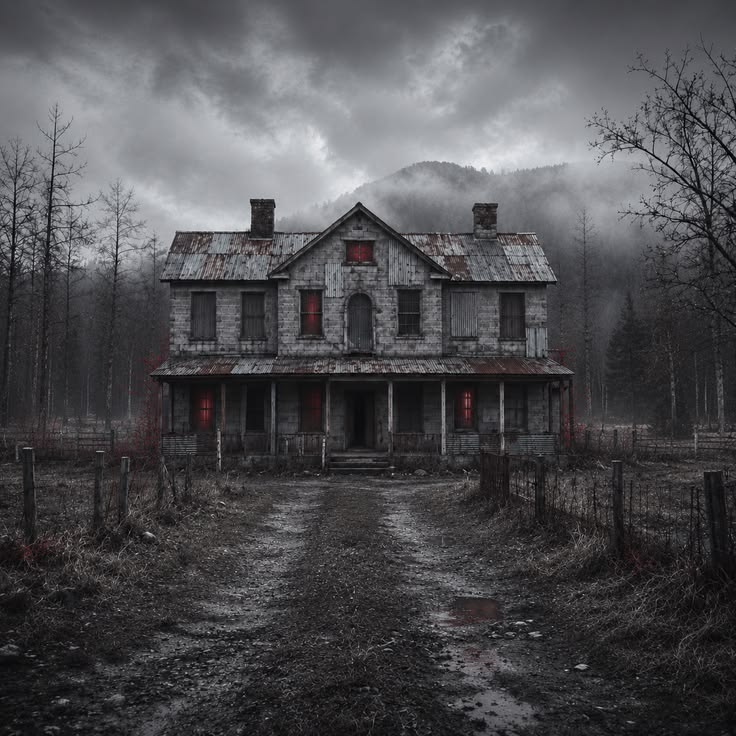
If you’re still unsure where your home lands in the distressed house vs. outdated house comparison, a simple walkthrough with a specific list of questions helps clarify things fast.
#1. Does everything in the home currently function, even if it looks old? If yes, you’re likely dealing with outdated, not distressed.
#2. Is there any active water intrusion, visible structural movement, or known safety hazard? If yes, you’re likely dealing with distressed.
#3. Would a basic habitability inspection pass today without emergency repairs? A passing result usually points toward outdated.
#4. Has the home been vacant for an extended period with no maintenance at all? Extended vacancy often pushes a home toward the distressed category even if it started out simply outdated.
If you’re still not sure after walking through these questions, a no-obligation walkthrough from a cash buyer can settle the question quickly. Dynasty’s explanation of what happens during a home buyer walkthrough shows that this isn’t a pass-or-fail inspection, just an honest look at what’s actually going on.
Getting an Offer Regardless of Which Category You’re In
The good news in the distressed house vs. outdated house conversation is that both categories of homes are sellable, often without spending a dollar on repairs first. Sell To Dynasty buys houses across the Chicago Southland, whether you’re dealing with a dated kitchen or a genuinely distressed property, in any condition.
You can get a no-obligation cash offer within 24 hours, see how the process works, or check the FAQ page if you have more questions before deciding what’s right for your situation. Dynasty serves communities including Tinley Park, Harvey, and Chicago Heights, regardless of whether the property in question is simply behind on style or facing bigger structural problems.
The Bottom Line
The distressed house vs. outdated house comparison ultimately comes down to one question: is the problem cosmetic, or is it functional and structural? An outdated house needs a style refresh. A distressed house needs real repairs, or a buyer willing to handle those repairs themselves.
Neither situation is something to be embarrassed about, and neither one closes off your options. Once you know which side of the distressed house vs. outdated house line your home actually falls on, the path forward, whether that’s a light cosmetic listing or a straightforward as-is cash sale, becomes a lot clearer.