
Waking up to a flooded basement or a ceiling that dripped all night is stressful. If you need to sell a water-damaged house in Will County now, you probably have more questions than answers.
The good news is that you have real options. Many Chicago Southland homeowners choose to sell a water-damaged house in Will County without repairs, showings, or months of waiting.
This guide explains how water damage affects a sale, what Illinois law requires you to disclose, and how cash buyers for water-damaged houses work. You will also learn how to sell a flooded house in Chicago Southland safely and fairly.
Why Homeowners Choose to Sell a Water-Damaged House in Will County
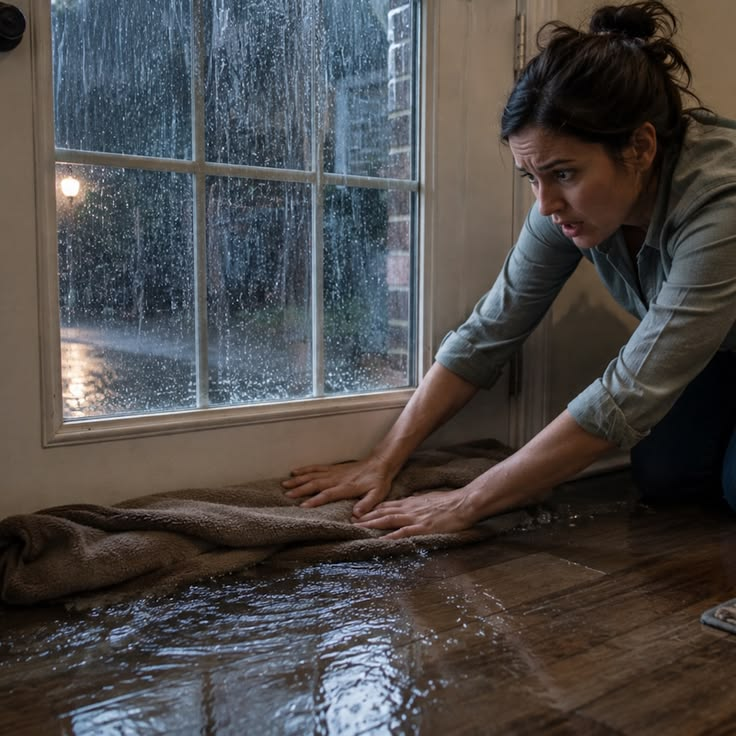
Water damage rarely arrives at a convenient time. A burst pipe in January, a failed sump pump in April, or a sewer backup after a summer storm can cause thousands of dollars in damage within hours.
Repairs often cost more than people expect. Drywall, flooring, insulation, electrical work, and mold treatment add up fast, and good contractors can be booked for weeks.
That is why many Will County owners decide to sell a water-damaged house instead of rebuilding it. Selling lets you stop the repair spiral and move forward.
Others simply have no choice. A job change, a divorce, a death in the family, or a mortgage that is already behind can make a big repair project impossible. In those cases, selling a water-damaged house in Will County quickly can protect your finances.
What Counts as Water Damage?
Water damage is a broad term. It covers everything from a slow leak behind a wall to a basement full of river water.
Knowing the type matters because it affects repair costs, health risks, and how buyers see the property. These are the most common causes in Chicago Southland homes:
#1 Roof leaks and clogged gutters that let rain soak into attic insulation, ceilings, and walls.
#2 Burst or leaking pipes, especially after a hard freeze, or a failed water heater or washing machine hose.
#3 Basement seepage and sump pump failure during heavy rain.
#4 Sewer or drain backups that push wastewater into the home’s lowest level.
#5 River or flash flooding that brings outside water into the house.
#6 Hidden moisture in crawl spaces and behind walls that builds for months before anyone notices.
Whatever the source, buyers want to know what happened, when it happened, and whether you fixed it. Those answers drive every offer you will receive.
Why Water Problems Are Common Across Will County
Will County sits where several rivers meet, and that shapes the risk. The Kankakee River runs through the county’s southwestern part, and ice jams have caused sudden flash flooding in Wilmington. In one event, officials issued a flash flood warning and evacuations along the Kankakee River.
The Du Page River, which runs through Plainfield and Shorewood, also triggers National Weather Service flood warnings when it rises above flood stage. In Joliet, FEMA redrew its flood map and placed nearly 700 properties in and around downtown into a floodplain.
You do not need to live on a riverbank to have a problem. FEMA reports that 25 to 30 percent of National Flood Insurance Program claims come from properties outside high-risk flood areas.
Older homes in the region face extra risk from aging pipes, original roofs, and basements that were never fully waterproofed. To see how your address is mapped, search the FEMA Flood Map Service Center.
The First 48 Hours After Water Damage Matter
Speed protects both your health and your home’s value. EPA guidance says to dry water-damaged materials within 24 to 48 hours to prevent mold, and it warns that mold can still grow even if materials dry within that window.
That guidance applies to clean water. If the water came from a sewer backup or a river, the EPA says not to run fans until you know the water is clean or sanitary.
Here is what to do first:
#1 Stop the source of the water if you can do it safely, and stay out of standing water if electricity may be on.
#2 Photograph and video everything before you clean up, including damaged walls, floors, and belongings.
#3 Call your insurance company right away to start a claim.
#4 Keep every receipt for pumping, drying, and temporary repairs.
#5 Hold onto damaged materials until the adjuster has seen them, unless they pose a health hazard.
Good records also help later. Whether you repair or sell a water-damaged house in Will County, documentation shows buyers what really happened.
Does Homeowners Insurance Cover Water Damage?
This is one of the most common questions homeowners ask, and the honest answer depends on the cause. FEMA says most homeowners insurance does not cover flood damage, and a separate flood policy typically takes 30 days to take effect.
Sudden events, such as a burst pipe, are often covered under a standard policy. Slow leaks from poor maintenance and sewer backups are often excluded unless you added coverage. Policies vary, so read yours closely.
If your claim is denied or the payout is too small, the Illinois Department of Insurance can help you understand your rights. When insurance will not cover the work, many Will County owners decide to sell a water-damaged house as-is.
Be upfront about any claim you filed. A cash buyer for water-damaged houses will ask, and honesty keeps the closing smooth.
Can You Sell a House With Water Damage?
Yes, you can. Water damage does not make a home unsellable. It changes who your buyer is and how the sale works.
Buyers who need a mortgage often struggle with damaged homes because lenders and appraisers expect a livable property. That shrinks the pool of buyers.
Cash buyers and investors are different. They buy homes in any condition, so a homeowner selling a water-damaged house in Will County often gets more certainty from this group.
Does water damage lower a home’s value? Yes, usually. Buyers price in the repair bill, plus the risk of unseen problems. Our guide on cash buyers versus realtors for water-damaged homes compares both routes in detail.
Do You Have to Disclose Water Damage in Illinois?
In most cases, yes. The Illinois Residential Real Property Disclosure Act requires sellers of one- to four-unit homes to complete a disclosure report. The Public Act that shaped the current report form asks whether you are aware of flooding or recurring leakage problems.
The form also states that parties may still contract for a sale in “as is” condition. But completing the report creates legal obligations for the seller, so accuracy matters.
Sellers who hide known problems can face real consequences. In one case, an Illinois appellate court upheld a judgment against sellers who denied knowing about basement water problems. The buyers reported water coming through the walls and floors within 24 hours of closing.
The rule of thumb is simple: if you know about it, disclose it. Our post on selling a house with hidden problems explains why honesty protects you as a seller.
Some transfers have different rules, such as certain estate and court-ordered sales. If you are unsure, ask a real estate attorney before you sign anything.
Should You Fix the Water Damage Before You Sell?
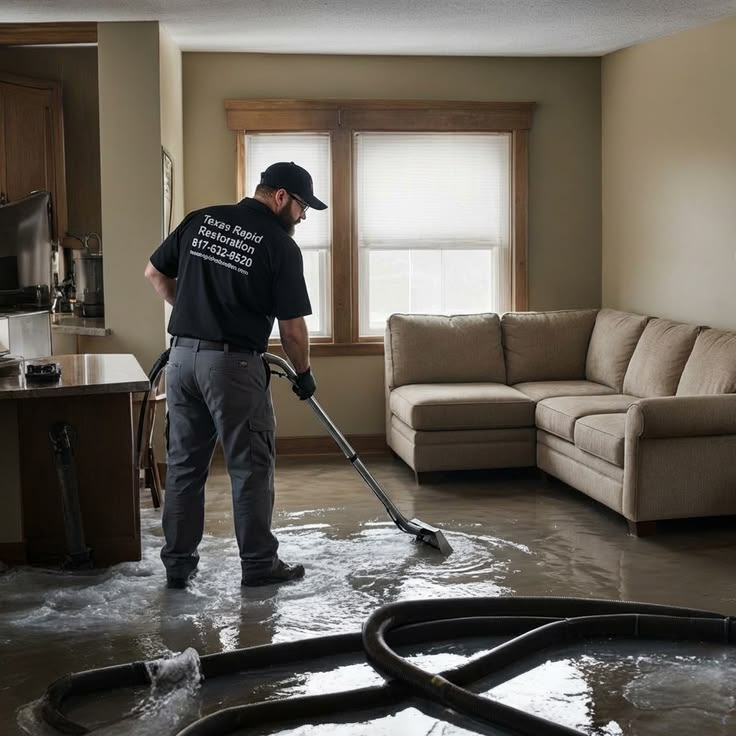
Repairing may seem like the obvious move, but it isn’t always the smartest one. Water damage repairs often uncover more problems once you open walls and floors. That is how a small project becomes a large one.
Fixing the damage can make sense if the problem is minor and your budget and timeline allow it. It rarely makes sense if you face major structural work, mold, or a deadline.
Here are the questions to ask before you spend money:
#1 Do I have the cash to pay for repairs up front, and can I wait for the sale to recover it?
#2 Could the repairs uncover mold, rot, or electrical issues I cannot predict?
#3 Will I still have to disclose the damage after repairs?
#4 Can I afford the mortgage, taxes, and utilities while the work drags on?
Our breakdown of whether to fix up your house or sell it as-is walks through these tradeoffs. You can also read what selling as-is really means before you decide.
Why a Traditional Listing Is Hard for a Damaged Home
A normal listing means cleaning, showings, inspections, appraisals, and negotiations. With visible water damage, every step gets harder.
Buyers’ inspectors often find moisture, staining, or signs of mold. That leads to repair demands, price cuts, or buyers walking away after you have already lost weeks.
Lender appraisals can also stall a deal. If the home does not meet condition standards, financing may fall through at the last minute.
Meanwhile, you keep paying the mortgage, insurance, and utilities. Our guide on why houses sit on the market explains how those costs build, and the cost of listing a house traditionally shows what you give up in agent commissions and closing expenses.
For many owners, that’s when it makes sense to sell a water-damaged house in Will County to a cash buyer.
How a Cash Buyer for Water-Damaged Houses Works
A cash buyer for water-damaged houses buys the property as-is, with no repairs, cleaning, or staging required on your end. The buyer takes on the repair work and the risk.
The process usually starts with a short conversation about the home, followed by a walkthrough. The buyer looks at the cause of the damage, how much of the house is affected, and what repairs are needed. Then you receive a written offer.
How is the offer calculated? In general, a buyer starts with what the home would be worth after repairs. From that figure, they subtract repair costs, holding costs, and a fair profit margin. Our article on how cash home buyers determine offers shows this math and goes even deeper into how cash offers are calculated.
Cash offers will be lower than a fully repaired, retail sale. That is the tradeoff for speed, certainty, and skipping the repair bill. You can learn to tell a good cash offer from a bad one and whether you can negotiate a cash offer.
Timing is a major benefit. Many cash sales close in a few weeks, and you can often choose the closing date. See how long selling a house for cash takes so you can set a realistic timeline.
If you want to sell a water-damaged house in Will County quickly, this path removes the biggest delays.
How to Sell a Flooded House in Chicago Southland Safely
Flooded homes carry extra concerns that ordinary leaks do not. Floodwater can carry sewage, chemicals, and debris, and it can soak into structure, insulation, and mechanical systems.
If you plan to sell a flooded house in Chicago Southland, safety comes first. Avoid contact with contaminated water, do not run electrical systems while the home is wet, and let professionals handle the cleanup.
Mold is the next concern. The EPA’s mold resources explain why moisture control is the key to preventing growth, and why lingering dampness leads to bigger problems.
Many owners find that a flooded home is more than they want to fix. Mechanical systems, flooring, drywall, and sometimes the furnace or electrical panel all need work. That is exactly the kind of house a cash buyer for water-damaged houses is set up to handle.
When you sell a flooded house in Chicago Southland, tell the buyer what you know. Share the date of the flood, the water source, any cleanup work, and any insurance claim or flood maps. Clear details lead to cleaner offers.
If the property is now empty, our post on cash home buyers for vacant houses covers extra points to consider.
Step-by-Step: How to Sell a Water-Damaged House in Will County
The process is simpler than most people expect. Here is what it usually looks like:
#1 Make the property safe, stop the water source, and document the damage with photos and videos.
#2 Gather basic paperwork, such as your deed information, mortgage details, and any insurance claim records. Our list of documents needed to sell a house can help.
#3 Contact a local cash buyer and describe the damage honestly. Reach out through the Sell To Dynasty home page to start the conversation.
#4 Let the buyer walk through the property so they can see the damage themselves.
#5 Review the written offer and ask about fees, timing, and who pays closing costs. Read about closing costs when selling a house in Chicago Southland before you sign.
#6 Choose your closing date, sign at a title company, and get paid. Understanding title insurance helps you follow the closing steps.
Each step is built to reduce stress. You don’t repair, clean, or stage anything, which is why so many Will County owners sell a water-damaged house this way.
How to Avoid Scams When You Sell a Water-Damaged House in Will County

Distressed homeowners attract bad actors. Water damage can make you feel pressed for time, and some companies take advantage.
Watch for buyers who refuse to put an offer in writing, ask for money up front, or pressure you to sign immediately. Our post on whether selling a house for cash is a scam lists the red flags.
You should also know who you are dealing with. Some companies are wholesalers who simply tie up your contract and look for someone else to buy it. Read about cash buyers versus wholesalers so you can tell them apart.
Before you sign, verify the local home buyer and use our list of questions to ask a cash home buyer. A trustworthy company will welcome these questions.
Anyone planning to sell a water-damaged house in Will County should expect clear answers, a written contract, and a title company to handle the closing.
Money and Tax Questions to Understand Before You Sell
Most sellers wonder what happens to the numbers. First, you pay off your mortgage from the sale proceeds at closing, and you keep what remains.
Second, losses on a home sale are treated differently from gains. IRS Publication 523 explains that you generally cannot deduct a loss on the sale of your main home.
Third, some casualty losses from disasters may have special tax treatment. IRS Publication 547 covers casualties, disasters, and thefts, and the rules can be limited, so check with a tax professional.
If you are behind on payments, the clock matters even more. Our guide on selling a house when you are behind on mortgage payments explains your options, and the foreclosure situation page shows how a fast sale can help.
Special Situations: Tenants, Inherited Homes, and Probate
Water damage often shows up in non-owner-occupied homes. A tenant may report a leak late, or a vacant inherited house may sit with a slow leak for months.
If tenants live in the property, you can still move forward. Learn more on our page about how to sell a tenant-occupied rental in the Chicago Southland.
If you inherited the damaged home, read our page on how to sell an inherited house in the Chicago Southland. If the estate is in court, the post on cash offers for a probate house in Will County explains the extra steps.
In both cases, owners who sell a water-damaged house in Will County often value speed and no repair work. It lets families close a stressful chapter without paying to fix a house they don’t want.
Is Selling Right for You?
Not everyone should sell. If the damage is minor, your insurance is paying, and you have time, repairing may bring a higher price. Our article on whether a cash sale is right for you can help you decide.
Selling makes the most sense when repairs are large, money is tight, or your timeline is short. It also suits owners who simply don’t want to manage a rebuild.
Whatever you choose, get more than one opinion. Comparing a repair estimate with a cash offer shows what each path really costs. Then it’s easier to decide whether to sell a water-damaged house in Will County or fix it.
Final Thoughts on Selling a Water-Damaged House in Will County
Water damage is stressful, but it does not have to trap you in a house you cannot fix. A clear plan, honest disclosure, and the right buyer can turn a bad situation into a manageable one.
Document the damage, understand your insurance, and know your disclosure duties. Then compare your choices, from repairing and listing to working with a cash buyer for water-damaged houses.
If you decide to sell a water-damaged house in Will County, choose a local company that explains its offer and lets you move at your own pace. Dynasty Home Buyers works with homeowners across the Chicago Southland, and you can start at Sell To Dynasty or browse more guides on the Sell To Dynasty blog.