A city notice can turn a quiet week upside down. If you own a home with open code violations, you may be wondering who would ever buy it. The answer is simple: we buy houses with code violations in Cook County.
At Sell To Dynasty, we buy homes across the Chicago Southland as-is. You do not need to fix the roof, pull permits, or fight the paperwork before you sell.
This guide explains how code violations affect a sale, what you must disclose, and how we buy houses with code violations in Cook County. Our goal is to help you decide with confidence.
What Counts as a Code Violation in Cook County?
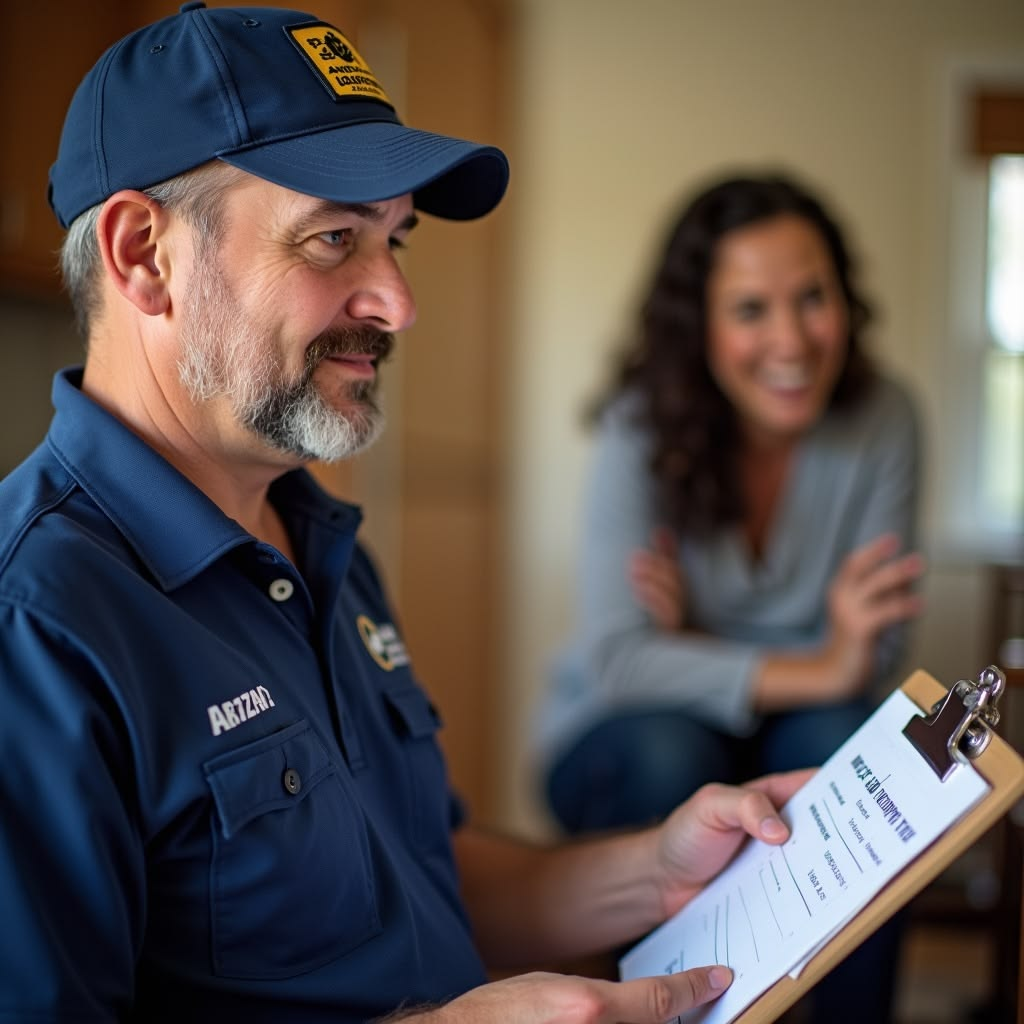
A code violation is a failure to meet a local building, health, or property maintenance rule. Cities and villages issue them after inspections or neighbor complaints.
Common examples include broken windows, rotted porches, unsafe stairs, faulty wiring, missing smoke detectors, overgrown yards, and unpermitted work.
Enforcement depends on where the home sits. Most Chicago Southland towns enforce their own codes, while the Cook County Department of Building and Zoning handles unincorporated areas.
In unincorporated areas, the county says cited owners generally have 30 days to comply. Fines can run from $100 to $1,000 per offense, and each day a violation continues can count as a separate offense.
No matter which office sent the notice, we buy houses with code violations in Cook County and can review it with you.
That is why a small notice can grow fast. Many owners in Illinois choose to sell a house with violations instead of paying to fix everything.
Can You Sell a House With Code Violations in Illinois?
Yes. No state law prevents you from selling a home with open violations. You can sell a house with violations in Illinois as long as you are honest about them.
The Residential Real Property Disclosure Act requires most sellers to complete a disclosure report, and the form asks about notices of violation. A seller who knowingly gives false information can owe damages under Section 55 of the Act.
So disclose every notice you know about. Hiding one can create legal trouble and can sink a deal at the closing table.
Some villages also require an inspection or certificate before a home changes hands. Check with your village hall early, because those rules differ from town to town.
Do code violations transfer to the new owner? Often, yes. Unpaid fines and municipal liens can stay with the property, which is why a title company will want them cleared at closing.
Why Houses With Code Violations Are Hard to Sell on the Market
Most buyers use a mortgage, and lenders want a safe, insurable home. Open violations can stop an appraisal, delay underwriting, or kill the loan.
Inspections add another hurdle. A buyer who finds more problems may demand repairs, ask for a lower price, or walk away.
Meanwhile, you keep paying taxes, insurance, and utilities, and fines can keep growing. Our post on why houses sit on the market explains how that cycle plays out.
A cash buyer skips most of those hurdles. When we buy houses with code violations in Cook County, we don’t need a lender to satisfy or an appraisal to wait on.
How We Buy Houses With Code Violations in Cook County
Our process is built for owners who want a simple path. Here is how it works.
#1 Contact us. Tell us about the property and any violation notices you have received.
#2 We review the home. We review the condition, notices, and neighborhood.
#3 You get a cash offer. We factor in repairs and violations, so you don’t have to guess.
#4 You choose the closing date. Close in weeks, or choose a later date that works for you.
#5 We handle the paperwork. A title company pays off liens and fines from the proceeds, and you collect the rest.
That is how we buy houses with code violations in Cook County without asking you to fix a thing first.
Do You Have to Fix Code Violations Before Selling?
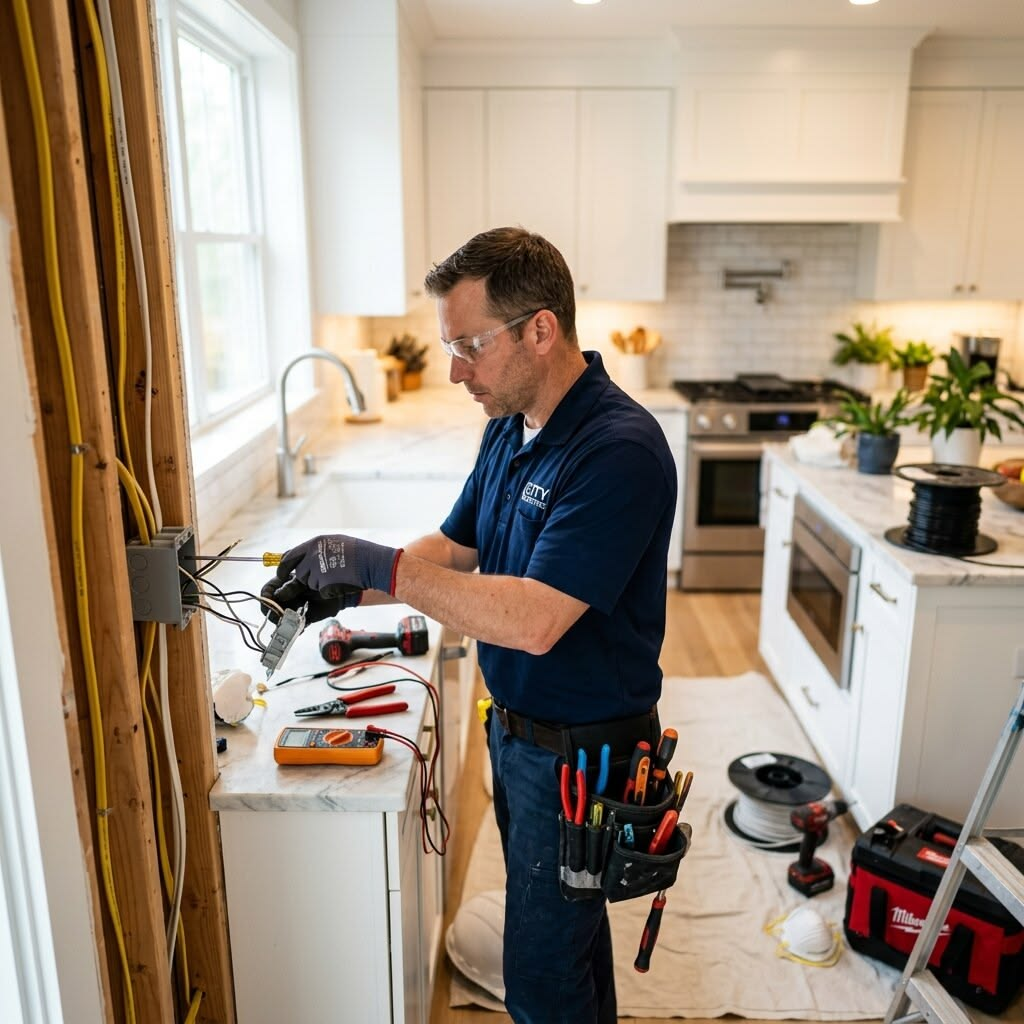
Not always. Fixing violations is one path, but it costs money, takes time, and can uncover more problems once walls are opened.
Repairs often need permits and inspections, and each step adds weeks. If you are short on cash, that path may be out of reach.
Can you sell a house with code violations as-is? Yes. Selling as-is means the buyer takes the home in its current condition, and we buy houses with code violations in Cook County as-is.
Our guide compares selling a house as-is vs. making repairs. You can also read about the financial benefits of selling as-is.
For the short version, read what selling as-is really means and how to sell a house fast without repairs.
What Happens to Fines and Liens When You Sell?
Fines and liens do not vanish when you sell. They show up in the title search, and the title company must deal with them before the deed transfers.
In most cases, you pay the amount owed from your sale proceeds at closing. That keeps the sale moving without you having to write a separate check.
Municipal liens can attach to a property when a city pays to board up, repair, or demolish an unsafe building and then bills the owner.
Read our guide on selling a house with a lien for the full picture. Also see our breakdown of what you will pay at closing so you know what comes out of the proceeds.
Back taxes matter too. Check your balance with the Cook County Treasurer and review property taxes when selling a house.
If the total owed looks bigger than expected, tell us early. We look at every debt on the title when we buy houses with code violations in Cook County.
How Is a Cash Offer on a House With Code Violations Calculated?
A cash offer on a house with code violations starts with the home’s value after repairs. From that, we subtract the cost of fixing the property and our costs to hold and resell it.
Violations affect the price because they affect the repair budget. A collapsing porch costs more to fix than a missing handrail, and the offer reflects that.
We aim to be fair and clear. Read how cash home buyers determine offers and how a cash offer is calculated to see the math.
You can also compare a good cash offer vs. a bad cash offer and learn whether you can negotiate a cash offer.
Any cash offer on a house with code violations should explain what is included. Ask for the number in writing, and ask what the buyer will cover at closing.
Types of Code Violations We See
Many violations do not stop us from buying. Here are common examples.
#1 Unpermitted additions, finished basements, and garage conversions.
#2 Roof, siding, and gutter problems.
#3 Electrical, plumbing, and heating issues.
#4 Unsafe porches, stairs, and decks.
#5 Overgrown yards, trash, and debris.
#6 Vacant property and boarded-up house notices.
#7 Mold, water damage, and failed inspections.
Some homes have several violations at once. That is fine. We buy houses with code violations in Cook County whether you have one notice or ten.
Selling a House With Unpermitted Work
Unpermitted work is one of the most common violations in older Chicago Southland homes. A past owner may have finished a basement or added a room without permits.
Buyers and lenders get nervous because the work might not meet code. Our guide on selling a house with unpermitted work explains your options.
We buy houses with code violations in Cook County even when the violation is unpermitted work. We build the risk into the offer, so you do not have to open walls or hire an architect.
Tenant-Occupied Homes With Violations
Rental owners often get violations tied to tenant complaints, such as heat, pests, or unsafe conditions. Our page on selling a tenant-occupied rental in the Chicago Southland explains how we handle occupied homes.
In unincorporated Cook County, you need a residential rental license before renting a unit. Check your village’s rental rules too, since they vary.
Tenant issues add stress to an already hard situation. See Selling a House with a Problem Tenant if that fits your case.
Inherited, Vacant, and Foreclosure Situations
Violations often pile up on vacant or inherited homes. Nobody is checking the yard, and the city sends notices to an estate or an absent owner.
If you inherited a property with open notices, we buy houses with code violations in Cook County from estates too. See our page on selling an inherited house in the Chicago Southland.
If a lender has started foreclosure, time is short. Our page on selling a house in foreclosure explains your options.
Cash Buyer vs Realtor for a House With Code Violations

A realtor can be a good choice when a home is in decent shape, and you can wait. A house with open violations is a different story.
Listing means repairs, showings, inspections, and months of waiting. Read our comparison of a cash buyer vs a realtor for homes with code violations.
Outdated homes face similar problems, as our guide to cash buyer vs realtor for outdated homes shows.
If speed and certainty matter most, we buy houses with code violations in Cook County faster and more reliably than a listing can.
How Fast Can You Close?
Many cash sales close in a few weeks. Our guide on how long a cash sale takes breaks down the steps.
Violations can add a step because the title company must confirm what is owed. Giving us your notices early helps.
If a hearing date or deadline is coming, tell us. We can often plan around it when we buy houses with code violations in Cook County.
Why Owners Choose Sell To Dynasty
Here is why owners choose us when they want a buyer who understands violations.
#1 Local focus. We work in the Chicago Southland and know how its villages operate.
#2 No repairs. You do not fix, clean, or update anything before closing.
#3 Clear offers. We explain the numbers and put the terms in writing.
#4 Flexible timing. You choose a closing date that fits your life.
#5 Respect. A notice from the city is stressful, and we treat you like it is.
That mix is why people ask us to buy houses with code violations in Cook County instead of waiting on the market.
How to Choose a Buyer You Can Trust
Not every buyer is equal. Some make big promises and then cut the price at the last minute.
Ask for proof of funds, a written offer, and a local reference. Our guide on how to verify a local home buyer lists what to check.
You can also review questions to ask a cash home buyer and read whether selling a house for cash is a scam.
A trustworthy company will explain how it plans to buy houses with code violations in Cook County and put the terms in writing.
It also helps to understand what a cash home buyer is and how a local buyer differs from a national company.
Mistakes to Avoid When You Sell a House With Code Violations
A few errors can cost you money or cause legal trouble. Avoid these.
#1 Ignoring notices. Deadlines pass, fines grow, and liens can follow.
#2 Hiding violations. False disclosures can lead to damages.
#3 Paying for big repairs before comparing options. Compare a repair budget with a cash offer first.
#4 Signing with the first buyer. Get another opinion, and read about multiple cash offers.
#5 Missing hearings. If you received a hearing notice, follow its instructions.
Avoiding these mistakes matters whether you work with us or not. If you decide we are the right fit, we buy houses with code violations in Cook County and keep the process simple.
Selling Across the Chicago Southland
Code rules and inspectors differ by village. Knowing your town’s process helps you plan.
Our local guides cover Markham, Calumet City, Country Club Hills, Richton Park, and Burnham.
Wherever the home sits in the Chicago Southland, we buy houses with code violations in Cook County and nearby areas.
What About Taxes When You Sell?
A sale may have tax effects. IRS Publication 523 explains the home sale gain exclusion for a main home.
Rental and investment properties follow different rules, so talk to a tax professional before you sell.
Is Selling for Cash the Right Move for You?
Selling for cash works best when time, repairs, or fines are the problem. It may not be the best fit if your home is in great shape and you can wait for top dollar.
Our guide on whether a cash sale is right for you can help you decide. You can also read the pros and cons of selling a house for cash.
If you are weighing options, we buy houses with code violations in Cook County with no pressure, so you can compare at your own pace.
Final Thoughts and Next Steps
If code violations are weighing on you, you have options. Whether you fix the property or sell it, act before fines and liens grow.
We buy houses with code violations in Cook County as-is, with clear terms and a closing date you choose.
Visit Sell To Dynasty to request a no-obligation cash offer and see how simple it can be to sell a house with code violations in Cook County.
We are not a law firm. For legal questions about notices, hearings, or fines, talk with a licensed attorney.