
Losing a loved one is hard enough without a court case, a vacant house, and a stack of bills landing on your desk. If you are the executor or an heir of a probate home, you may be wondering whether anyone will take it off your hands.
We buy probate houses in Cook County as-is. That means no repairs, no cleanouts, and no showings, so you can handle everything else.
This guide explains how probate works, who can sell a house in probate, and what a cash offer for probate property really looks like. It is written for families across Cook County and the wider Chicago Southland.
What Does It Mean When a House Is in Probate?

Probate is the court process that confirms a will, names an estate manager, and settles the deceased person’s debts. In Cook County, the Circuit Court’s County Department, Probate Division handles it.
When someone dies owning a home, that house usually becomes part of the probate estate. The person in charge, called the executor or administrator, gets a court document called Letters of Office.
Those letters give the representative legal authority to act for the estate. You can’t sell or transfer anything about the house until that authority exists, which is why probate sales cannot be rushed.
If you are also asking what happens when there is no will, our guide on dying without a will and owning a house explains how Illinois law decides who inherits.
Why Families Ask Us to Buy Probate Houses in Cook County
Most people who contact us do not want to become landlords or house flippers. They want to settle the estate, pay what is owed, and divide what is left.
Probate homes tend to share the same problems. They are often older, they may need work, and they may be full of belongings. Many are empty, and the bills keep coming.
That is why so many families ask us to buy probate houses in Cook County instead of listing them. A cash sale removes the repair list, the cleanout, and the long wait for a retail buyer.
Here are the most common reasons we hear:
#1 The house needs repairs that the estate has no cash to pay for.
#2 Out-of-town heirs cannot manage a property from far away.
#3 Several heirs want a simple way to split the proceeds.
#4 The home is vacant, and the estate is paying taxes, utilities, and insurance every month.
#5 The family wants to close this chapter without a long listing process.
If your situation also involves family disagreement, read our posts on selling a house with family conflict and family disagreements over selling an inherited house.
Can You Sell a House in Probate?
Yes, you can sell a house in probate, but only through the person who has legal authority. That is usually the executor named in the will or an administrator the court appoints.
An heir cannot just sign a contract on the house alone. The seller must be the estate representative, and the court paperwork must be in place first.
After that, the method of sale depends on how the estate is administered. Cook County estates generally proceed in one of two ways:
#1 Independent administration, where the representative can generally sell estate real estate without asking the judge for approval of each sale.
#2 Supervised administration, where the representative generally needs court permission before selling real estate.
Independent administration is far more common. Still, the will itself can add limits, such as a specific gift of the house to one person. Because those details matter, the estate attorney should confirm what authority your Letters of Office give you.
This is why families who want to sell a house in probate benefit from speaking with a probate attorney early. Our team can then work around the legal timeline instead of fighting it.
Who Has the Authority to Sell a Probate Property?
Many families assume that if they live in the house, they can sell it. That is not how it works.
The court-appointed representative has the authority. If you are named executor in a will, you must still be formally appointed before you can act.
Cook County generally expects an attorney to open a probate estate, so the process rarely starts without one. A real estate guide from the law firm O’Flaherty also notes that a representative may need the court’s permission before selling or mortgaging property when the estate requires it for proper administration.
The small estate affidavit, a shortcut for tiny estates, does not apply when real estate is involved. A house means a real probate case, or one of the alternatives we describe in our post on how to sell an inherited house without probate.
The Probate Timeline: What Happens Before a Sale
Every estate is different, but most follow a similar path. Knowing the order helps you plan.
#1 An attorney files a petition with the Probate Division of the Circuit Court of Cook County. The Clerk’s office publishes a probate division fee schedule that shows filing costs.
#2 The judge admits the will, if there is one, and appoints the representative. Letters of Office are issued.
#3 The representative prepares an inventory of estate assets, generally within 60 days of the letters being issued.
#4 Creditors receive notice and a window to file claims. This period commonly lasts about six months after notice is published.
#5 The representative pays valid debts, taxes, and expenses, then distributes what remains to the heirs.
A sale can often happen before the estate fully closes, as long as the representative has authority. In fact, selling early can reduce risk, because the estate stops paying to maintain an empty home.
How long does probate take? Many estates take at least six months, mostly because of the creditor claim period. Contested or complex estates can run much longer.
How We Buy Probate Houses in Cook County
We buy probate houses in Cook County with a process built around the estate’s legal steps. We do not ask you to skip court or cut corners.
First, we review the property and the estate’s status. You tell us whether the court has issued Letters of Office and who the estate attorney is.
Next, we walk the home. We do not need it cleaned or fixed. Furniture, clutter, and deferred maintenance are normal in probate homes, and we plan for them.
Then you receive a written offer. If you accept, we sign a purchase agreement with the estate representative, and the estate attorney reviews it. Closing happens at a title company on a date that works with the court timeline.
When families ask us to buy probate houses in Cook County, we also coordinate with the attorney on any documents the title company needs. Our guide to documents needed to sell a house shows what to gather.
What Is a Cash Offer for Probate Property?
A cash offer for probate property is a purchase without bank financing. The buyer has the funds, so there is no mortgage approval, no appraisal delay, and far less risk of the deal falling apart.
For an estate, that certainty matters. A typical retail buyer may need a loan, request repairs, and ask for credits after an inspection. A cash buyer removes most of those steps.
How is the offer calculated? We start with what the home would be worth after repairs. We then subtract the cost of the work, holding costs, and a fair profit margin. Our article on how a cash offer is calculated explains the math in more detail.
A cash offer for probate property will usually be lower than the best-case retail price. In return, the estate saves on agent fees, repair costs, carrying costs, and months of waiting.
If you want to know what as-is really means, that post breaks down who is responsible for what at closing.
Should the Estate Repair the House First?
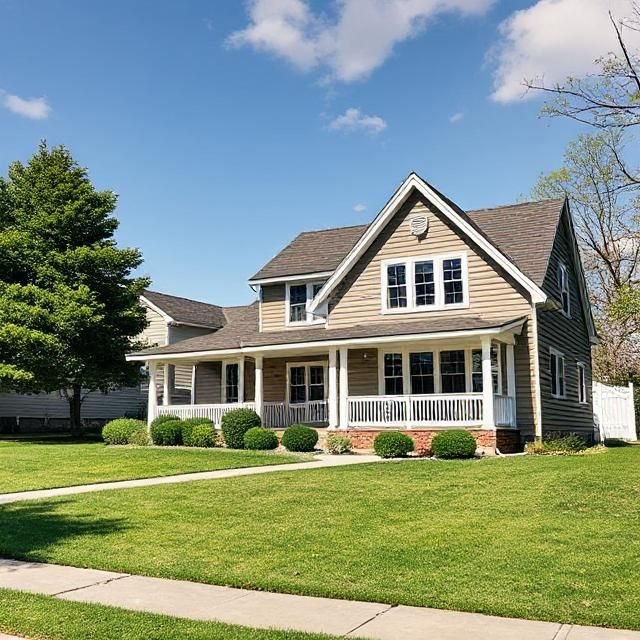
Sometimes. If the house needs only light work and the estate has money, repairs might raise the price. But that is the exception.
Most probate homes need more than the estate can easily afford. The representative must manage estate money carefully, and a large repair project is a risk. If the work goes over budget or the house does not sell, the heirs may share the loss.
Selling as-is shifts that risk to the buyer. It also keeps the process simple, which matters when family members live in different states.
Our guide on selling a house fast without repairs walks through the trade-offs. You can also compare options between a cash buyer and a realtor when a family member has died.
Do All Heirs Have to Agree to Sell?
This question comes up in almost every family. The answer depends on the will, the type of administration, and how the house is being passed on.
When the representative has authority to sell, the sale may not need each heir’s signature. Even so, a good executor keeps the heirs informed. A surprise sale can lead to disputes, delays, and legal fees that eat into everyone’s share.
If a will leaves the house to one specific person, that person may need to consent before the house is sold. That is one reason to ask your attorney before accepting any offer.
When heirs disagree, the court can step in. That can slow a sale, but it also protects the estate and the representative. If your family is stuck, our post on selling an inherited house explains more options.
What Happens to the Mortgage on a Probate House?
If the deceased owner still had a mortgage, it does not disappear. The loan stays attached to the property, and the servicer expects payments to continue.
Federal rules help heirs here. Under CFPB regulations, an heir who inherits a mortgaged property is generally treated as a “successor in interest,” and Regulation X, section 1024.31 defines that term. Once the servicer confirms your status, you can ask about payment options.
If the house is being sold, the mortgage is paid from the proceeds at closing. Our post on what happens to your mortgage when you sell covers the payoff process.
If payments have been missed, the clock matters. Read our guide to selling a house during foreclosure to help the estate avoid losing equity.
Liens, Back Taxes, and Other Surprises
Probate homes sometimes come with hidden debts. Property tax bills, utility balances, municipal fines, and old liens may all appear during the sale.
These items don’t stop a sale, but you must pay or clear them at closing. The title company will search the property’s records and report anything that blocks a clean transfer.
If you suspect a lien, our guide on how to sell a house with a lien explains how liens are cleared. You can also read what title insurance is to understand the closing protections.
We encourage every estate to disclose what it knows. When we buy probate houses in Cook County, a clear picture of liens and taxes helps us make a fair offer and close on time.
Taxes When You Sell an Inherited Home
Most people worry about taxes, so it helps to know the basics. Generally, inherited property takes a new tax basis based on its value at the date of death. The IRS explains this in Publication 551, Basis of Assets.
That often means the taxable gain on a quick sale is small, because the sale price is close to that stepped-up value. Your results depend on the facts, so a tax professional should confirm.
Property taxes and closing costs are separate. See our guides on property taxes when selling a house and closing costs when selling a house in the Chicago Southland.
Because every estate has its own tax situation, do not guess. Ask the estate attorney or accountant before you sign anything.
What if the probate house is vacant or Full of Belongings?
Vacant probate homes are common, and they come with risk. Empty houses can suffer from frozen pipes, break-ins, and neglected maintenance. Insurance companies may also limit coverage on vacant properties.
Belongings are another challenge. Families often cannot decide what to keep, donate, or discard while the estate is still open. A buyer who accepts the house with contents can save you weeks of labor.
For cluttered homes, see our guide to buying hoarder houses in the Chicago Southland. For empty homes, see cash home buyers for vacant houses.
Ask the estate attorney how to handle personal property before the sale. In some estates, heirs may need to approve removing certain items.
How Fast Can a Probate Sale Close?

The honest answer depends on the court. A cash buyer can often close within a few weeks once the representative has authority and the title is clear.
The biggest delays are usually legal, not financial. Waiting for Letters of Office, resolving disputes, or clearing title issues can add time.
That is why we recommend contacting us early, even before every probate step is finished. We can review the property, give you a clear offer, and plan a closing date that matches the estate’s schedule.
Our post on how long selling a house for cash takes gives a realistic timeline.
How to Avoid Scams When You Sell a House in Probate
Grieving families are a target for pushy buyers. Be careful if someone shows up before the funeral, demands a quick signature, or refuses to put an offer in writing.
A trustworthy buyer will work with the estate attorney, use a title company, and clearly explain the offer. Our article on whether selling a house for cash is a scam lists red flags.
You should also know whether you are dealing with a true buyer or a wholesaler. Read about cash buyers versus wholesalers to see the difference.
Finally, verify any local home buyer before you sign. Anyone selling a house in probate should insist on a written contract and an attorney review.
Probate Sales in Cook County and Beyond
Probate rules differ by county, so details can change depending on where the house sits in the Chicago Southland. Will County, for example, has its own probate court and local procedures.
If your property is there, read our guide to a cash offer for a probate house in Will County. For a broader look at inherited homes, see our post on buying inherited houses in Cook County.
If the house is going to a relative rather than being sold, you may also want to review how to transfer a house title to a family member.
Is a Cash Sale the Right Choice for Your Estate?
A cash sale is not right for every probate. If the estate has time, money, and a house in good shape, a traditional listing may bring a higher price.
But for many estates, certainty and simplicity matter more. A sale to a cash buyer lets the representative pay debts, divide proceeds, and close the case sooner.
Before you decide, collect more than one opinion. Compare a realtor’s estimate with a written cash offer for probate property, and ask the estate attorney which route fits the will and the heirs.
Final Thoughts
Probate does not have to mean months of stress over an old house. With a clear plan, the right attorney, and an honest buyer, the property can become one less worry.
We buy probate houses in Cook County for families who want a fair, as-is sale without repairs, cleanouts, or showings. If you need to sell a house in probate, we will work with the estate attorney and the court timeline.
When you are ready to talk, start at Sell To Dynasty or read more guides on the Sell To Dynasty blog.