
Yes, you can sell a house with an open permit in Chicago Southland. No state rule stops you, and plenty of owners do it every year. What changes is who will buy the house, how they will pay, and what price they will offer.
An open permit means your village or city approved some work, but it never received final sign-off. Maybe a contractor skipped the last inspection. Maybe a remodel stalled when the money ran out. Maybe the last owner left it behind.
This guide explains, in plain terms, how to sell a house with an open permit. You will learn what the problem really is, what you must tell buyers, and what your choices are. You will also see why so many owners choose a cash sale.
What an Open Permit Actually Means
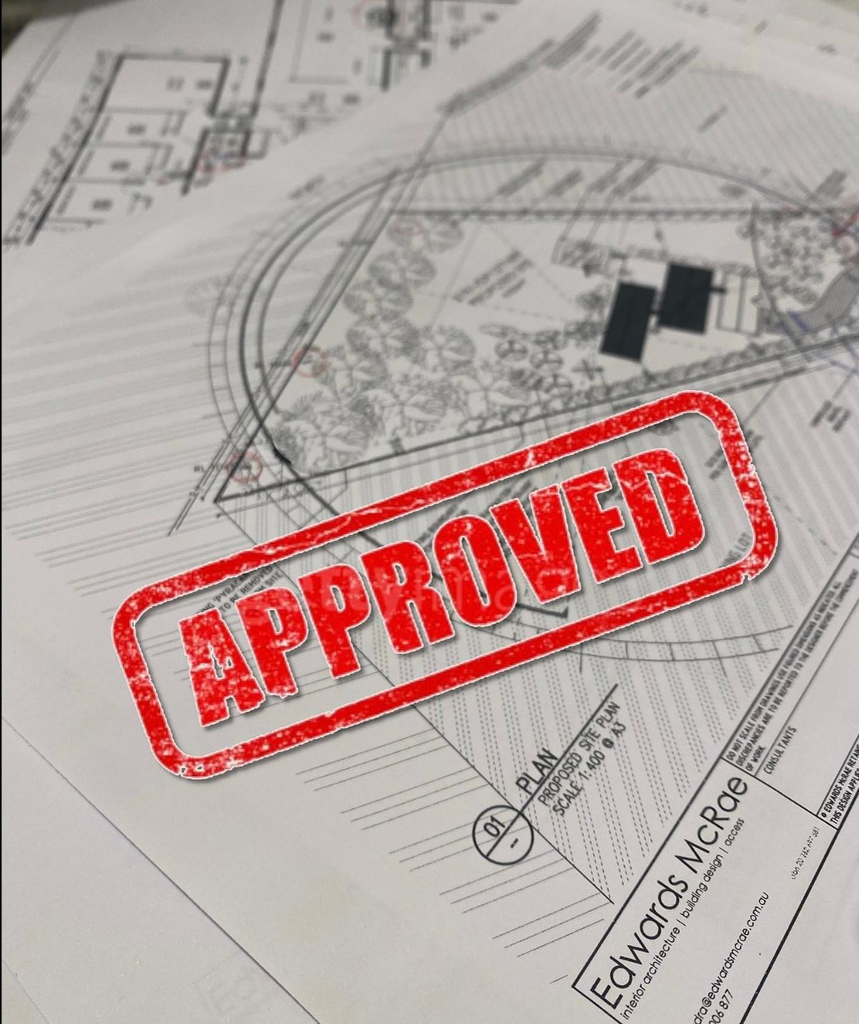
A building permit is permission from your local building department to do certain work. Roof replacements, electrical changes, plumbing work, additions, decks, and furnace swaps often need one. The permit starts the process. It does not finish it.
After the work is done, an inspector checks it. If it passes, the permit is closed. If that last step never happens, the permit stays open.
An open permit is not a fine, and it is not a mortgage. On its own, it is a record saying the work was never signed off. That record stays on file until someone finishes the job.
It is also different from work done with no permit at all. Our guide on how to sell a house with unpermitted work covers that problem. This article is only about permits that were pulled and never closed.
Why Open Permits Are So Common in Chicago Southland
Chicago Southland has many older homes, and older homes get remodeled again and again. Over 30 or 40 years, one house can collect permits from several different owners. It is easy for one of them to slip through.
Here are the most common ways a permit ends up open:
#1 The contractor never called for the final inspection.
#2 The owner ran out of money and stopped the project halfway.
#3 A past owner pulled the permit, then sold before it closed.
#4 The inspector failed the work, and nobody fixed the problems.
#5 The work was finished, but the paperwork was never filed.
None of this makes you a careless owner. These are paperwork gaps, and they happen to careful people all the time.
Can You Legally Sell a House With an Open Permit?
Yes. We know of no rule in Chicago, Southland that stops you from trying to sell a house with an open permit. You can list it, accept an offer, and close.
Some villages do have their own rules at the time of sale, such as a municipal inspection. Ask your building department what applies before you list.
The better question is not whether you can sell a house with an open permit. It is how hard the sale will be and who pays to fix the problem.
Most of the pain shows up when the buyer’s side starts digging. Agents, lenders, appraisers, and attorneys all look at permits differently. Some ignore them. Others stop the deal until the permit is closed.
Do Open Permits Transfer to the New Owner?
In practice, yes. A permit is tied to the property address, not to the person who pulled it. When the house sells, the open permit stays with the house.
That means the new owner inherits the loose end. If the building department later asks that the work be completed, the letter is sent to the house owner that day.
This is why careful buyers ask about permits early. They know that, when selling a house or buying one, an open building permit becomes the next owner’s problem and expense. Your village can confirm exactly how it handles this.
Do You Have to Tell Buyers About an Open Permit?
You must be honest about what you know. State law requires most residential sellers to give the buyer a written disclosure report before the contract is signed. You can read the form itself in the Residential Real Property Disclosure Act.
The form does not ask about permits by name. It asks whether you are aware of any material defects in the roof, electrical system, plumbing, or heating. It also asks whether you received a notice of violation that was never corrected.
If your open permit sits on unfinished or failed work, those questions may apply to you. The form defines “aware” as actual knowledge, so you do not have to investigate. But you cannot ignore something you already know.
You also have a duty to update the report before closing if you learn something new. A seller who knowingly gives wrong answers can be sued for damages.
Hiding a permit is a poor plan anyway. Permit records are usually public, and a buyer’s attorney can often find them quickly. When in doubt, disclose it and have a real estate attorney review your answers.
Can a Buyer Get a Mortgage on a House With an Open Permit?
Sometimes, but it makes things harder. A buyer using a loan has a lender and an appraiser looking at the property. Both want a house that is safe and complete.
Appraisers may note unfinished work. Some lenders, especially for FHA and VA loans, have stricter conditions and may require that permits be open before closing. Each lender sets its own rules, so nothing is guaranteed.
A buyer’s attorney may also refuse to close until the permit is resolved or the contract says who handles it.
This is why it can be hard to sell a house with an open permit to a buyer who needs a loan. The buyer pool shrinks to cash buyers, buyers willing to do the work, and buyers who want a lower price.
A smaller pool is one reason houses sit on the market for months.
Does Title Insurance Cover an Open Permit?
Usually not. Title insurance is built to protect against recorded problems, such as liens, bad deeds, and unpaid claims. An open permit is typically a municipal record rather than a title record.
As a result, a title search may not flag it. A seller who tries to sell a house with an open permit and assumes the title company will sort it out may be in for a surprise.
Our explainer on what title insurance is shows what a policy does and does not cover. Ask your title company directly how it treats permit problems.
If a permit issue turns into an unpaid fine or a recorded violation, that is a different story. Fines and recorded claims can affect the title, so ask about those too.
How to Find Out If Your House Has an Open Permit
Do not wait for a buyer to discover it. Before you sell a house with an open permit, you should know exactly what is open and what it covers.
Here is how to check:
#1 Call or visit your village or city building department and ask for the permit history on your address.
#2 Check whether your municipality has an online permit search. Many do, but not all.
#3 Ask past contractors for their permit numbers and final inspection records.
#4 Look through the papers from when you bought the house, plus any home improvement receipts.
#5 If you live in an unincorporated area, ask the county instead of a village.
Each village or city in the Chicago Southland runs its own building department, so the records and process vary from town to town. Ask for closed permits too. They prove past work was done right, and buyers like proof.
It also helps to gather your paperwork early. Our list of documents you need to sell a house is a good place to start.
What Happens to an Old Open Permit Over Time
Open permits do not sit quietly forever. Many building codes use an 180-day rule, and local versions differ. Rules in your own village may be stricter or looser.
As one example, the City of Chicago, just north of the Southland, suspends a permit if work does not start or no inspection is requested within 180 days of issuance. That is one clear picture of how the clock works.
That city’s Department of Buildings explains that reinstating a suspended permit costs 25% of the original permit fee for each 180-day extension. Its permits expire after more than 540 days without a first inspection, or more than 730 days without a follow-up inspection.
The same page says the department has no legal authority to reinstate an expired permit. In other words, waiting can make the fix harder and more expensive.
If you plan to sell a house with an open permit that is more than a year old, call your building department first. Ask for the status in writing if you can.
Your Options When You Want to Sell a House With an Open Permit
You have four main paths. Each path to sell a house with an open permit has a trade-off.
#1 Close the permit first, then list the house the normal way.
#2 List it the regular way and offer the buyer a credit for the open permit.
#3 Negotiate with a buyer who agrees to take over the permit.
#4 Sell the house as-is to a cash buyer.
Here is how each one works.
Option #1: Close the Permit First
This is the cleanest route. You call the building department, learn what is missing, and finish it. Often that means scheduling a final inspection.
If you close an open permit before selling, you remove the issue before any buyer sees it. If the work was done properly, it can be quick and cheap. A contractor who pulled the permit can sometimes close it with one phone call.
The risk is what the inspector finds. If the work does not pass, you must repair it first. That can mean opening walls or floors, and those repairs take time and cost money.
Think this through using our post on selling as-is versus making repairs.
Option #2: List It the Regular Way and Offer a Credit
You list the house, disclose the permit, and give the buyer a credit at closing. The credit covers the estimated cost to finish and close the permit.
A credit is one way to sell a house with an open permit without having to finish the work yourself. It works best when the buyer is flexible about financing.
It does not work with a lender who insists the permit be closed first. Credits also need honest cost estimates. Guess too low, and the deal can fall apart late in the process.
A credit also affects your bottom line, so review the closing costs a seller pays before you agree to one.
Option #3: Let the Buyer Take Over the Permit
Some buyers, especially investors and remodelers, are happy to finish the work themselves. They already plan repairs, so a leftover permit isn’t a shock.
The price will usually reflect that. Expect an offer below what a finished, fully signed-off house would bring. That gap is the cost of handing off the work and the risk.
If you take this route, put the arrangement in writing. The contract should say who is responsible for the permit after closing.
Option #4: Sell As-Is to a Cash Buyer
A cash buyer does not need a bank to approve the purchase of the house. That removes the lender problem, the biggest hurdle to an open permit. The buyer takes the house in its current condition, permit included.
This is the simplest way to sell a house with an open permit when time is short. You give up some price in return for speed and certainty.
We explain that trade in our post on how to sell a house fast without repairs. It also helps to understand what “sell as-is” really means before you sign anything.
What It Costs to Close an Open Permit
Costs vary widely because the work required for each permit is different. A simple water heater permit is cheap to close. A half-finished addition is not.
Before you decide how to sell a house with an open permit, get a rough cost to close it. Expect some mix of these pieces:
#1 Permit or reinstatement fees from your building department.
#2 Inspection or re-inspection fees in some places.
#3 A contractor’s time to finish paperwork or call for the inspection.
#4 Repairs, if the work fails inspection.
#5 Extra permits, if the inspector finds other work that needs one.
Ask the department for a written list of what it needs. That list turns a vague worry into a real number you can use.
Keep every receipt and sign-off you collect. The IRS explains in Publication 523 that the cost of improvements can be added to your home’s basis, which matters when you figure your gain. A tax professional can tell you how it applies to you.
When Closing the Permit Is a Bad Idea
Closing the permit is not always the smart move. Spending money first does not always pay you back.
There are times when it makes more sense to sell a house with an open permit as-is than to close it first. Think about skipping the fix in these cases:
#1 The work failed, and repairs would cost more than they add in value.
#2 You need to sell fast because of a job move, a divorce, or a deadline.
#3 You inherited the house and do not know the history of the work.
#4 You are behind on payments and need money soon.
#5 The contractor is gone, and the city wants the work redone.
For some of these, time matters more than a clean file. A slow sale can cost you more in mortgage payments, taxes, and utilities than the permit ever would. Our post on waiting too long to sell a house shows how fast those costs add up.
If the house also has code violations, that is one more reason to keep the sale simple.

How to Sell a House With an Open Permit for Cash
A cash sale is built for owners who want to sell a house with an open permit without repairs or delays. A cash buyer like Sell To Dynasty buys houses as-is across Chicago Southland, so you do not have to clean up the paperwork first.
Here is how a cash sale usually works:
#1 You reach out and share details about the house, including the open permit if you know about it.
#2 The buyer looks at the property and its condition.
#3 You receive an offer based on the house as it is today.
#4 You choose the closing date that fits your life.
#5 A title company handles the paperwork and closing.
You do not hire a contractor, and you do not wait for a final inspection. To see the steps in more detail, read our post on how long a cash sale takes.
How Cash Buyers Price a House With an Open Permit
Cash buyers look at the whole picture. That includes the house’s condition, the repairs it needs, the neighborhood, and the cost to finish the permit. Then they work backward to an offer.
Our post on how cash home buyers determine offers walks through that math. When you sell a house with an open permit to a cash buyer, the permit is one input, not the whole story.
A permit on minor work may barely move the number. A permit on a half-built addition may move it a lot.
You can also ask questions and push back. Read whether you can negotiate a cash offer before you respond to one.
Check any buyer before you commit. Our guide to verifying a local home buyer outlines what to look for.
Mistakes to Avoid
These mistakes cost sellers the most when they sell a house with an open permit:
#1 Hiding the permit. Records are usually public, and hiding it creates legal risk.
#2 Guessing the cost. Get the department’s requirements first.
#3 Letting it sit. Old permits can be suspended or expire, which makes them harder to fix.
#4 Starting new work without checking. New work may need its own permit.
#5 Trusting a buyer you have not checked. Our post asking if selling a house for cash is a scam explains how to protect yourself.
A Simple Plan to Follow
Follow these steps to sell a house with an open permit with less stress:
#1 Call your building department and get the permit status.
#2 Find the contractor, if there is one, and ask about the final inspection.
#3 Get a rough cost to close the permit, in writing if possible.
#4 Compare that cost with a cash offer and a regular listing.
#5 Pick the path that fits your timeline and your money.
If you are selling on your own, our FSBO page for houses in the Chicago Southland explains what to expect. This guide is general information, not legal advice, so a real estate attorney can review your situation.
Frequently Asked Questions
#1 What happens if you sell a house with an open permit and stay quiet about it?
You take on real risk. If the buyer later learns about the permit, they may argue that you knew about it and failed to disclose it. That can lead to a demand for repair money, a dispute at closing, or a lawsuit after closing.
Permit records are usually public. A buyer’s attorney, title company, or lender can look them up, so the permit is often issued before closing anyway. At that point, the deal can fall apart, or the price can drop.
State law requires you to give the buyer a written disclosure report before the contract is signed. You must also update it if you learn something new before closing. It is risky to sell a house with an open permit and hide it, so disclose first and then decide how to handle the permit.
#2 Will a home inspector or appraiser find an open permit?
Not always. A home inspector assesses the physical condition of the house, including the roof, wiring, plumbing, and furnace. Most do not pull permit records unless the buyer asks. But an inspector can spot signs of recent work, such as new wiring or a new deck, and may tell the buyer to check for permits.
Appraisers and lenders are more likely to notice. Unfinished work is often visible, and some lenders check local records. An appraiser may note incomplete work in the report, which can affect the loan.
A buyer’s attorney or agent may also search permit history on their own. Assume the permit will be found and plan for it. That is the safest way to sell a house with an open permit without surprises.
#3 How long does it take to close an open permit?
It depends on the work and the building department. If the work is finished and correct, closing the permit may only take scheduling and passing a final inspection. That can take days or a few weeks, depending on how busy the department is.
If the work failed or was never finished, the timeline grows. You may need to hire a contractor, make repairs, pay fees, and book another inspection. That can stretch into weeks or months.
Old permits add more delay. If the permit was suspended or expired, you may need to reinstate it or apply for a new one first. Ask the department for the steps in writing. If you cannot wait, you can sell a house with an open permit as-is instead of closing it first.
#4 What if the contractor who pulled the permit is gone?
This is common. Contractors retire, change names, or close their business. The permit is still associated with your address, so the problem does not go away with them.
Start by calling the building department. They can tell you who pulled the permit, what work it covers, and which inspections are missing. In some places, the owner can request the final inspection directly. Rules vary, so ask.
If the work looks complete, a new licensed contractor can review it and help call for the inspection. If the work is unfinished or poor, you will need someone to complete or repair it. Keep any old contracts and receipts, since they show what was done and when.
If none of that is realistic, selling as-is to a cash buyer lets the buyer deal with the permit instead.
#5 Do open permits ever expire or go away on their own?
Sometimes they expire, but that does not make the problem disappear. Building codes commonly set time limits, and many use a 180-day rule when work stops. Local rules differ from village to village.
As the earlier example showed, some cities suspend permits that sit idle for too long and expire them after longer gaps. In that case, the building department said it cannot reinstate an expired permit. An owner may have to start over with a new permit and new fees.
An expired permit usually still means the work was never signed off. Buyers and lenders may treat it the same as an open one. Do not count on time to fix it. Ask your building department what the status of your permit is and what comes next.
#6 Can you sell a house with an open permit that you inherited?
Yes. You can sell a house with an open permit even if you inherited it and had nothing to do with the work. The permit stays with the property, and the executor or new owner is the one who has to deal with it.
The hard part is the unknown. You may not know what the work was or whether it was done well. Start with the building department, then check the house and any old papers. Heirs often have no paperwork at all.
You do not have to fix everything before selling. Many heirs sell as-is and let the buyer handle permits and repairs. Our page on how to sell an inherited house in Chicago Southland explains the process, including probate steps.
#7 Will an open permit lower the price of my house?
Often, yes, but how much depends on the work behind it. A permit on a minor job, like a water heater swap, may barely change the price. A permit for a half-built addition or major electrical work may result in a much larger discount.
Buyers price in three things: the cost to close the permit, the cost of repairs the inspector may demand, and the hassle and risk. Buyers who need a mortgage may offer less or walk away. Cash buyers tend to be more flexible.
You can reduce the hit by getting facts early. If you know what the permit needs, you can show buyers a real number instead of a scary unknown. Fear drives low offers more than facts do. A known cost is easier to price than a mystery.
#8 Do I need to close the permit before I sell to a cash buyer?
No. A cash buyer can buy the house as-is, including an open permit. No lender is asking for a clean file, so the closing does not depend on the permit being finalized.
You still need to be honest about what you know. Share the permit details so the buyer can set a fair price. Hiding it only causes problems later.
You can close it first if you want to, but it is your choice. For many sellers, the time and money are better spent elsewhere, such as moving costs or paying bills. Our post on whether to fix up your house or sell as-is can help you decide.
#9 Can you sell a house with an open permit while behind on the mortgage?
Yes. Being behind on payments does not stop you from selling, and neither does an open permit. But time is tight, so the permit should not slow you down.
A regular sale needs a buyer with financing, inspections, and weeks of waiting. An open permit can add more delay. If a foreclosure date is close, that delay is risky.
You can sell a house with an open permit to a cash buyer and close faster, without the lender problem. Our page on how to sell a house in foreclosure in Chicago Southland lays out the options. The post on selling a house behind on mortgage payments explains the steps. If you have a sale date, talk to a housing counselor or attorney right away.
#10 Can a new owner pull a fresh permit to finish the work?
Sometimes. In many places, a new owner who wants to finish the work can talk to the building department about taking over the old permit or starting over. Each department handles it differently.
Some departments let a new owner reinstate the old permit. Others require a new application, new plans, and new fees. In some cases, the old permit has to be closed or canceled first.
Never start work before checking. Doing work under a dead permit can create new violations. Buyers planning a rehab should ask the department for the exact steps, and sellers should expect buyers to ask. This is also why investors are often more comfortable than first-time buyers when you sell a house with an open permit.