
Most homeowners assume a sale starts with a yard sign and an MLS listing. That is one path, but it is not the only one. Plenty of owners in Chicago Southland quietly sell a house without the MLS every year.
If you are wondering whether you can sell a house without the MLS, the short answer is yes. The longer answer is that it can be a smart move or a costly mistake, depending on your house, your timeline, and your goals. This guide gives you the plain facts so you can decide.
What the MLS Actually Does
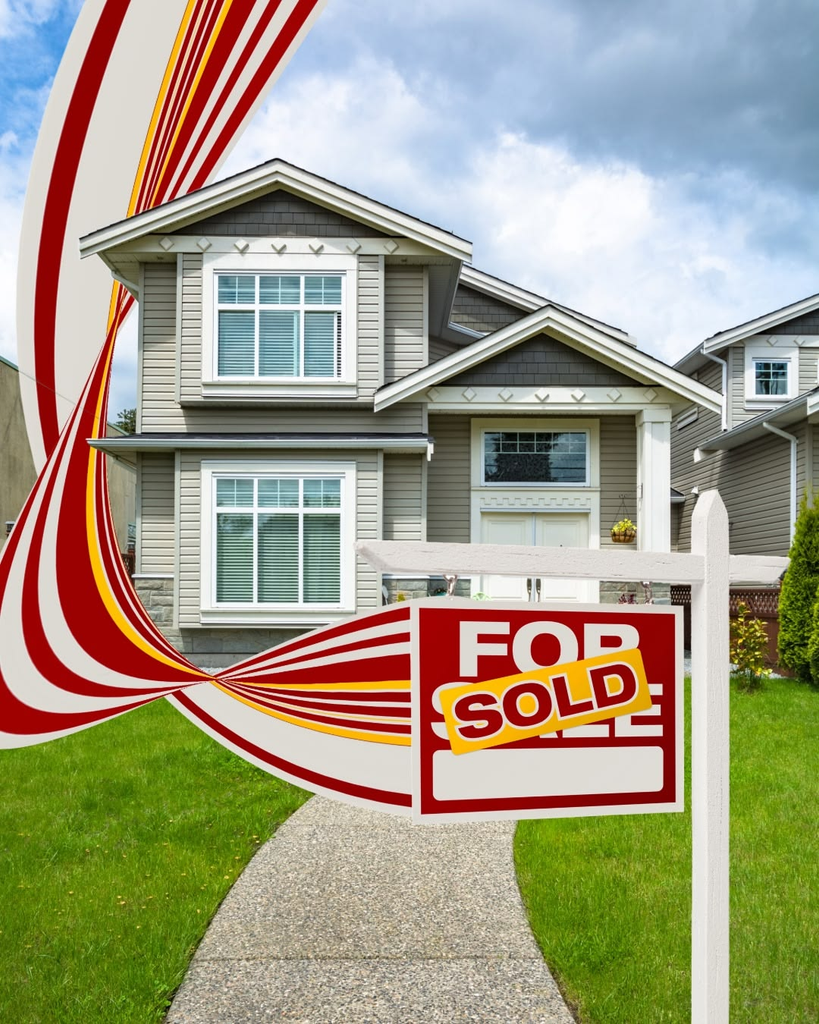
MLS stands for Multiple Listing Service. It is a database run by local real estate associations where licensed agents post homes for sale. Other agents and big home sites pull from it, which is why a listing shows up everywhere within a day.
The MLS is a marketing tool, not a legal requirement. No law says you must use it. It is simply the most common way to put a home in front of the most buyers at once.
Think of it like a giant billboard. Some sellers want the billboard. Others would rather make a direct phone call. Both can end in a closed sale.
Yes, You Can Sell a House Without the MLS
Let’s answer the big question first. Can you sell a house without the MLS? Yes. You own the property, and you decide how to find a buyer.
To sell a house without the MLS, you only need three things. You need a buyer, a signed purchase contract, and a closing handled by a title company or attorney. Everything else is a choice.
The MLS is a tool for finding buyers. If you already have a buyer, or you find one another way, you can sell a house without the MLS and skip the billboard entirely.
Is It Legal to Sell a House Without Listing It?
This is one of the most common questions people ask, and the answer is a clear yes. It is completely legal to sell a house without the MLS.
The National Association of Realtors tracks how homes sell across the country, and its research and statistics page shows that a small share of homes sell without an agent every year. Selling privately is a normal, recognized way to sell.
What is not optional is following the rules that apply to every sale. You still have to give required disclosures, sign a valid contract, and transfer the title properly. Skipping the MLS does not skip the law.
Six Ways to Sell a House Without the MLS
There are more than a few ways to sell a house without the MLS. Here are the six most common options for homeowners in Chicago Southland, in plain terms.
#1. Sell to a Cash Home Buyer
This is the fastest route. A cash home buyer is a company or investor that buys houses directly, with no bank loan and no listing. For the full picture, read our guide on what a cash home buyer is.
You contact the buyer, they look at the house, and you get an offer. If you accept, you can close in days or weeks instead of months. This is often the simplest way to sell a house without the MLS.
The trade-off is price. A cash buyer needs room to cover repairs and make a profit, so offers usually land below top retail value. You can learn how that math works in our post on how a cash offer is calculated.
#2. Sell It Yourself (For Sale By Owner)
With a for-sale-by-owner sale, you act as your own agent. You set the price, find the buyer, show the house, and negotiate the contract. We cover this in more detail on our page about FSBO houses in Chicago Southland.
You can advertise on social media, community boards, yard signs, and sites that accept owner listings. This lets you sell a house without the MLS and keep the money you would have paid a listing agent.
The catch is work and risk. You handle buyer questions, showings, and paperwork alone. Mistakes in the contract can cost far more than a commission would have.
#3. Sell to a Neighbor, Friend, or Relative
Sometimes the best buyer is someone you already know. A neighbor who wants more space, a coworker’s family, or a relative can all be buyers.
This kind of sale can be smooth because trust is already there. Still, put everything in writing. A handshake deal is how family sales turn into family fights.
Even with a friendly buyer, use a title company or real estate attorney. A clean closing protects both sides and keeps the relationship intact.
#4. Use a Private Listing With an Agent
Some agents will market your home quietly through their own network instead of posting it on the MLS. People call this an office exclusive or a pocket listing.
The agent may email other agents, share it with past clients, or post it on private channels. You still pay a commission, but the house gets less public exposure.
Be careful here. Fewer eyes on your home usually means fewer offers. Ask the agent to explain why a private listing would beat a public one for your specific house.
#5. Sell to a Local Investor or Landlord
Local investors buy houses in Chicago Southland to rent out or renovate. Many want homes other buyers pass on, like outdated houses or homes that need work.
An investor will usually buy as is. That means you skip repairs, cleaning, and staging. If your house is rough, read our post on how to sell a house fast without repairs.
Make sure you are dealing with the actual buyer. Some people only put homes under contract and then pass the deal along. Our guide on cash buyers vs. wholesalers shows how to tell the difference.
#6. Offer Seller Financing
With seller financing, you act like the bank. The buyer pays you monthly over time instead of getting a mortgage. This can open the door to buyers who cannot qualify for a traditional loan.
It lets you sell a house without the MLS to someone you find on your own and may bring in steady income. You can also often earn interest on the balance.
This option is more complex. You take on the risk that the buyer stops paying. Talk to a real estate attorney before you try it.
What You Give Up When You Skip the MLS
We believe in being honest about the downsides. When you sell a house without the MLS, you lose some real advantages.
The first is exposure. The MLS puts your home in front of thousands of buyers and agents at once. Without it, your pool of buyers is smaller.
The second is competition. More buyers usually means more offers, and more offers can push the price up. Fewer buyers can mean a lower final price.
The third is the safety net of an agent. A good agent screens buyers, handles negotiation, and manages deadlines. When you sell a house without the MLS and without an agent, all of that lands on you.
What You Gain When You Skip the MLS
There are real benefits too, which is why many owners choose to sell a house without the MLS on purpose.
Here are the biggest ones.
#1. Privacy. Not everyone wants their home photographed and posted online. After a death, divorce, or financial strain, a quiet sale can feel like a better option.
#2. Speed. No waiting for showings, open houses, or a buyer’s loan approval. Some private sales close in under two weeks.
#3. No repairs or staging. Many private buyers purchase as is. You do not have to fix the roof or paint the walls first.
#4. Lower costs. You may avoid listing commissions and some fees. We break down these costs in our post on what it costs to list a house traditionally.
#5. More certainty. A cash buyer is not waiting on a bank, so the deal is less likely to fall apart at the last minute.
How Much Does It Cost to Sell a House Without the MLS?
People often ask whether it is cheaper to sell a house without the MLS. It depends on the route you choose.
On a traditional listing, sellers have long paid commissions that often added up to around 5 to 6 percent of the sale price. Since changes to industry rules in 2024, buyer agent pay is negotiated more openly, but a listing agent still costs money.

When you sell a house without the MLS to a cash buyer, you usually pay no commission and no agent fees. You may pay for a title search, transfer taxes, and your own attorney if you hire one.
If you sell yourself, you save the commission but pay for marketing, a title company, and possibly an attorney. Our post on who pays closing costs explains how these costs are usually split.
Do not just compare commission to no commission. Compare the money you walk away with. A lower offer with no costs can beat a higher offer with repairs, fees, and months of carrying costs.
Step by Step: How to Sell a House Without the MLS
If you decide to go this route, follow a clear process. Here is how to sell a house without the MLS from start to finish.
#1. Decide why you are skipping the MLS. Are you after speed, privacy, savings, or an as-is sale? Your reason helps you pick the right method.
#2. Learn what your home is worth. Look at recent sales of similar homes nearby. You can also get a free opinion of value from a local buyer or agent.
#3. Choose your buyer type. Pick from the six options above. Match the buyer type to your goal, not just to the highest number.
#4. Gather your paperwork. You will need the deed, mortgage details, tax bills, and disclosures. Our list of documents you need to sell a house covers it all.
#5. Compare offers. If you get more than one offer, line them up side by side. Our guide to comparing cash offers shows what to check beyond the price.
#6. Sign a written contract. Never rely on a verbal deal. The contract should list the price, closing date, contingencies, and who pays what.
#7. Open title and escrow. A title company or attorney checks that the title is clear and handles the closing funds.
#8. Close and hand over the keys. You sign the deed, receive your money, and the sale is done.
The Legal Steps You Cannot Skip
When you sell a house without the MLS, you still carry every legal duty of a seller. This is where private sellers get into trouble.
State law requires most home sellers to give buyers a written property disclosure. This covers known problems like leaks, foundation issues, and defects. Leaving things out can lead to a lawsuit after closing.
If your home was built before 1978, federal law requires a lead paint disclosure. The Environmental Protection Agency explains these rules on its lead disclosure page.
You also need a valid deed and a clean title. Title problems like unpaid liens or errors in past records can stall or kill a sale. Learn why this matters in our post on what title insurance is.
Finally, plan for taxes. You may owe transfer taxes at closing, and you may owe capital gains tax on your profit. The IRS explains the home sale exclusion in Publication 523.
How to Price Your House Without the MLS
Pricing is the hardest part of selling privately. Price too high and nobody calls. Price too low and you give away your equity.
When a house is on the MLS, the market tests the price quickly. If it sits, you lower it. Without that feedback, you need another way to check your number.
Start with recent sold prices of similar homes within a mile or two. Look at size, age, condition, and lot. Then adjust for what your house needs.
If you plan to sell a house without the MLS to a cash buyer, expect offers below full retail. That is normal, because the buyer takes on repairs and risk. The right question is whether you net more by skipping repairs, showings, and months of waiting.
Our post on why houses sit on the market is a good reality check on what long waits really cost.
Can You Sell a House Without a Realtor?
This is another question that comes up constantly. Yes, you can sell a house without a realtor. You do not need a licensed agent to sell your own home.
That said, you should know what you are taking on. A realtor handles pricing, marketing, negotiation, and contract details. If you skip the realtor, those jobs are yours.
Many people who sell a house without the MLS also hire a real estate attorney for a flat fee. This gives them legal protection without paying a full commission.
What If My House Is Already Listed?
Some owners start on the MLS and then want out. Maybe the house sat for months. Maybe the showings dried up. Maybe life changed.
You can often pivot to a private sale, but check your listing agreement first. Many contracts include a protection period where you may still owe a commission if you sell to someone the agent found.
We cover this in our post about how to sell a house for cash when a realtor already has it listed. If your home is stuck, our guide on what to do when a house won’t sell on the market can help.
Scams to Watch For
Private sales have fewer guardrails, so scammers target them. If you decide to sell a house without the MLS, protect yourself.
Watch for these red flags.
#1. Buyers who refuse to meet or see the house. Real buyers want to walk through the property.
#2. Requests for money upfront. You should never pay fees to receive an offer.
#3. Pressure to sign right now. Honest buyers give you time to read the contract.
#4. Wire instructions that change at the last minute. This is a common closing fraud. The Consumer Financial Protection Bureau explains it on its closing information page.
#5. Vague or missing company information. Real companies are easy to look up.
Before you sign with any company, check them out. Our guide on how to verify a local home buyer walks you through it. You can also read Is selling a house for cash a scam for more detail.
Who Should Sell Without the MLS?
Skipping the MLS makes the most sense in certain situations. It is not right for everyone.
It can be a smart choice if your home needs major repairs. It also fits if you need to move quickly, want privacy, or inherited a house you do not want to prepare for the market.
It may be a poor choice if your home is in great shape, you are in no rush, and you want the highest possible price. In that case, MLS exposure can work in your favor.
If you are unsure, compare both paths side by side. Our post on cash buyer vs. realtor lays out the trade-offs clearly.
The Bottom Line
You can sell a house without the MLS; it is legal, and many homeowners in Chicago Southland do it every year. The right method depends on your timeline, your home’s condition, and how much you value speed over top dollar.
Know the trade-offs before you decide. You gain privacy, speed, and lower costs. You give up exposure and the competition that can raise your price.
If you want to explore a quick, no-pressure offer, visit Sell To Dynasty to learn how it works. We will tell you honestly whether selling directly makes sense for your situation.
Frequently Asked Questions
1. Can I sell my house without listing it on the MLS?
Yes, you can. Listing on the MLS is optional, not required. You own your home, so you decide how to find a buyer and how to market the property.
Homeowners in Chicago Southland sell without the MLS by selling to cash buyers, selling by owner, selling to someone they know, or using a private listing through an agent. Each one is legal.
What matters is that the sale is done correctly. You still need a written contract, honest disclosures, and a proper title transfer through a title company or attorney. The MLS only affects how buyers find you, not whether the sale is valid.
2. Will I get less money if I sell without the MLS?
Sometimes, but not always. The MLS exposes your home to the largest pool of buyers, and more buyers can create competition that raises the price. When you skip it, you may reach fewer people.
However, price on paper is not the same as money in your pocket. A listed sale can involve commissions, repair credits, staging, carrying costs, and months of waiting. A private sale can remove many of those costs.
The only way to know is to compare real numbers. Get an offer, estimate what you would net on the MLS after all costs, and compare the two. For a house that needs work, a direct sale often nets close to the same.
3. How do I find a buyer if I don’t use the MLS?

You have several options. You can contact a local cash home buyer, who will make you a direct offer. You can advertise it yourself using yard signs, social media, and community groups. You can also tell neighbors, coworkers, and family.
Local investors are another strong source, since they actively look for homes in Chicago Southland. Some agents also quietly share private listings with their network.
Whichever route you choose, vet the buyer before you sign. Ask for proof of funds, check the company’s reputation, and confirm who is actually buying the house. A real buyer will gladly answer these questions.
4. Do I still need a real estate agent or attorney?
You do not legally need an agent to sell your own home. You also don’t strictly need to hire an attorney, though many people in this area use one for the closing.
Even so, getting professional help on the legal side is wise. A real estate attorney can review your contract, make sure disclosures are correct, and spot title problems before they cost you money.
If you sell to a reputable cash buyer, the buyer usually works with a title company that handles the closing paperwork. Even then, you can have your own attorney review everything before you sign.
5. What paperwork do I need to sell a house without the MLS?
The paperwork is mostly the same as any sale. You will need the deed, a purchase contract, a property disclosure, payoff information if you have a mortgage, and recent property tax bills.
If your home was built before 1978, you also need a federal lead paint disclosure. If the home is part of an association, you may need association documents and proof that dues are paid.
Having these ready speeds up the sale and builds buyer trust. Our full checklist on what documents you need to sell a house covers each item.
6. Is it faster to sell a house without the MLS?
Often, yes. A traditional listing involves photos, showings, open houses, offers, buyer financing, and an appraisal. That process commonly takes a couple of months from listing to closing.
A direct cash sale skips most of those steps. There is no bank approval, no appraisal delay, and no waiting for showings. Some sales close in about a week or two when the title is clear.
Speed depends on the buyer and the title. A sale to someone who needs a mortgage will move at the lender’s pace, even if the house never touched the MLS. Our post on how long selling a house for cash takes gives realistic timelines.
7. Can I back out of a private sale after I agree to it?
It depends on what you signed. Once you sign a purchase contract, you are legally bound by its terms. Backing out without a valid reason could expose you to penalties or a lawsuit.
Many contracts include contingencies, which are conditions that let one side cancel in specific situations. Inspection problems or title issues are common examples. Read these carefully before signing.
If you are worried about commitment, ask questions first. Our guide on backing out after accepting a cash offer explains your options and what to look for in the contract.
8. Is it safe to sell a house without the MLS?
It can be very safe when you do it carefully. The risks come from skipping steps, not from skipping the MLS itself. Use a written contract, a reputable title company, and professional legal review.
Be alert to scams. Never pay upfront fees; always verify wire instructions by phone using a number you trust, and confirm who your buyer really is. The Consumer Financial Protection Bureau offers guidance on closing safely.
Working with an established local buyer with real reviews and a clear process further lowers your risk. If a deal feels rushed or unclear, slow down. A good buyer will never mind you taking the time to check.