
An empty house does not stay quiet for long. Pipes freeze, grass grows, mail piles up, and thieves notice. If you own a vacant house in Cook County, the days between “empty” and “sold” can get expensive fast.
Most owners never planned to hold an empty home. It happens after an inheritance, a move for work, a move to assisted living, a divorce, or a tenant who left without notice.
This guide shows you how to protect a vacant house in Cook County while you wait. You will learn how to secure it, winterize it, keep your insurance valid, avoid fines, and decide when to stop paying to hold it.
Why a vacant house is a risk
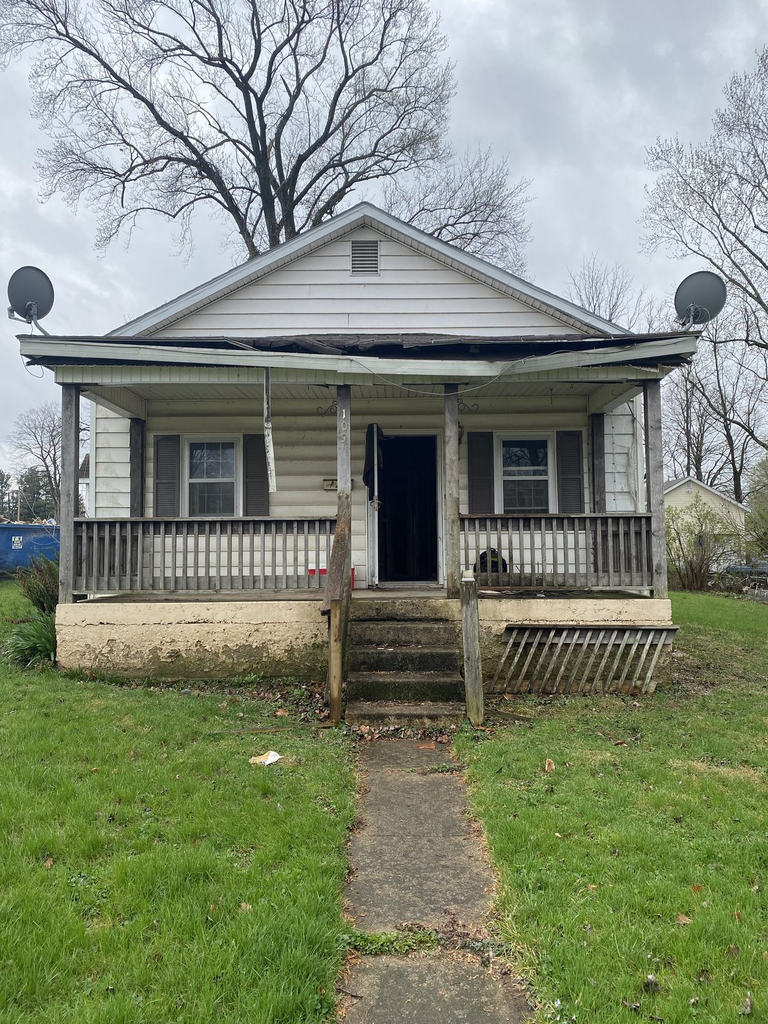
A lived-in home has a built-in alarm system: you. You notice the drip under the sink, the strange smell, and the broken window.
When nobody lives there, small problems grow in silence. A slow leak can run for weeks. A forced door can stay open for days.
A vacant house in Cook County also faces our weather. Hard winters, heavy rain, and big temperature swings take a toll on empty homes.
Add in the legal side, such as insurance limits, village rules, and property taxes that keep coming, and a vacant home becomes a project of its own.
Our post on cash home buyers for vacant houses explains how selling works. This guide focuses on what to do while you hold it.
Is it vacant or just unoccupied?
Insurance companies draw a line between two terms. Unoccupied usually means nobody lives there but furniture and belongings are still inside. Vacant usually means it is empty of both people and belongings.
The difference matters because policies often treat them differently. A vacant house in Cook County may face tighter limits than a furnished home that is simply unoccupied.
Do not guess which one applies to you. Read your policy and call your agent. We cover insurance in detail below.
Step one: call your insurance company today
This is the most important call you will make. Many standard homeowners policies limit or exclude certain claims once a home has been vacant for a set period, often around 30 to 60 days.
Common limits involve vandalism, theft, water damage from frozen pipes, and glass breakage. If a claim is denied, you are stuck paying for the damage yourself.
Ask your agent these questions.
#1 How does the policy define vacant and unoccupied? Get the exact wording.
#2 After how many days does coverage change? Ask which claims are limited.
#3 Can I add a vacancy endorsement? Some insurers offer an add-on that keeps coverage in place.
#4 Do I need a separate vacant dwelling policy? These are made for empty homes and usually cost more.
#5 What must I do to keep coverage valid? Some policies require regular inspections or heat to stay on.
Write down the answers and keep the agent’s name and the date. Do not let your coverage lapse to save a few dollars. One uncovered loss can cost far more than a year of premiums.
Step two: secure the doors, windows, and entry points
Thieves look for homes that appear empty. Your goal is to make a vacant house in Cook County look watched, locked, and not worth the trouble.
Start with the locks. If you do not know who has keys, change them. Former tenants, workers, relatives, and neighbors may all have copies.
#1 Change or rekey every exterior lock. This is cheap and stops old keys from working.
#2 Add deadbolts. Use a solid deadbolt on every exterior door, including basement and garage entries.
#3 Secure sliding doors. A wooden rod or a security bar in the track keeps them from being forced open.
#4 Check every window. Make sure latches work, and repair broken glass right away.
#5 Lock the garage and sheds. These often hold tools that thieves can use to enter the house.
#6 Remove hidden spare keys. Fake rocks and hide-a-keys are the first places burglars check.
If you use a lockbox for agents or contractors, keep a record of who has the code and change it often.
Step three: make the house look lived in
A dark, quiet house signals “nobody here.” You can change that without spending much.
Put lights on timers so they turn on and off at normal times. Motion sensor lights outside add another layer, and they cost little.
Keep the exterior neat. Mow, trim, rake leaves, and remove trash. A tidy yard tells passersby that someone is paying attention.
Keep the mail under control. Overflowing mailboxes and flyers on the porch are a clear sign of an empty home. Ask the post office to hold or forward your mail, or have a trusted person pick it up.
In winter, shovel the walk and driveway. Untouched snow in front of a house is a billboard that nobody is home. It can also lead to fines in some places, which we cover below.
Step four: add cameras and alarms if you can
Security does not have to be fancy. A simple camera system or doorbell camera can deter many break-ins and provide proof if something happens.
Battery-powered and wifi cameras are easy to install and can send alerts to your phone. If the house has no internet, cellular cameras are an option.
A monitored alarm adds more protection, but only if someone can respond. Make sure the alarm company has your contact details and a local person to call.
Post signs that say the home is monitored, but only if it really is. Do not rely on fake signs alone.
If you live far away, a camera can be a real peace of mind. Ask a neighbor or friend to check the property, too, because cameras cannot spot a slow leak.
Step five: protect the house from water damage
Water is the number one enemy of a vacant house in Cook County. A single burst pipe can cause tens of thousands of dollars in damage before anyone notices.
You have two choices. Either keep the house heated and watched, or shut off and drain the water system. Both are valid, but you have to pick one and do it right.
If you keep the water on, check for leaks often and know where the main shutoff valve is. Share its location with a trusted person.
If you shut the water off, you must drain the lines. Open faucets, flush toilets, and drain the water heater. Our section on winterizing below explains how.
Pay special attention to basements. Heavy rain, clay soil, and failing sump pumps are a common combination in our area. If water has already been a problem, read our guide on selling a water-damaged house in Will County, which also applies to many Cook County homes.
How to winterize a vacant house in Cook County
Winter is when a vacant house in Cook County is most at risk. Freezing temperatures can split pipes, crack fixtures, and ruin floors and walls.
If you plan to leave the house unheated, you need to winterize it. If you plan to keep it heated, you still need to check it regularly.
Here is a practical checklist.
#1 Shut off the main water supply. Locate the main valve and turn it to the closed position.
#2 Drain the pipes. Open every faucet and flush every toilet to clear the lines. Open the lowest faucet in the house to let water drain out.
#3 Drain the water heater. Turn off the power or gas first, and follow the manufacturer’s steps.
#4 Add non-toxic antifreeze to traps. Pour plumbing antifreeze into sinks, tubs, and toilet bowls so standing water does not freeze. Use the kind made for plumbing, not automotive antifreeze.
#5 Disconnect outdoor hoses. Shut off and drain outdoor spigots.
#6 Handle the washer, dishwasher, and ice maker. Drain any water left inside.
#7 Keep the heat at a minimum if you leave it on. Many experts suggest not letting the house drop below about 55 degrees.
If you are unsure, hire a licensed plumber to winterize the house. The cost is small compared with a flooded home. Your insurance company may also require proof that it was done.
Keep the utilities that matter
You might think shutting everything off saves money. But some utilities protect the house.
Electricity is usually worth keeping on. It powers lights, cameras, alarms, and the sump pump. A power outage without a battery backup for the sump pump can flood a basement.
If your basement has a sump pump, test it and think about a battery backup. Heavy rains in the Chicago Southland can overwhelm a house with no pump protection.
Gas for heat is a judgment call. If you keep the water on in winter, you need heat. If you winterize and drain, you may be able to shut off the heat, but check your insurance terms first.
Keep the accounts in your name so you can control them. If the utility is shut off for nonpayment, restarting it later may involve fees and delays.
Handle the yard and exterior
Neglected yards are one of the fastest ways to get noticed by the village, and not in a good way. Tall grass, piled leaves, and overgrown shrubs can trigger notices and fines.
Many municipalities have rules about lawn height, weeds, trash, and debris. The rules differ from village to village, so check with city hall for your address.
Mow regularly during the growing season. Trim bushes away from windows and doors, since overgrowth gives thieves a place to hide.
Check the roof and gutters. Clogged gutters can overflow and send water into the foundation. Look for missing shingles and patch leaks before they spread inside.
Walk the property after every major storm. If you cannot be there, ask a neighbor or hire a property watch service.
Check on the house on a schedule
Do not rely on luck. Set a routine for visiting a vacant house in Cook County, ideally every week and after every big storm or cold snap.
Here is what to check each time.
#1 Walk the outside. Look at doors, windows, the roof, and the yard for damage or signs of entry.
#2 Inspect inside. Look for water stains, drips, musty smells, mold, pests, and unusual noise.
#3 Test the sump pump. Make sure it runs and drains.
#4 Check the thermostat. Confirm the heat is on, and the temperature is steady.
#5 Look for new problems. Check ceilings, corners, and basements.
#6 Pick up the mail. Remove flyers and packages.
#7 Keep a log. Write the date, time, and what you saw. A log helps with insurance claims and shows you took care of the home.
Take photos on each visit. If something goes wrong, dated photos help prove what the house looked like before.
Watch out for pests and mold
Empty houses invite mice, rats, insects, and sometimes larger animals. They look for warmth, food crumbs, and quiet places.
Remove all food and trash. Seal gaps around pipes, vents, and doors. Check the attic and crawl spaces for signs of nesting.
Mold grows in damp, closed-up spaces. If you smell mustiness or see dark spots, deal with the moisture source first. A dehumidifier can help in a basement.
Do not ignore mold. It spreads and can lower your sale price. If you see a lot of it, get a professional opinion before you decide on repairs or a sale.
Our guide on selling a house with hidden problems explains why you should address these issues honestly.
Know the village rules for vacant property
Many villages and cities in the Chicago Southland have rules aimed at vacant properties. These can include registration requirements, fees, inspections, and upkeep standards.
Some municipalities require owners to register an empty home after a certain period. Others tie these rules to foreclosure or to code violations. The details change from place to place.
Missing a requirement can mean fines that grow over time. Call your village or city hall and ask what applies to your address.
If you have already received a notice, do not ignore it. Read our guide on selling houses with code violations in Cook County to learn your options.
Property taxes keep coming on an empty house
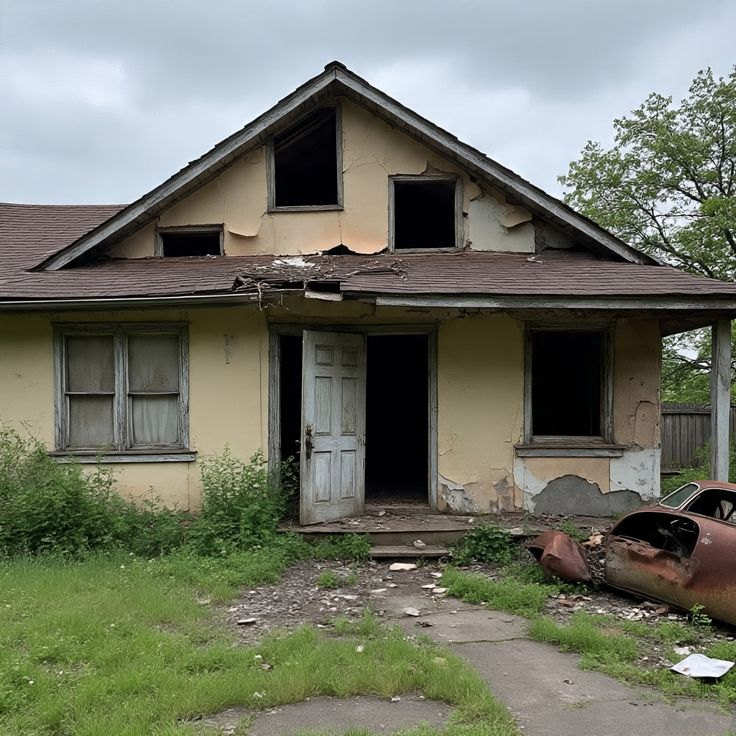
Being vacant does not pause the tax bill. You still owe property taxes, and unpaid taxes can lead to penalties and, eventually, a tax sale.
In Cook County, bills come from the Cook County Treasurer, who also publishes payment dates and lookup tools. Check the due dates for your address and mark them on your calendar.
You can also review your property’s records through the Cook County Assessor. If you think your assessment is wrong, ask about the appeal process.
When you sell, taxes are usually prorated at closing. Our post on property taxes when selling a house explains how that works.
If you are behind on taxes or the mortgage, act quickly. Our guide on selling a house behind on mortgage payments explains what you can do.
What a vacant house really costs per month
A vacant house is a monthly bill with no income. Many owners underestimate the cost until months have passed.
Add up everything you pay while the house sits.
#1 Mortgage payment, if you have one. This continues no matter what.
#2 Property taxes. Divide the yearly bill by twelve to see the monthly cost.
#3 Insurance. Vacant dwelling coverage can cost more than a standard policy.
#4 Utilities. Electric, gas, water, and internet or cellular service for cameras.
#5 Lawn and snow care. Paid help or your own time and fuel.
#6 Repairs and upkeep. Small fixes, pest control, and unexpected problems.
#7 Travel and time. Every visit costs gas and hours of your life.
Multiply the total by the number of months you expect to hold the house. That number is often bigger than owners expect, and it comes straight out of your pocket.
Our post on waiting too long to sell a house explains how delay costs add up.
When it makes sense to stop holding and sell
Holding a vacant house in Cook County is a choice. At some point, it stops being a smart one.
Here are signs that selling may be better than holding.
#1 The monthly costs are straining your budget. You are dipping into savings or missing other bills.
#2 The house keeps getting damaged. Break-ins, leaks, or vandalism are repeating.
#3 You live far away. Regular checks are hard, and the risk grows with distance.
#4 The house needs repairs you cannot afford. Waiting rarely makes repairs cheaper.
#5 It has been listed and is not moving. Our post on why houses sit on the market explains common causes, and a house that will not sell on the market covers what to do next.
#6 Family is divided. Disagreements can freeze decisions while the house deteriorates.
#7 You are overwhelmed. If the stress is wearing you down, a simpler path may be worth more than a few extra dollars.
Your options for selling a vacant house
You have several ways to sell. The right one depends on the house’s condition, your timeline, and how much effort you want to put in.
#1 Clean up and list with an agent. This can bring the highest price, but it needs time, money, and showings. Our post on the cost of listing a house traditionally explains the expenses.
#2 List as-is with an agent. You skip repairs, but buyers using mortgages may ask for credits or walk away after inspections.
#3 Sell to an investor. Investors expect work, but offers vary widely, so compare more than one.
#4 Sell to a cash home buyer. A cash buyer purchases the house as-is, with no repairs, no showings, and no mortgage approval.
For a side-by-side look, read our comparison of a cash buyer versus a realtor.
How a cash sale works for an empty house
A cash sale is often the simplest path for a vacant house in Cook County. You share details about the property, the buyer reviews it, and you receive an offer based on its current condition.
If you accept, a title company handles the paperwork. There is no lender, so there is no appraisal or loan approval to wait for. Our guide to what title insurance is explains one piece of the closing.
You do not need to clean, stage, or fix anything. If the house is empty and you live far away, you may not even need to be there for much of the process.
Many cash sales close in a few weeks. Our post on how long selling a house for cash takes explains what affects the timeline.
You can also learn how cash home buyers determine offers and how a house can sell fast without repairs.
Special cases that lead to a vacant house
Different situations create vacant homes, and each has its own needs. If yours fits one of these, the same security and upkeep steps apply, plus a few extras.
#1 Inherited homes. After a death, the house may sit while the family sorts out probate. Read our guides on inherited houses in Cook County and probate houses in Cook County, and our page on selling an inherited house.
#2 Moves to assisted living. A parent’s home may sit empty for a long time. See our post on selling a parent’s house for assisted living.
#3 Job relocation. If you moved for work, you may be paying for two homes. Our guide on selling a house fast for a job relocation can help.
#4 Divorce. Sometimes neither spouse lives in the home. See selling a house fast after divorce.
#5 Foreclosure. Vacancy and missed payments often go together. Read our page on selling a house in foreclosure.
#6 Storm damage. If a storm hit the home, see our post on a cash offer for a storm-damaged house.
#7 Leftover belongings. If the house is not truly empty, see our guide on hoarder houses in the Chicago Southland.
Do not skip your disclosure duty
Vacancy does not change your obligation to be honest. State law requires most sellers of one- to four-unit homes to give the buyer a written disclosure report before the contract is signed.
You can read the law in the state’s Residential Real Property Disclosure Act. The report covers things like roof leaks, basement water, foundation issues, and defects in plumbing and electrical systems.
If something happened while the house sat empty, such as a leak, a break-in, or mold, you should disclose what you know. Hiding it can cause legal trouble and kill a deal.
For gains and taxes on the sale, the IRS explains the home sale rules in Publication 523. A tax professional can help with your specific case.
Red flags when selling a vacant house
Owners of empty houses are often targeted by people looking for a bargain. Be careful, especially with unsolicited offers.
#1 Pressure to decide fast. A real buyer gives you time to review the offer.
#2 Vague terms. If the price, fees, and closing date are not in writing, walk away.
#3 No proof of funds. Ask for proof that the buyer can close.
#4 Changes right before closing. A sudden price drop with no reason is a warning sign.
#5 Requests to wire money from an email. Always verify instructions by phone with a number you find yourself.
Our posts on whether selling for cash is a scam and how to verify a local home buyer explain how to protect yourself. The Consumer Financial Protection Bureau also shares guidance on closing scams, and the National Association of Realtors and Illinois Realtors publish consumer resources.
Before you commit, use our list of questions to ask a cash home buyer.
A simple plan to protect your vacant house
Here is a step-by-step plan you can start today.
#1 Call your insurance agent. Ask about vacancy limits and get the right coverage in place.
#2 Rekey the locks. Change locks and add deadbolts where needed.
#3 Decide on water. Either keep the house heated and watched, or winterize and drain it.
#4 Set up lights and mail. Use timers and stop or forward mail.
#5 Arrange yard and snow care. Hire help or ask someone you trust.
#6 Create a visit schedule. Check the house weekly and after storms, and keep a log.
#7 Check village rules. Ask about vacant property registration and upkeep standards.
#8 Add up your monthly costs. See what the house is costing you.
#9 Decide on a deadline. Set a date to sell, and compare an agent’s opinion with a cash offer.
#10 Close with a title company. Review the final statement and keep copies. Our home buyer walkthrough guide shows what happens before the handoff.
Bottom line
A vacant house in Cook County needs attention, money, and a plan. Secure it, protect it from water, keep your insurance valid, and stay on top of village rules and taxes.
But you do not have to hold it forever. If the costs and worries are piling up, selling may be the best way to stop the bleeding.
When you are ready to see what your property could bring as-is, visit Dynasty Home Buyers for a no-pressure offer. You can sell a vacant house in Cook County without paying for repairs or waiting for showings.
Frequently asked questions
What should I do first when I own a vacant house in Cook County?
Call your insurance company first. Many standard homeowners policies limit or exclude certain claims when a home has been vacant for a period, often around 30 to 60 days. If you wait, you may learn too late that a loss isn’t covered.
Ask how your policy defines vacant and unoccupied, when coverage changes, and whether you can add a vacancy endorsement or switch to a vacant dwelling policy. Write down the answers.
Next, secure the property. Change or rekey the locks, fix any broken windows, and make sure all doors close and latch.
Then decide how you will handle water and heat, especially before winter. After that, set up a routine to check the house regularly. Those four steps handle most of the biggest risks to a vacant house in Cook County.
Does homeowners insurance cover a vacant house?

Sometimes, but often with limits. Many policies reduce or exclude coverage for certain events if the home has been vacant for a set number of days. Common examples include vandalism, theft, water damage from frozen pipes, and broken glass.
The exact rules depend on your insurer and your policy wording. Some companies treat unoccupied homes with furniture differently from fully vacant homes.
You may be able to buy a vacancy endorsement, which keeps coverage in place for an added cost. Another option is a separate vacant dwelling policy designed for empty homes.
Do not assume you are covered. Call your agent, ask for the answers in writing, and ask what you must do to keep coverage valid, such as keeping the heat on or inspecting the home on a schedule.
How do I winterize a vacant house?
Winterizing means protecting the plumbing from freezing. The basic steps are to shut off the main water supply, open all faucets to drain the lines, flush the toilets, and drain the water heater after turning off its power or gas.
Add plumbing antifreeze to sink, tub, and toilet traps so standing water does not freeze. Disconnect and drain outdoor hoses, and drain appliances like the washer, dishwasher, and ice maker.
If you plan to leave the heat on instead, many experts suggest keeping the temperature at about 55 degrees or higher and checking the home often. A furnace failure can still lead to frozen pipes, so inspections are important.
If you are not comfortable doing this yourself, hire a licensed plumber. The cost is small compared with the damage from a burst pipe, and your insurer may ask for proof.
Do I have to keep the utilities on in a vacant house?
Not all of them, but some are worth keeping. Electricity is usually the most important because it runs lights, cameras, alarms, and the sump pump. Losing power can lead to a flooded basement.
Gas and heat depend on your plan. If you keep the water on in cold months, you need heat to prevent frozen pipes. If you winterize and drain the system, you may be able to turn heat off, but check your insurance terms first.
You can shut off water if you drain the system properly. Keep the accounts in your name so you control them and avoid restart fees later.
If you plan to leave utilities on, set up automatic payments so a missed bill does not cause a shutoff. Review the costs, and compare them to what a quick sale could save you.
Can the village fine me for a vacant house?
Yes, it can happen. Many villages and cities have rules about property upkeep, including tall grass, trash, overgrown shrubs, unshoveled snow, and unsecured buildings. Violations can lead to notices and fines.
Some municipalities also require owners to register vacant properties and may charge fees or require inspections. The rules vary from place to place, and some are tied to foreclosure or code violations.
Call your village or city hall and ask what applies to your address. Ask about registration, upkeep standards, and any deadlines.
If you already have a violation notice, do not ignore it. Fines can grow over time. You can still sell a home with violations, and our guide on houses with code violations in Cook County explains how.
How much does it cost to hold a vacant house?
It depends on the house, but the costs add up quickly. You still pay the mortgage if you have one, plus property taxes, insurance, utilities, and upkeep like lawn care and snow removal.
Insurance may cost more than a standard policy because vacant homes carry higher risk. Repairs from leaks, break-ins, or pests can add more. Even your travel time and gas for checking the house count.
To see your real number, list every monthly cost, then multiply by how many months you expect to hold the property. Many owners are surprised by the total.
Compare that figure with what a faster sale could save you. Sometimes a lower offer that closes quickly leaves you with more money than a higher price you wait months to collect.
Can I sell a vacant house as-is in Cook County?
Yes. You can sell a vacant house as-is, meaning you will not make repairs for the buyer. Many buyers purchase vacant homes in their current condition, especially cash buyers and investors.
You still have to be honest about what you know. State law requires most sellers to give a written disclosure report before the contract is signed, covering known problems such as leaks, foundation issues, and defects in wiring or plumbing.
If problems developed while the house sat empty, such as water damage or a break-in, disclose them. Hiding known issues can cause legal trouble and failed deals.
An as-is sale can save you the cost and time of repairs and showings. The price may be lower than a fully repaired sale, so compare your net in each case before you decide.
What is the fastest way to sell a vacant house?
Usually a cash sale. A cash buyer purchases the home in its current condition, with no repairs, no showings, and no mortgage approval to wait for. You choose a closing date that works for you.
Many cash sales close in a few weeks, depending on title work and how organized your paperwork is. Having your deed, tax bills, and loan information ready helps.
A traditional listing can take months once you count repairs, showings, inspections, and the buyer’s loan approval, and deals can fall apart along the way.
Speed is not everything. Verify the buyer, ask how they calculated the offer, get everything in writing, and compare more than one option. The best sale is the one that leaves you with the most money and the least stress.