
Finding mold in your home is a gut punch. You worry about your health, the repair bill, and whether anyone will ever buy the place. Many owners in Chicago Southland feel stuck before they even start.
Here is the good news. You can sell a house with mold, and it happens every day. This guide explains your options, what the law expects, what it costs, and how to get the best result without losing your mind.
Can You Sell a House With Mold?
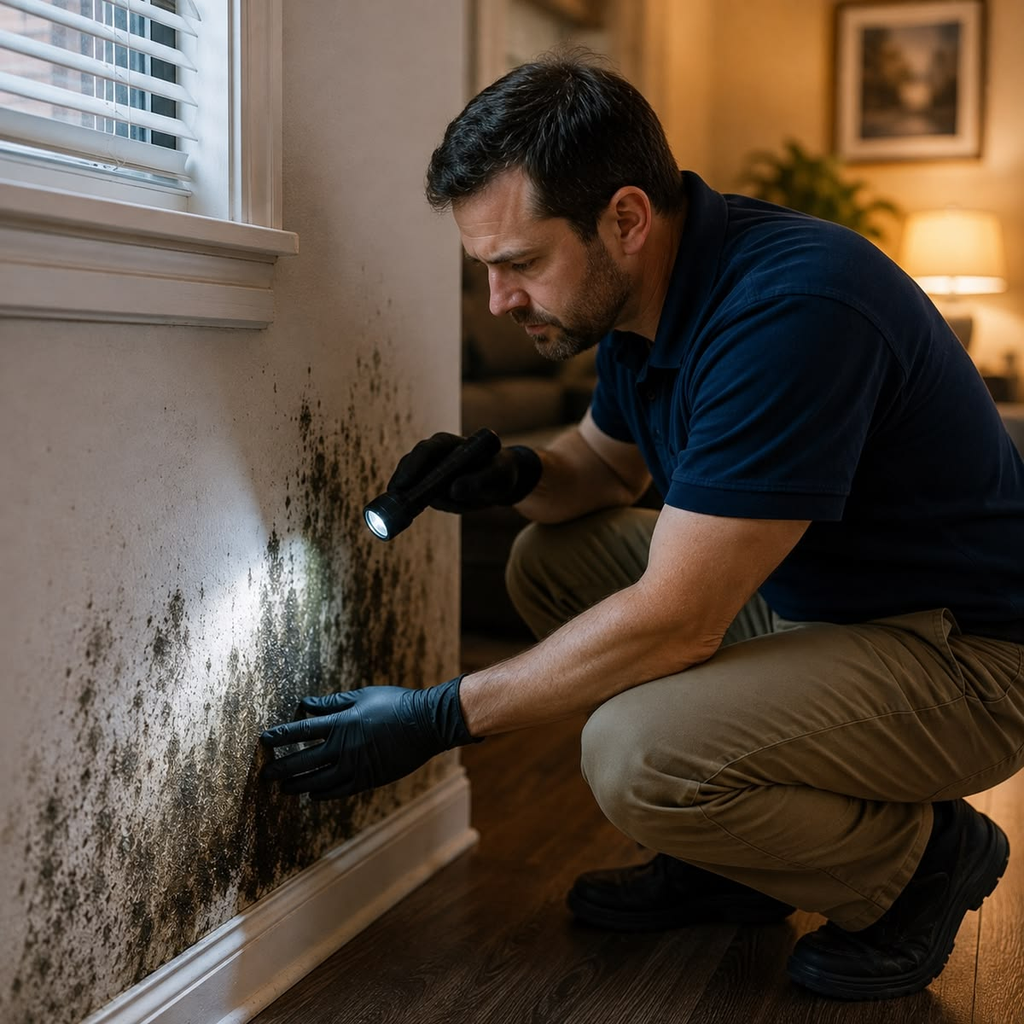
Yes. There is no rule that stops you from selling a home because it has mold. You can sell a house with mold the same way you can sell a house with a bad roof or an old furnace.
What matters is how you handle it. You must be honest about what you know, and you must choose a buyer who is comfortable with the problem.
Some buyers will walk away the moment they see it. Others will make an offer and plan to fix it themselves. Your job is to find the second kind.
First, Understand What Kind of Mold You Have
Not all mold is the same, and not all mold is a disaster. Before you decide how to sell a house with mold, learn what you are dealing with.
Mold is a type of fungus that grows where there is moisture. The Environmental Protection Agency explains that mold needs a damp spot to grow, and the key to stopping it is controlling moisture. You can read the basics in the EPA guide to mold, moisture, and your home.
A small patch of mold on a bathroom ceiling is a very different problem from mold spread across a basement or behind walls. Both the size and the cause matter.
Here are the most common places owners find it.
#1. Basements and crawl spaces. These stay damp and often have poor airflow.
#2. Bathrooms. Steam, leaks, and weak fans create perfect conditions.
#3. Attics. Roof leaks and poor ventilation let moisture build up.
#4. Behind walls and under floors. Hidden plumbing leaks can grow mold for months before anyone notices.
#5. Around windows. Condensation and bad seals can leave dark spots on frames and drywall.
Why Mold Scares Buyers
When you try to sell a house with mold, the first thing to understand is why buyers react so strongly. Mold brings health worries, hidden costs, and fear of the unknown.
The Centers for Disease Control and Prevention notes that mold can cause problems like stuffy noses, wheezing, and irritated eyes and skin in some people. People with asthma or allergies can react more strongly. The CDC explains this on its mold and health page.
Buyers also worry about what they cannot see. If mold is on the surface, they wonder what is behind the wall. That fear is why a mold problem can scare off buyers who would have loved the house otherwise.
The fear is also why plain honesty works best. When you explain what you found and what caused it, you replace fear with facts.
Your Legal Duty to Disclose Mold
This is the part you cannot skip. When you sell a house with mold, you must be honest about what you know.
Sellers of homes in our state have to complete a written disclosure report for the buyer. The form asks about known defects, such as leaks and water problems. Since a 2022 update, it also asks whether you are aware of unsafe mold conditions in the home. Illinois Realtors covered the change in its 2022 legislative scorecard.
The rule is simple. If you know about a problem, you write it down. Hiding it can lead to a lawsuit after closing, and that costs far more than any repair.
Disclosure works on what you actually know. You are not expected to be a mold expert, but you cannot pretend you never saw the stains or smelled the damp air.
Talk to a real estate attorney before you fill out the form if you are unsure how to answer. It is a small cost that protects you from a big risk.
What Happens If You Hide It
Some owners think they can cover mold with paint and hope nobody notices. That is a mistake.
Fresh paint over a damp spot is a red flag to any inspector. Buyers often find the problem during a home inspection, and then trust is gone.
If the buyer finds it after closing, you could face a claim for hiding a known defect. Legal fees, repair costs, and damages can add up quickly. Our post on selling a house with hidden problems explains why honesty protects you.
It is always cheaper to sell a house with mold openly than to hide it and pay later.
Find the Cause Before You Do Anything Else
Mold is a symptom. The real problem is moisture. If you do not fix the source, mold will come back, no matter how well you clean it.
A buyer will ask what caused it. If you can answer clearly, you are far ahead of most sellers. If you cannot, the buyer will assume the worst.
Common causes include these.
#1. A leaking roof or gutters. Water gets in and stays in.
#2. A plumbing leak. Slow drips inside walls can go unnoticed for a long time.
#3. Basement seepage or flooding. Heavy rain and poor drainage are common in our area.
#4. High indoor humidity. Weak ventilation lets moisture settle on surfaces.
#5. A past flood or storm. Our post on cash offers for storm-damaged houses explains how storms affect value.
If water damage is behind your mold, you may also want to read our guide on how to sell a water-damaged house in Will County. Many of the same ideas apply across Chicago Southland.
How Much Does Mold Cleanup Cost?
Cost is the biggest question owners ask when they plan to sell a house with mold. The honest answer is that it varies a lot.
A small, surface-level problem might cost a few hundred dollars to clean. Widespread mold, or mold that has damaged drywall, flooring, or framing, can cost several thousand dollars or more.
Remember that cleaning is only part of the bill. You may also pay for testing, fixing the moisture source, and replacing damaged materials. Repairs can grow quickly once walls are opened.
The EPA suggests that small areas of mold, roughly 10 square feet or less, can sometimes be handled by the homeowner. Larger problems usually call for a professional. Always get written quotes before you decide.
If the cost feels huge, that is normal. It is also exactly why many owners decide to sell a house with mold as is, instead of paying for the full fix.
Should You Fix It Before You Sell?
This is the big decision. Fixing the problem can help, but it is not always the smartest choice.
Fixing makes sense when the problem is small, the repair is cheap, and the house is otherwise in good shape. A clean report can calm buyers and widen your pool.
Selling as is makes more sense when the damage is large, the cost is high, or you are short on time or money. Our guide on whether to fix up your house or sell as is can help you weigh it.
Here is a simple way to think about it. Compare what you would net after repairs to what you would net as is. Do not forget the extra months of mortgage, taxes, and utilities while you wait for work to finish.
Our post on selling a house as is vs. making repairs walks through that math. You can also read about the financial benefits of selling as is.
Five Ways to Sell a House With Mold
You have more than one path. The right one depends on your timeline, your budget, and how bad the problem is. Here are the five most common options.
#1. Sell to a Cash Home Buyer
This is often the fastest and simplest way to sell a house with mold. A cash home buyer purchases the home as-is, so you don’t have to clean, repair, or test anything first. Learn more about what a cash home buyer is before you decide.
The buyer looks at the house, estimates the repair cost, and makes an offer. You can often close in a few weeks.
The tradeoff is price. The offer is usually below what a fully repaired house would bring, because the buyer takes on the work and the risk. Our post on how a cash offer is calculated shows how that math works.
#2. Fix It and List With an Agent
If the mold problem is small and the house is in good shape, you can clean it, fix the cause, and list normally. A professional report can show buyers the issue is solved.
This route can bring the highest price. It also means paying for repairs up front, then waiting through showings and buyer loans.
Be ready for tougher inspections. Mortgage buyers and their lenders can raise moisture concerns, which can delay or kill a deal.
#3. List It As Is With an Agent
You can list the house at a lower price and tell buyers it is sold as is. Some investors and handy buyers will look at it.
This keeps you from paying for repairs, but you still deal with showings, negotiations, and a long wait. Many buyers will still ask for credits or walk away after inspection.
Our post on what sell as is really means explains what you are agreeing to, and what you are not.
#4. Sell to a Local Investor or Contractor
Local investors and contractors know how to handle mold. They have crews, supplies, and the experience to fix it for less than a homeowner would pay.
That makes them natural buyers when you need to sell a house with mold. They see a project, not a threat.
Make sure the person is a real buyer and not a middleman. Our guide on cash buyers vs. wholesalers shows you how to tell the difference.
#5. Sell to Someone You Know
A neighbor, relative, or friend with building skills may want the house. This can work well, since trust is already there.
Put everything in writing, including that the buyer knows about the mold. Use a title company or attorney to close.
A friendly deal still needs full disclosure. Skipping it can ruin the relationship and expose you to a claim.
Cash Buyer vs Realtor When There Is Mold
Many owners wonder which route is better. The answer depends on how bad the mold is and how fast you need to move.
A realtor can bring more buyers and possibly a higher price on a clean, lightly affected home. But most mortgage buyers do not want a mold problem, and that shrinks your pool.
A cash buyer does not need a bank to approve the loan. That means fewer delays and fewer chances for an inspection to kill the deal. If your home has real damage, a cash sale is often the smoother path.
Our post on cash buyer vs realtor for water damaged homes breaks down the tradeoffs. You can also read our general guide on cash buyer vs realtor.
How Mold Affects Your Home’s Value
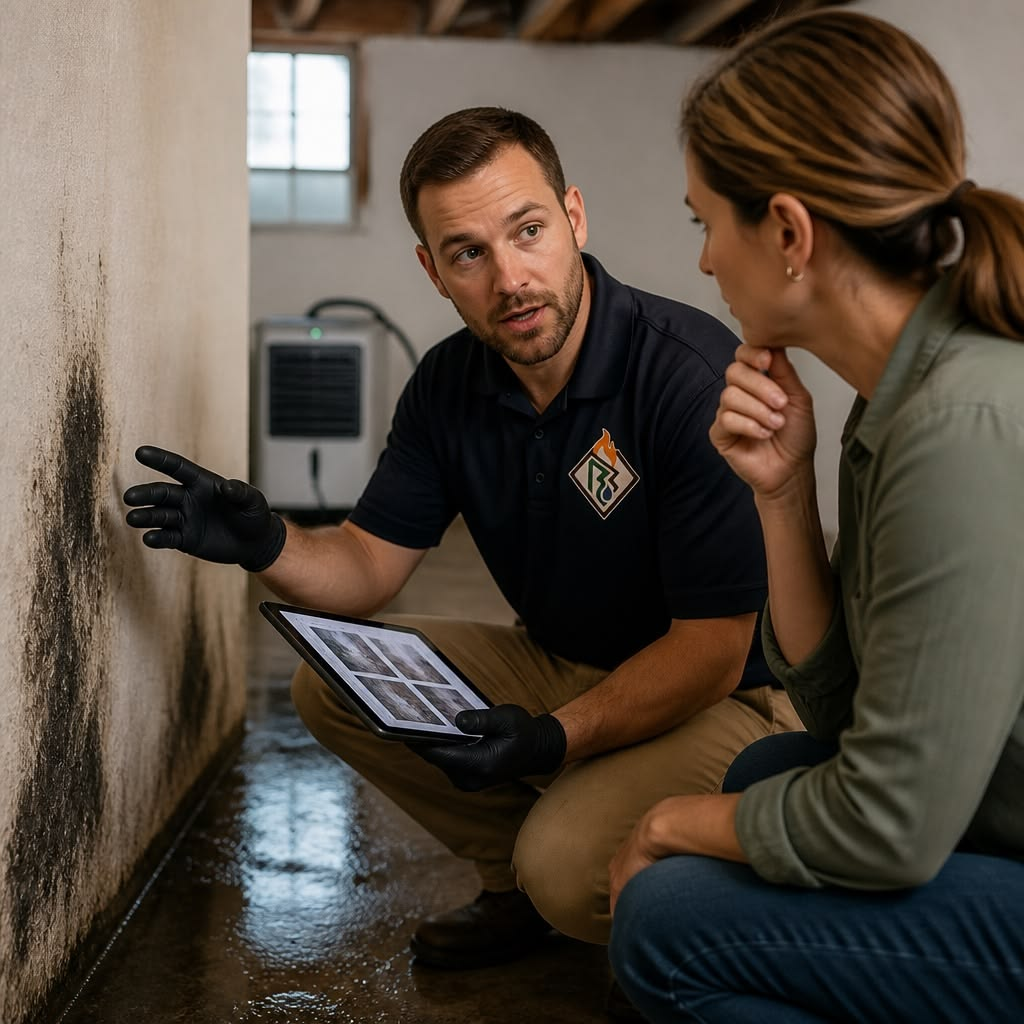
Mold lowers value in two ways. First, there is the cost to fix it. Second, there is the fear factor that makes buyers nervous.
A buyer will usually subtract the repair estimate, then add a cushion for surprises. That cushion is the price of uncertainty.
This is why a clear explanation of the cause and the fix can raise your offer. When buyers can see the scope, they cut the cushion. When they cannot, they cut deeper.
A written estimate from a mold professional can help. So can photos, repair receipts, and a clear story of what happened. Documentation turns a scary problem into a manageable one.
What Buyers Will Look For
Any smart buyer will inspect the house closely. Knowing what they check helps you prepare.
#1. Visible stains and growth. Dark spots on walls, ceilings, and corners are easy to spot.
#2. Musty smells. A damp odor often signals hidden moisture.
#3. Water stains. Rings on ceilings or floors point to leaks.
#4. Soft or warped materials. Spongy drywall, buckled floors, and peeling paint can mean water damage.
#5. The source of the water. The roof, plumbing, and drainage are all checked.
For a closer look at how buyers view a home, read our post on the home buyer walkthrough. It shows what happens during that first visit.
Will a Mortgage Buyer Be Able to Buy It?
This is a key reason why it is hard to sell a house with mold on the regular market. Many buyers use loans, and lenders care about the home’s condition.
An appraiser may note moisture or mold damage in their report. A lender can then require repairs before funding the loan. That can delay closing or end the deal.
Some loan types have stricter condition standards than others. If a buyer cannot get approved because of the mold, the sale falls apart, and you are back to square one.
Cash buyers avoid this problem because there is no lender and no appraisal. That is why so many owners choose a cash sale when they sell a house with mold.
Does Insurance Cover Mold?
It depends on the policy and the cause. Many homeowner policies cover mold only when it comes from a sudden, covered event, like a burst pipe.
Mold from slow leaks, poor upkeep, or high humidity is often excluded. Flood damage usually needs separate flood coverage.
Check your policy and call your agent before you start any work. If a claim is possible, you may not want to disturb the damage until the insurer has seen it.
An insurance payout can fund repairs, which might change your decision. If you are not covered, selling as is may be the more realistic path.
Taxes and Closing Costs
Your costs do not end with the mold. You also need to plan for the usual costs of selling.
Sellers commonly pay for title work, transfer taxes, and prorated property taxes. If there is an agent, commissions are added. Our guide on who pays closing costs explains the usual split.
You may owe tax on any profit, though many owners qualify for an exclusion if they lived in the home long enough. The IRS explains the rules in Publication 523.
Run the numbers early. When you sell a house with mold, knowing what you will truly walk away with helps you judge each offer fairly.
Step by Step: How to Sell a House With Mold
If you decide to move forward, follow a simple plan. Here is how to sell a house with mold from start to finish.
#1. Document the problem. Take clear photos and write down when you found it and what you know about the cause.
#2. Stop the moisture. Fix any active leak so the problem does not get worse.
#3. Get a professional opinion. A mold inspector or contractor can tell you how big the problem is and what it will cost.
#4. Decide whether to repair or sell as is. Compare your net under both choices, including time and carrying costs.
#5. Gather your paperwork. You will need the deed, mortgage details, tax bills, and disclosures. Our list of documents you need to sell a house covers everything.
#6. Complete your disclosure honestly. Share what you know. When in doubt, ask an attorney.
#7. Choose your buyer type. Match the buyer to your goals, not just to the biggest number.
#8. Compare offers. Look at price, timeline, and conditions. Our guide on how to compare cash offers shows what to check.
#9. Sign a written contract. Include the closing date, the price, and a clear statement that the sale is as is.
#10. Close with a title company or attorney. They confirm the title is clear and handle the funds.
Special Situations: Inherited, Rental, and Vacant Homes
Mold shows up most often in houses that sit empty or get little care. That is why it is common in a few specific situations.
If you inherited a house that has been closed up for months, damp air can build up quickly. See our situation page on how to sell an inherited house in Chicago Southland for guidance.
If you own a rental, tenants may not report leaks right away. Our page on how to sell a tenant-occupied rental in Chicago Southland explains how these sales work.
Vacant homes are also at risk. Our post on cash home buyers for vacant houses covers what to expect when nobody is living there.
In all of these cases, you can still sell a house with mold. The key is to move before the damage gets worse.
Mistakes to Avoid
A few common mistakes can turn a bad situation into a costly one. Avoid these.
#1. Painting over it. Cover-ups hide the problem for a short time and create legal trouble later.
#2. Ignoring the moisture source. If the cause is not fixed, the mold returns.
#3. Hiring the cheapest contractor. Poor cleanup can spread spores and make things worse.
#4. Skipping disclosure. This is the most expensive mistake of all.
#5. Waiting too long. Damage grows over time. Our post on waiting too long to sell a house explains what delay can cost.
#6. Taking the first offer without checking. Compare it to your real numbers and your other options.
Scams and Red Flags
Owners with problem houses attract people looking to take advantage. Stay alert when you plan to sell a house with mold.
#1. Buyers who pressure you to sign right now. Honest buyers let you read everything.
#2. Requests for upfront fees. You should never pay to receive an offer.
#3. Offers that change after the inspection. Some buyers promise a high price, then cut it sharply at the last minute.
#4. Vague company information. A real business is easy to look up.
#5. Wire instructions that change at the last minute. Always confirm by phone using a number you trust.
Before you work with anyone, check them out. Our guide on how to verify a local home buyer shows you how. You can also read whether selling a house for cash is a scam for more detail.
What If the House Also Has Other Problems?
Mold rarely travels alone. Water problems often come with other damage, like rotted wood, failing drywall, or code issues.
If your home has several problems, a traditional sale gets harder. Each issue gives a buyer another reason to cut the price or walk away.
A buyer who purchases as is can look at the whole picture at once. Our post on selling a house fast without repairs explains how this works. If your home has city or county violations, see our guide on selling houses with code violations in Cook County.
You can still sell a house with mold even when other problems are in the mix. The right buyer prices everything together and takes care of the work.
Who Should Sell a House With Mold As Is?
Selling as is is not right for everyone. It fits best in certain situations.
It makes sense if the damage is extensive, repair costs are high, or you are short on cash or time. It also helps if you inherited the house, live far away, or just want to be done.
It may not be the best fit if the mold is minor, the house is in good shape, and you have time to fix it and list. In that case, a repair and listing could bring more money.
If your home has been sitting unsold, read our post on why a house won’t sell on the market. Mold might be a hidden reason buyers keep walking away.
The Bottom Line
You can sell a house with mold. It is legal, it is common, and many homeowners in Chicago Southland do it every year. The best path depends on how bad the damage is, how much time you have, and how much you want to spend.
Be honest about what you know, fix the source of the moisture if you can, and compare your options side by side. A cash sale can save time and stress, while a repair and listing can bring more money when the problem is small.
If you want a simple, no-pressure offer so you can see your real numbers, start at Sell To Dynasty. We will tell you honestly whether selling directly makes sense for your situation.
Frequently Asked Questions

1. Can you sell a house with mold in it?
Yes, you can. Mold does not make a home unsellable. Many buyers, especially investors and contractors, purchase homes with moisture and mold problems because they know how to fix them. The key is choosing the right buyer and being honest about what you know.
You cannot hide the problem. When you sell a house with mold, you must complete the seller disclosure report truthfully. The form asks about known leaks, water problems, and, since a 2022 update, unsafe mold conditions.
Your price will likely be lower than a clean home, since buyers will subtract the cost of repairs and the risk of surprises. A clear explanation of the cause and a written repair estimate can help you get a better offer.
2. Do I have to tell buyers about mold?
Yes, if you know about it. Sellers in our state must provide a written disclosure report listing known defects, and the form now asks about unsafe mold conditions. The duty is based on your actual knowledge, so you cannot ignore stains, smells, or past leaks you have seen.
Hiding mold can lead to serious trouble. A buyer who finds it after closing may sue for the repair costs and damages, and your legal fees can pile up fast. That is far more expensive than selling openly.
If you are unsure how to answer a question on the form, speak with a real estate attorney before you sign. Disclosure protects you as much as it protects the buyer.
3. Do I have to remove mold before I sell?
No. You are not required to remove it. You can sell a house with mold as is, as long as you disclose what you know and the buyer agrees to purchase it in that condition.
Whether you should remove it is a business decision. If the problem is small and cheap to fix, cleaning it up can widen your pool of buyers and raise your price. If the damage is large, the repairs may cost more than you would gain.
Compare your net both ways. Add up repair costs, months of mortgage and tax payments, and the time you would wait. Our guide on fixing up a house or selling as is can help you run the numbers.
4. How much does mold reduce the value of a house?
There is no fixed percentage, because every case is different. The drop depends on how much mold there is, what caused it, how much damage it did, and how scared buyers are. A small surface issue may barely move the price, while widespread damage can cut it deeply.
Buyers usually take the estimated repair cost and then add extra for risk. That extra is the price of the unknown. If you can show a clear cause, a fix, and written estimates, you can shrink that cushion.
Getting a professional opinion before you list helps you set a realistic price. It also lets you compare any offer against real numbers instead of guesses.
5. Will a bank give a mortgage on a house with mold?
It can be difficult. Lenders want the home to be in sound condition, and an appraiser may note moisture or mold damage. The lender can then require repairs before funding the loan, which can delay or end a sale.
That is one reason it is hard to sell a house with mold to buyers who need financing. Even if a buyer loves the home, loan approval may fail because of condition issues.
Cash buyers avoid this problem. With no lender and no appraisal, there is no bank to object. This is why a cash sale is often the smoother path for homes with real water or mold damage.
6. Is it better to sell to a cash buyer or list with a realtor?
It depends on the size of the problem and your timeline. A realtor can get you a higher price when the mold is minor and the house is otherwise in good shape. But you will deal with showings, inspections, and buyers whose loans may fall through.
A cash buyer purchases as is. No cleanup, no repairs, and no waiting on a lender. Offers are usually lower, but you skip commissions, repair bills, and months of carrying costs.
Ask for a written cash offer, then estimate what you would net after repairs and a listing. Our guide on how to compare cash offers shows what to check beyond the price.
7. How fast can I sell a house with mold?
It depends on how you sell. A traditional listing often takes a couple of months, and mold can slow it down further because of inspection issues, repair requests, and buyer loan problems. Some deals fall apart and have to start over.
A cash sale can move much faster. With a clear title and a ready buyer, many sales close in a few weeks. You can also pick a closing date that fits your life.
Speed is useful because mold gets worse over time. Our post on how long selling a house for cash takes gives realistic timelines.
8. Does homeowners insurance pay for mold removal?
Sometimes. Many policies cover mold only when it comes from a sudden, covered event, such as a burst pipe. Mold caused by slow leaks, poor upkeep, or high humidity is often excluded, and flood damage usually needs separate flood coverage.
Read your policy and call your agent before you start any work. If a claim may be possible, take photos and ask the insurer what they need before you clean anything up.
If insurance pays, you may be able to fix the problem and list the home. If it does not, selling as is may be the better option. Either way, you can still sell a house with mold.
9. What should I do first if I just found mold?
Start by finding and stopping the source of the moisture. If water is still leaking, mold will keep growing no matter how often you clean it. Take photos of the damage and write down what you know about when it started.
Next, find out how big the problem is. For a small patch, cleaning may be enough. For a larger area, hire a qualified professional to test and assess it, and get written quotes for the work.
Then decide whether to repair or sell as is. Gather your documents, be honest in your disclosure, and compare your options. Acting early keeps costs down and gives you more choices when you sell a house with mold.