
Seeing a crack run across a wall or feeling a floor sag underfoot can be scary for any owner. The first thought is often that the house can no longer be sold. That is not true.
You can sell a house with structural damage. Buyers do it every year, and investors do it every day. What matters is how you sell, who you sell to, and how honestly you describe the problem.
This guide explains what structural damage really means and how to tell a minor crack from a serious one. It covers what you must tell buyers, what a structural engineer does, and the four main ways to sell. It uses plain language so you can decide without guessing.
Yes, You Can Sell a House With Structural Damage
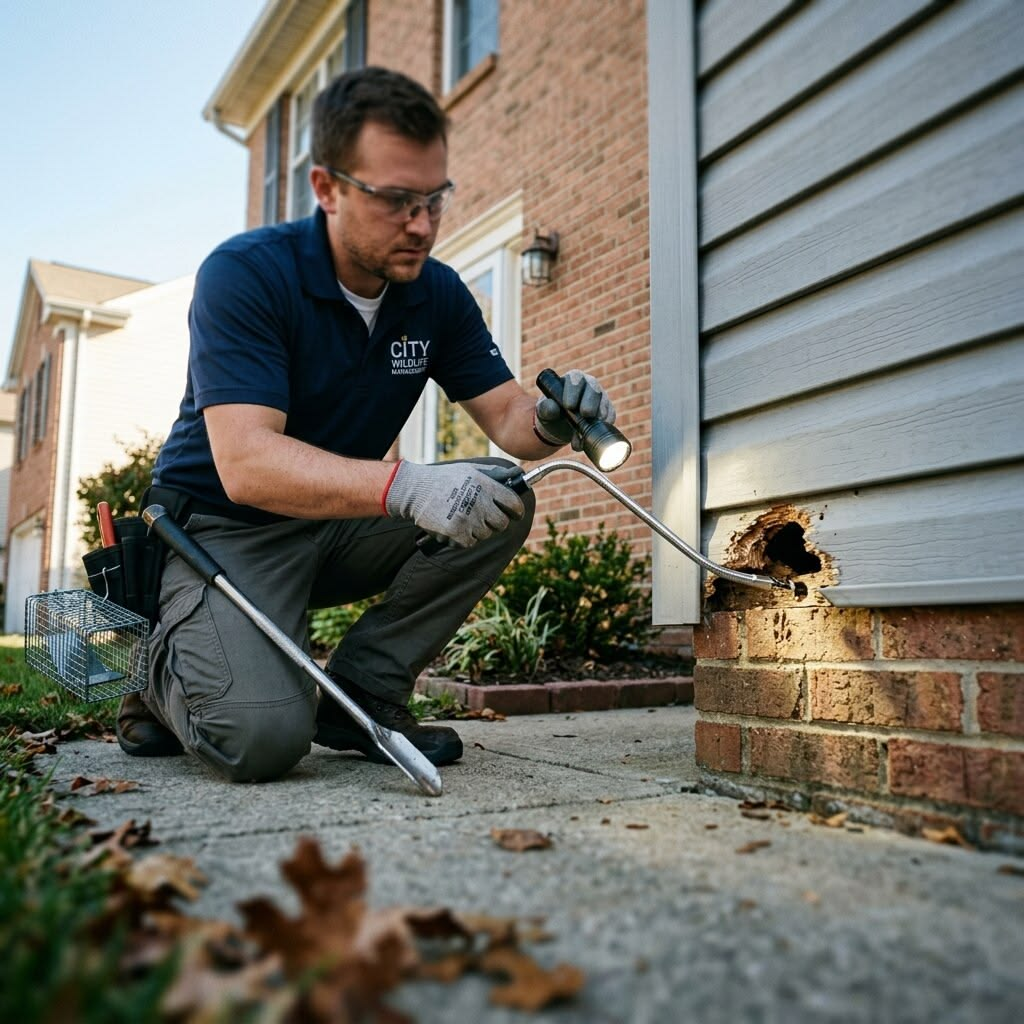
Can you sell a house with structural problems? Yes. No rule says a home must be perfect before it goes on the market. Damaged homes sell all the time, usually for less and to a smaller group of buyers.
The hard part is the path to closing. When you sell a house with structural damage through a regular listing, the buyer’s inspector, lender, and insurance company all get a vote. Any one of them can slow the sale or stop it.
A direct sale to a cash buyer removes most of those steps. The buyer looks at the house, prices the repairs, and makes an offer. We cover that path later in this guide.
Whichever way you go, one rule never changes. You must be honest about damage you know about. Our guide on what selling as is really means explains why “as is” does not mean “hide it.”
What Structural Damage Actually Means
A house has a skeleton. The foundation sits at the bottom. Floor joists and beams carry the floors. Walls carry weight down to the foundation. Roof framing holds up the roof and carries loads from snow and wind.
Structural damage means one of those parts is weakened, moved, or broken. That is different from cosmetic damage, like peeling paint or a small crack in plaster. A cosmetic flaw bothers the eye. Structural damage can affect safety.
This article focuses on floors, walls, and roof framing. If your main worry is the foundation itself, see our post on how to sell a house with foundation problems. Many homes have trouble in both places, since a moving foundation often shows up first in the walls and floors above it.
Signs of Structural Damage Inside and Outside the House
Only a licensed professional can say for sure whether something is structural. Still, some warning signs are easy to spot. If you see several together, take it seriously.
Sagging, Sloping, or Bouncy Floors
A floor that slopes, dips, or feels bouncy can mean stress in the framing. Causes include damaged joists, weak subflooring, or movement below the house.
Owners who want to sell a house with sagging floors should know buyers notice it quickly. A marble rolling across the room is a common test, and inspectors know it.
Cracks in Walls and Ceilings
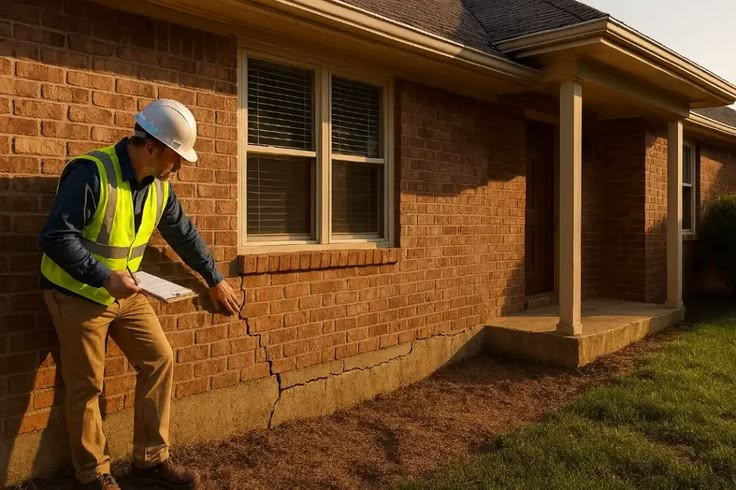
Not every crack is a crisis. Small hairline cracks are common as a house settles. Cracks deserve more attention when they are wide, growing, or diagonal, especially when they start at the corners of doors and windows.
Stair-step cracks in brick or block walls are another warning sign. So are cracks where walls meet ceilings or floors, and nails pushing out of drywall. Angi’s guide to signs of structural damage explains that cracks are among the most common signs, but not all of them mean serious trouble.
Bowing or Leaning Walls
A wall that bulges inward or leans is a bigger warning. It can mean soil pressure, water, or failed framing. Basement walls that bow or crack horizontally get special attention from inspectors.
If you notice a wall leaning, do not wait. Call a structural engineer and ask whether the room is safe to use.
Doors and Windows That Stick
Doors that will not latch and windows that will not open can mean the frame has shifted. The openings are no longer square. One sticky door can be a humid summer. Many sticky doors, plus cracks or sloping floors, can indicate movement.
Sagging Roof Lines and Ceilings
Look at the roof from the street. A roof ridge that dips, or a ceiling that bulges or sags, can point to damaged rafters, trusses, or supports. Leaks that go unfixed for years often lead to rot in the framing.
A leaning or cracked chimney is another outside sign worth checking.
What Causes Structural Damage in a Home
Knowing the cause helps you explain the problem to buyers. It also helps you judge how bad it is. These are the most common causes.
#1 Water and rot. Long-term leaks soften wood framing and subfloors. A damp crawl space or an old roof leak can do years of quiet harm. See our guide on how to sell a water-damaged house.
#2 Soil and drainage. Shifting soil or water pooling around the house can move the foundation and pull the framing out of line.
#3 Remodels gone wrong. Someone removes a load-bearing wall or cuts into a joist for a pipe. Sagging floors and roofs can come from removed load-bearing walls or damaged framing. If that work was done without permits, read our post on how to sell a house with unpermitted work.
#4 Insects and decay. Wood damaged by insects or rot at key support points weakens the structure.
#5 Storms and impact. Wind, a fallen tree, or a vehicle can damage the frame. Our post on a cash offer for a storm-damaged house covers that situation.
Is the House Safe to Live In?
Safety comes before price. If floors bounce badly, walls lean, or the roof sags, get a professional opinion before you or anyone else spends time inside.
Ask the engineer directly whether the house is safe to occupy while you sell. If the answer is no, that changes your plan. A damaged vacant house can lose value faster, and utilities, taxes, and insurance keep running.
Most structural problems are not emergencies. Many are slow and stable. The point is to know, not guess.
Get a Structural Engineer’s Report Before You Decide
A general home inspector spots visible signs and flags them. A licensed structural engineer goes further. The engineer determines the cause, severity, and needed repairs, then writes a report.
This Old House describes the process as an on-site visit that takes about 90 minutes and includes checking interior walls and floors. The report explains what damage was found and what repairs are recommended.
Cost varies. One national cost guide puts a foundation-focused engineer inspection at roughly $400 to $700. Prices depend on the size of the house and the scope of the visit, so ask for a quote.
A structural engineer report before selling is not required by law. It is still one of the best tools you have. It replaces fear with facts, and it gives every buyer the same information.
The report can also show that your problem is smaller than you thought. A cracked wall may turn out to be settling that stopped long ago. That could save you thousands in the price you accept.
How Structural Damage Hurts a Regular Listing
When you list with an agent, four things decide whether the sale closes. Structural damage can trip each one.
#1 The buyer’s inspection. The inspector writes up the damage. Buyers then ask for repairs, credits, or a lower price. Many ask for an engineer’s report before they continue.
#2 The appraisal. If the buyer has a loan, the appraiser looks at the home’s condition. Serious damage can lower the value or raise safety concerns.
#3 The lender. A lender may refuse to fund a loan on a damaged house until repairs are done.
#4 Insurance. A financed buyer needs homeowners insurance to close. Insurers may decline or add conditions when they see signs of structural trouble.
So will a bank finance a house with structural damage? Sometimes, but it is harder. That is the biggest risk when you sell a house with structural damage on the open market. The deal can fall apart late, after your house has been off the market for weeks.
Our guide to selling a house with hidden problems explains why problems found late cost more than problems you share early.
How Much Does Structural Damage Lower Your Home’s Value?
There is no fixed number. Buyers subtract the likely repair bill. They also add a cushion for risk, because they cannot see inside the walls or floors.
That cushion is where an engineer’s report helps. A clear report with a repair plan gives a buyer something real to price. Without it, buyers tend to assume the worst case.
Damage that is limited and well explained lowers value less than damage no one can describe. If you plan to sell a house with structural damage, expect every buyer to price the unknown too.
What You Have to Tell Buyers
Do you have to disclose structural problems when selling a house? In most cases, yes, if you know about them. State law requires sellers of most residential property to complete a disclosure report.
Under the Residential Real Property Disclosure Act, the seller discloses material defects they actually know about. The seller does not have to launch an investigation to find new ones.
The official disclosure form asks about material defects in the walls and floors, among other items. It also says the report does not limit the right to sell a home in “as is” condition.
A “material defect” is a condition that would seriously hurt the home’s value or the health and safety of future occupants. You give the report to the buyer before the contract is signed. You must update it before closing if something changes.
In plain terms, if you know a floor is sagging or a wall is bowing, say so. Whether you sell a house with structural damage to a retail buyer or a cash buyer, hiding a known problem is the real danger. Sell To Dynasty is not a law firm, so ask a real estate attorney how the rules apply to your sale.
Should You Repair It Before You Sell?
Both choices can be right. The answer depends on the damage, your budget, and your timeline.
Structural repairs are not like painting a room. They often involve an engineer’s plan, licensed contractors, permits, and inspections. Walls may need to be opened. Timelines can stretch for weeks or months.
Ask yourself these questions first:
#1 Will the repair raise my price by more than it costs? With structural work, the answer is often no. Buyers may still discount the home for its history.
#2 Can I pay now and wait for the sale? Repairs take cash before you see any proceeds.
#3 What if the contractor finds more? Opening a wall can reveal rot, termite damage, or old wiring. Costs can rise fast.
#4 How long can I carry the house? Mortgage, taxes, insurance, and utilities keep running while repairs and listing time drag on.
#5 Does the work need permits? In most places, it does, and permits take time. Ask your village or city hall what applies.
For many owners, the math favors selling as is. Our posts on fixing up a house or selling as is and selling a house fast without repairs walk through the numbers.
Four Ways to Sell a House With Structural Problems
#1 Repair everything, then list. You get the widest buyer pool and a better price. You also spend money first and wait through the work. This fits owners with cash, time, and a house that is otherwise in good shape.
#2 List as-is with a price cut. You skip the work and let buyers handle it. The risk is lender, insurance, and inspection trouble that can end the deal late.
#3 Fix only the urgent items. A shored-up beam or a repaired support may make the house safe and ease a buyer’s fears. The engineer can tell you what matters most.
#4 Sell for cash as-is. A cash buyer takes the house as-is and handles repairs after closing. You trade some price for speed, certainty, and no prep.
None of these is wrong. If you want to sell a house with structural damage quickly and keep the process simple, option #4 deserves a close look.
How a Cash Sale Works When the Frame Is Damaged
A cash buyer buys the house in its current condition. There is no lender, so there is no lender appraisal and no loan to fall through. The buyer builds the repair cost into the offer.
That means the offer will be below what a repaired house could bring. Be honest with yourself about that. Compare it with repair costs, months of carrying costs, and what it costs to list a house traditionally.
When you sell a house with structural damage for cash, the repair list becomes the buyer’s job. A typical cash sale follows four steps.
#1 Share the facts. Tell the buyer about the house and the damage, including anything an engineer told you.
#2 Do a walk-through. The buyer sees the property. Our guide to the home buyer walkthrough explains what to expect.
#3 Review the offer. The offer reflects the damage. Learn how cash home buyers determine offers and how to compare cash offers before you decide.
#4 Pick a closing date. You choose a date that fits your life, within reason, and close at a title company.
Want to check a buyer before you share details? Read how to verify a local home buyer first.
How to Prepare Without Spending Much
You do not need to fix the house to improve your result. Preparation lowers the buyer’s fear of the unknown, and that fear is what drives offers down.
#1 Write down the history. Note when you first saw the damage, whether it changed, and any past repairs. Keep receipts and contractor notes.
#2 Take clear photos. Photograph cracks with a ruler beside them, sloping floors, and any bowed walls. Dated photos show whether the damage is growing.
#3 Get the engineer’s report. It gives buyers facts and gives you a stronger place to negotiate.
#4 Clear the house. Easy access lets a buyer see everything. Our guide on how to clean out a house before selling helps if the house is full.
#5 Gather paperwork. Deeds, payoff information, and permits speed up closing. See what documents you need to sell a house.
Even small steps help when you sell a house with structural damage, because clear facts beat open questions.
Inherited Houses and Rentals With Structural Problems
Structural trouble is common in inherited homes. A house that sat in one family for decades may have had little upkeep. If you are handling an estate, our page on how to sell an inherited house in Chicago Southland covers your options.
Landlords face the same problem with tenants in place. Repairs are harder with people living there. Our page on how to sell a tenant-occupied rental in Chicago Southland explains the path.
In both cases, you can sell a house with structural damage without waiting for repairs or asking anyone to live through construction.
Mistakes to Avoid
#1 Hiding the damage. A fresh coat of paint over a crack does not make it go away. Buyers and inspectors often find it, and trust drops fast.
#2 Patching it cheaply. A surface fix on a structural problem can hide it without solving it. Get an engineer’s opinion first.
#3 Ignoring safety. If something seems unsafe, stop and get advice. Do not invite buyers into a room that could be dangerous.
#4 Skipping tax advice. Repair and improvement costs can be treated differently when you calculate your gain. IRS Publication 523 explains how gain on a home sale works, and a tax professional can apply it to you.
#5 Waiting too long. Structural damage tends to get worse, not better. Read our guide on waiting too long to sell a house.
Avoiding these mistakes makes it easier to sell a house with structural damage at a fair price.
Talk to Sell To Dynasty Before You Spend a Dollar
Sell To Dynasty buys homes across Chicago Southland, including houses with damage that scares off regular buyers. You do not need to repair, clean, or stage anything first.
If you want to sell a house with structural damage and keep the process simple, reach out through our website to talk through your options. You can also browse our blog for more guides, including our post on selling a distressed house versus an outdated house.
Frequently Asked Questions
#1. Can you sell a house with structural damage?
Yes. You can sell a house with structural damage in Chicago Southland, and no law says you must repair it first. The difference is who buys it. A buyer using a mortgage may face inspection, appraisal, and insurance hurdles, so the sale can take longer or fall through.
Investors and cash buyers purchase damaged homes as-is. In every case, you must be honest about problems you know about. Disclosure protects you and keeps the sale on solid ground.
#2. How do I know if a crack is serious?
Look at the size, the direction, and whether it is growing. Hairline cracks are common and often harmless. Wide cracks, diagonal cracks from door or window corners, stair-stepped cracks in brick, or horizontal cracks in a basement wall deserve a professional look.
Several warning signs together, such as a crack plus a sloping floor plus a sticking door, matter more than any one alone. Photograph the crack with a ruler and check it again in a few weeks. A structural engineer can tell you for certain.

#3. Is it worth fixing structural damage before selling?
Sometimes, but not always. Repairs can remove a big objection and widen your buyer pool. They also cost real money, take time, and may require permits and an engineer’s plan. You might not get all of that back in a higher price.
Compare written repair quotes with a likely price cut or a cash offer. For many owners, it makes more sense to sell a house with structural damage as is and let the buyer handle the work. Our guide on the financial benefits of selling as is walks through the math.
#4. Do I have to disclose structural problems to buyers?
In most cases, yes, if you know about a material defect. State law requires sellers of most residential property to complete a disclosure report, and the form asks about defects in the walls and floors, among other items.
You are not required to investigate for hidden problems, but you cannot hide ones you know about. If you are unsure whether something counts, disclose it and ask a real estate attorney. Sell To Dynasty is not a law firm, and this is general information, not legal advice.
#5. Will a bank give a loan on a house with structural damage?
It can, but it is harder. A lender usually relies on an appraisal, and serious damage can lower the value or raise safety concerns. The lender may require repairs or an engineer’s report before it funds the loan.
Some buyers cannot get insurance until the damage is fixed. That uncertainty is why many sellers with structural problems prefer a buyer who does not need a loan. If your buyer is financed, ask early what the lender will require so there are no surprises at closing.
#6. How much does structural damage reduce the value of a house?
There is no single figure. Buyers usually take the estimated repair cost and add a cushion for risk and hassle.
The less they know, the bigger the cushion. A clear engineer’s report with a repair scope can shrink the discount, because buyers can price the real problem instead of the feared one. Damage that is limited, stable, and well documented lowers value less than damage no one can explain. Comparing several offers is the best way to see what the market will pay.
#7. Can I sell a house with sagging floors?
Yes. You can sell a house with sagging floors, but expect buyers to ask what is causing it. The cause could be minor, such as a settled joist, or serious, such as rot or a removed support.
An engineer can tell you which. Once you know, you can disclose it honestly and decide whether to repair or sell as is. Buyers who need a mortgage may hesitate, while cash buyers factor the repair into their offer.
#8. How fast can I close on a house with structural damage?
A cash sale can often close faster than a financed one because there is no lender, appraisal, or loan approval. The real timeline depends on your title work, any mortgage payoff, and the date you choose.
When you sell a house with structural damage for cash, the damage does not hold up the schedule. Our guide on how long selling a house for cash takes breaks down each step.
#9. Will a cash buyer pay full market value for a damaged house?
No, and an honest buyer will tell you that up front. The offer reflects the repairs, the risk, and the time the buyer takes on. In return, you skip repair costs, listing costs, carrying costs, and the chance of a failed deal.
To judge an offer, compare it with what you would net after fixing and listing the house. Read what counts as a lowball offer and whether you can negotiate a cash offer before you decide.