
Finding a crack in your basement wall is a sinking feeling. You start to wonder if the house is worth anything and if anyone would ever buy it.
The short answer is yes. You can sell a house with foundation problems in the Chicago Southland, and owners do it every month.
This guide explains what buyers think, what Illinois law requires you to disclose, what repairs cost, and how to sell a house with foundation problems without giving it away. It is written for homeowners, heirs, and landlords who want straight answers and a clear next step.
The Short Answer: Yes, But Your Buyer Changes
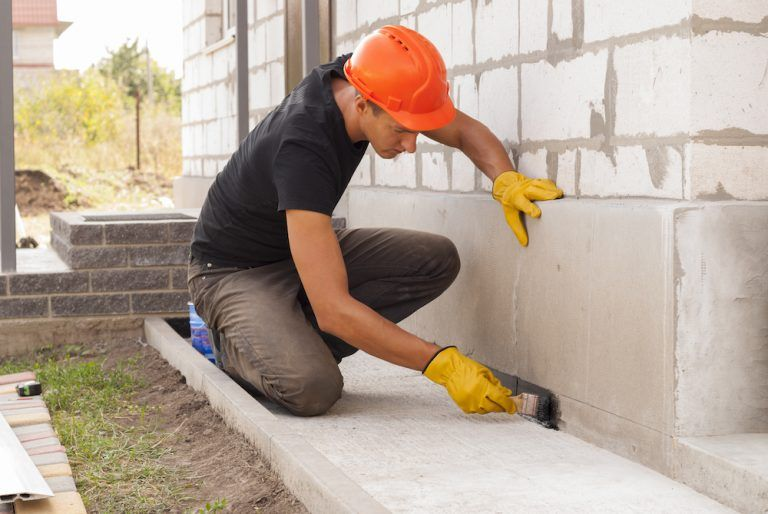
Foundation trouble does not make a house unsellable. It changes who will buy it, what they will pay, and how the sale works.
A buyer using a regular mortgage will struggle. An investor or cash buyer usually will not. Most of this article is about choosing the right buyer for your situation.
If you only remember one thing, remember this. The worst way to sell a house with foundation problems is to hide the problem or guess at it. The best way is to learn the facts first.
Is It Really a Foundation Problem?
Not every crack is serious. Concrete shrinks as it cures, so thin hairline cracks are common in older Chicago Southland homes and are often harmless.
Real trouble looks different. These are the signs that deserve a closer look.
#1 Horizontal cracks across a basement wall, which can mean soil is pushing the wall inward.
#2 Stair-step cracks in brick or block walls.
#3 Doors and windows that stick or no longer close right.
#4 Floors that slope, sag, or feel bouncy.
#5 Gaps between walls and the ceiling or floor.
#6 A chimney, porch, or garage pulling away from the house.
#7 Basement walls that bow or lean.
One sign on its own may be nothing. Several together means you should get the house checked before you talk to any buyer. If you are not sure what else might be hiding, our post on selling a house with hidden problems can help you think it through.
Why Foundations Fail in the Chicago Southland
Much of our area sits on heavy clay soil. Clay swells when it is wet and shrinks when it dries, and that movement pushes and pulls on basement walls.
Add the freeze-thaw cycles of our winters, a high water table in many neighborhoods, and older block walls. Then add clogged gutters and poor grading that dump water next to the house.
Water is behind most foundation damage. That matters because the cause decides the fix, and the fix decides the cost. A wall pushed by wet soil needs a different repair than a corner that settled unevenly.
Get a Real Diagnosis First
Do not guess how bad it is. Buyers picture the worst case, and a vague problem always sounds bigger than a documented one.
Hire an independent structural engineer. An engineer studies the house, writes a report, and does not sell you the repair. The cost is usually a few hundred dollars up to around a thousand, depending on the house.
Foundation repair companies give free estimates, but they also want the job. Use their bids as a second opinion, not your only source. Illinois licenses home inspectors, and the Illinois Department of Financial and Professional Regulation lets you check that someone is licensed.
A report changes the conversation. When you sell a house with foundation problems with a written diagnosis in hand, buyers negotiate on facts instead of fear.
What Illinois Law Says You Must Tell Buyers
Most sellers of homes with one to four units in Illinois must give buyers a disclosure report. The form asks whether you know of material defects in the basement or foundation, including cracks and bulges.
If you know about a problem, you must say so. Answering no when you know better can expose you to a lawsuit after closing. The Illinois General Assembly publishes the Residential Real Property Disclosure Act if you want to read the law itself.
Some sellers are exempt, such as certain executors and court-appointed sellers who never lived in the home. Ask an attorney whether you qualify before you assume anything.
Selling as is does not erase this duty. Our post on what sell as is really means explains why disclosure still applies.
Disclosure also protects you. When the problem is written down, a buyer cannot later claim you hid it, and that is the safest way to sell a house with foundation problems.
Why Regular Buyers Struggle With Foundation Damage
Most buyers need a mortgage. The lender sends an appraiser, who reports any serious structural issues.
Government-backed loans have the strictest standards, and agencies like HUD set the rules for FHA properties. Many lenders will not fund a home with active structural damage until it is fixed.
Even buyers with conventional loans usually hire an inspector. The inspector finds the foundation, the buyer asks for a big credit or walks away, and the deal collapses.
Each failed deal makes your listing look worse. Our post on why a house will not sell on the market explains how that cycle works.
None of this means you cannot sell a house with foundation problems on the open market. It means a smaller pool of buyers and more waiting.
What Foundation Repairs Cost
There is no honest price without an inspection. A single crack injection can be a small job, while wall stabilization or underpinning can climb into the tens of thousands.
These are the repairs you will hear about most often.
#1 Crack sealing or injection for minor cracks that are not moving.
#2 Wall anchors or braces for basement walls that bow inward.
#3 Carbon fiber straps to hold a leaning wall in place.
#4 Piers or underpinning to lift and support a sinking section.
#5 Drainage fixes, such as gutters, grading, sump pumps, and drain tile.
Drainage is often the cheapest part and the most important. If water keeps hitting the wall, a structural repair may fail later.
Get at least two written bids. Ask what the warranty covers and whether it transfers to the next owner. A transferable warranty can help your sale.
Should You Repair It Before You Sell?
Sometimes. If the repair is modest and the engineer says the problem has stopped moving, fixing it can widen your pool of buyers.
But repairs carry risk. Projects run late, costs run over, and there is no promise buyers will pay back what you spent.
Our guides on whether to fix up a house or sell as is, and selling as is versus making repairs, walk through the math. Here is a simple test. If the repair costs more than the extra price it creates, skip it.
Also remember permits. Many villages require them for structural work, and work done without one creates a new problem. Our post on selling a house with unpermitted work shows what that looks like at closing.
Your Four Ways to Sell
When you sell a house with foundation problems, you usually choose from four paths. Each fits a different owner.
#1 Repair it first, then list it with an agent.
#2 List it as is with an agent and negotiate.
#3 Sell it as is to a cash buyer.
#4 Keep it and fix it slowly over time.
The right path depends on the repair bill, your budget, your timeline, and how much stress you can carry. The next sections break each one down.
Path One: Fix It, Then List It
This path can cost the most. A repaired foundation with paperwork and a warranty removes a buyer’s biggest fear.
The catch is that you pay first and wait. You cover the repair, the carrying costs, the showings, and the buyer’s financing delays.
It works best when the repair is clear, the bids are firm, and you have cash to spare. It works poorly when the problem is big, or the money is tight.
Path Two: List It As Is and Negotiate
You skip the repair, but you do not skip the problem. Buyers will find it, and many will ask for a large credit or a price cut.
Listing also has its own costs, including agent commissions, carrying costs, and months of upkeep. Our guide on the cost of listing a house traditionally shows how they stack up.
You can sell a house with foundation problems this way, but you need patience. Price the house for the problem, not for a perfect home, or it will sit. Our post on why houses sit on the market explains what happens when pricing misses.
Path Three: Sell As Is to a Cash Buyer
Cash buyers are not limited by lender rules. They can buy a house with cracked walls, water in the basement, or open code issues, and they close on their own timeline.
You skip the repairs, showings, cleanup, and financing risk. In return, you accept a lower price than a fully repaired home would bring.
Our post on selling a house fast without repairs explains how this works in practice. Many owners choose this path when they cannot afford the repairs or don’t want the project.
Path Four: Keep It and Fix It Slowly
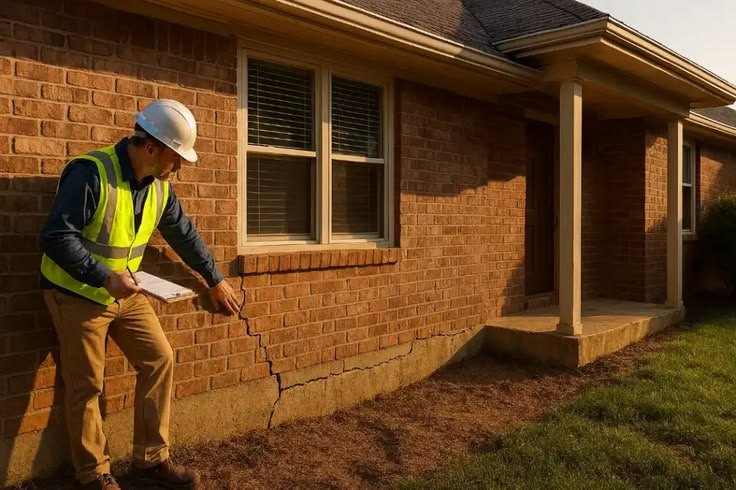
Some owners want to stay. If the engineer says the house is stable, and the issue is mostly drainage, you may be able to repair in stages.
Start with water control, then handle the structural work as money allows. Keep every report and receipt, because they will help if you sell later.
If the engineer says the damage is active and getting worse, do not wait. Delay turns a mid-sized repair into a large one.
How Cash Buyers Price Foundation Damage
A fair question is why a cash buyer pays less. The answer is that they take on the repair cost, the holding costs, and the work of reselling.
A buyer estimates what the house would be worth after repairs, then subtracts the cost of the work and a margin. You can see the logic in our post on how cash home buyers determine offers.
The smartest comparison is your net, not the sticker price. Estimate what you would keep from a repaired listing after repairs, agent fees, closing costs, and months of carrying costs. Then compare it to a cash offer with none of those costs.
Our guides on cash buyers versus realtors for outdated homes and for water-damaged homes lay out that comparison. If your property is in Will County, see our post on selling a water-damaged house in Will County.
How to Tell a Fair Offer From a Bad One
Some offers on damaged homes are fair. Others are far too low, and you should know the difference before you sign.
#1 Ask how the buyer arrived at the repair number, and ask to see it.
#2 Get every offer in writing.
#3 Compare at least two offers, so you have something to measure against.
#4 Check the buyer’s local track record and reviews.
#5 Understand how earnest money works, which our post on what earnest money is explains.
#6 Walk away from anyone who pressures you to sign fast.
Our guides on what counts as a lowball offer and whether you can negotiate a cash offer help you push back. To protect yourself further, read questions to ask a cash home buyer and how to verify a local home buyer.
Scams exist in real estate, and the Consumer Financial Protection Bureau has plain guidance on closing scams and what to watch for. Our post on whether selling a house for cash is a scam covers the local side.
What Happens With Taxes?
If you lived in the house as your main home, you may qualify for a federal exclusion on part of your gain. IRS Publication 523 explains how the rules work.
Repair costs can sometimes affect your numbers, so keep every receipt. Our guide on taxes on selling a house for cash covers the basics.
Selling a house with foundation damage does not by itself create a special tax. But the sale price and your costs still matter, so talk to a tax professional if the numbers are large.
What If You Inherited the House?
Heirs often learn about foundation trouble only after the owner has died. You may be dealing with probate, other heirs, and a damaged house all at once.
You generally cannot sell until someone has legal authority, but you can start gathering reports and offers. Our page on selling an inherited house in the Chicago Southland explains how we work with heirs, and our post on buying inherited houses in Cook County covers the process.
If family members disagree about repairing or selling, share the engineer’s report and a simple comparison of what each option would pay. Numbers settle arguments faster than opinions do.
What If You Owe More Than the House Is Worth?
A damaged foundation can drop the value below your loan balance. That puts you in a tougher spot, because a sale may not cover the mortgage.
Don’t panic, and don’t stop paying without a plan. Our guide on how to sell an underwater house explains the options, and you should talk to your lender early.
What If the City Has Already Cited the House?
Serious structural damage can trigger a notice from the village or city. Fines can build up, and some buyers will not touch a house with open violations.
Cash buyers usually will, but they price the problem in. Our post on houses with code violations in Cook County explains how violations affect a sale.
How to Sell a House With Foundation Problems, Step by Step
If you feel stuck, follow these steps in order. You do not have to do them all in one week.
#1 Stop active damage by fixing gutters, grading, and standing water.
#2 Hire an independent structural engineer for a written report.
#3 Collect at least two repair bids, so you know your real number.
#4 Complete the Illinois disclosure honestly and keep copies.
#5 Compare your net from each of the four paths.
#6 Get written offers from more than one buyer.
#7 Choose a path and review the contract before you sign.
When you sell a house with foundation problems, follow this order to protect yourself and keep more control over the price.
Mistakes That Cost Sellers Money
The most expensive mistakes come from rushing or hiding. Avoiding them is easier than fixing them.
#1 Hiding a known foundation issue on the disclosure form.
#2 Paying for a repair without a second opinion.
#3 Hiring a repair company with no license, no references, or no warranty.
#4 Skipping permits on structural work.
#5 Pricing the house like a perfect home.
#6 Taking the first cash offer without comparing.
#7 Waiting while the damage gets worse.
If you want a straight talk about your options, start with our Chicago Southland home buying page and see how we handle damaged properties.
Frequently Asked Questions

Can you sell a house with foundation problems?
Yes. You can sell a house with foundation problems in Illinois, and it happens often in the Chicago Southland. No law says a house with foundation damage cannot be sold.
What changes is who will buy it and for how much. Buyers with regular mortgages may be blocked by lender rules, while investors and cash buyers can purchase the home as is. You also must be honest about what you know, because Illinois requires sellers to disclose known foundation defects. If you follow the rules and choose the right buyer, the sale can go through.
Do I have to disclose foundation problems in Illinois?
Yes, in most cases. Illinois requires sellers of homes with one to four units to complete a disclosure report, which asks about material defects in the basement or foundation, including cracks and bulges. If you know about a problem, you must say so.
Some sellers are exempt, such as certain court-appointed sellers and some estate representatives, but do not assume you qualify. Ask an attorney. Lying or hiding a known problem can lead to a lawsuit after closing, even if the sale is as is. Writing the facts down is the safest move.
How much does foundation repair cost?
It depends on the problem, and nobody can give you an honest number without seeing the house. A small crack injection can be a minor job. Bowing walls, sinking corners, or underpinning can cost many thousands of dollars, and the biggest jobs reach the tens of thousands.
The best way to get your real number is to hire an independent structural engineer and then collect at least two written bids. Ask what the bid includes, how long the warranty lasts, and whether it transfers to the next owner. Also budget for drainage fixes, which are often part of the solution.
Should I fix the foundation before selling?
It depends on how big the repair is and how fast you need to sell. If the fix is modest and your engineer says the problem is stable, repairing can widen your buyer pool and raise your price.
If the repair is large, fixing it first can cost more than it returns. You also take on project risk, delays, and carrying costs. A simple test is to compare what you would net after repairs, agent fees, and months of upkeep against a cash offer on the house as is. If the repaired sale does not clearly win, skip the repair.
Will a bank give a mortgage on a house with foundation problems?
Often not. Lenders send an appraiser, and appraisers report serious structural issues. Many lenders will not fund a loan until the problem is fixed, especially with FHA and VA loans, which have stricter property standards.
Some buyers use renovation loans that bundle the purchase and the repair, but those take more time and paperwork. That is why cash buyers and investors are the most common buyers for homes with serious foundation damage. If you list with an agent, expect more failed deals and more negotiation.
Does foundation damage lower a home’s value?
Yes, usually. Buyers see foundation damage as expensive and risky, and they subtract more than the repair cost to cover their uncertainty. How much value you lose depends on the severity, whether it has stopped moving, and whether there is a transferable warranty.
A documented, repaired foundation hurts value far less than an unknown one. An engineer’s report and repair records can recover a lot of the lost value. If you are selling as is, the discount will be larger, but you skip the repair bill and the wait.
Is it better to sell as is or repair a bad foundation?
Neither is always better. Repairing makes sense when the work is limited, the bids are firm, and you have the cash and time. Selling as is makes sense when the repair is large, the money is tight, or you simply want to move on.
Compare your net from each path, not just the sale price. Include repair costs, agent fees, closing costs, and months of taxes and insurance. Many owners find that a lower as-is price still leaves them with similar money in hand, and with far less stress.
Can I sell an inherited house with foundation problems?
Yes. Heirs often sell damaged houses, and cash sales are common because they usually don’t want to fund repairs on a house they didn’t choose to own. You do need legal authority to sell, which may mean probate depending on how the house was owned.
While that is being sorted out, you can order an inspection and gather offers. Protect the house in the meantime by fixing drainage problems, updating the insurance, and keeping the property secure. If several heirs are involved, share the same reports with everyone so you are all working from the same facts.
How long does it take to sell a house with foundation problems?
It depends on the route. A cash sale can close in a matter of weeks once the title is clear, because there is no lender or appraisal to wait on. Our post on how long selling a house for cash takes explains the timeline.
A traditional listing usually takes longer, since you need showings, buyer financing, appraisals, and inspection negotiations, and a foundation issue can cause deals to fall through and restart. If you repair first, add the repair time on top. The fastest path is usually an as-is sale to a buyer who does not need a loan.
What should I do first if I find foundation problems in my house?
Start by getting the facts. Stop any water that is hitting the foundation, then hire an independent structural engineer to tell you how serious the problem is and whether it is still moving.
Next, collect at least two repair bids so you know the real cost. Then compare your options using real numbers, including repairing and listing, listing as is, and selling to a cash buyer. Whatever you choose, disclose what you know. Taking these steps in order is the best way to sell a house with foundation problems and keep control of the outcome.