
Every landlord eventually owns a rental that stops being a good investment. The roof leaks, the tenants left a mess, the numbers stopped working, or you are just worn out. At some point, you start asking how to sell a distressed rental property.
You can do it. Plenty of landlords sell a distressed rental property every year, and buyers exist for almost any condition. But the way you prepare changes how much you keep and how smooth the sale feels.
This guide covers what to know before you list or accept an offer. We keep it plain, and we write it for landlords across Chicago Southland.
What “Distressed” Really Means for a Rental
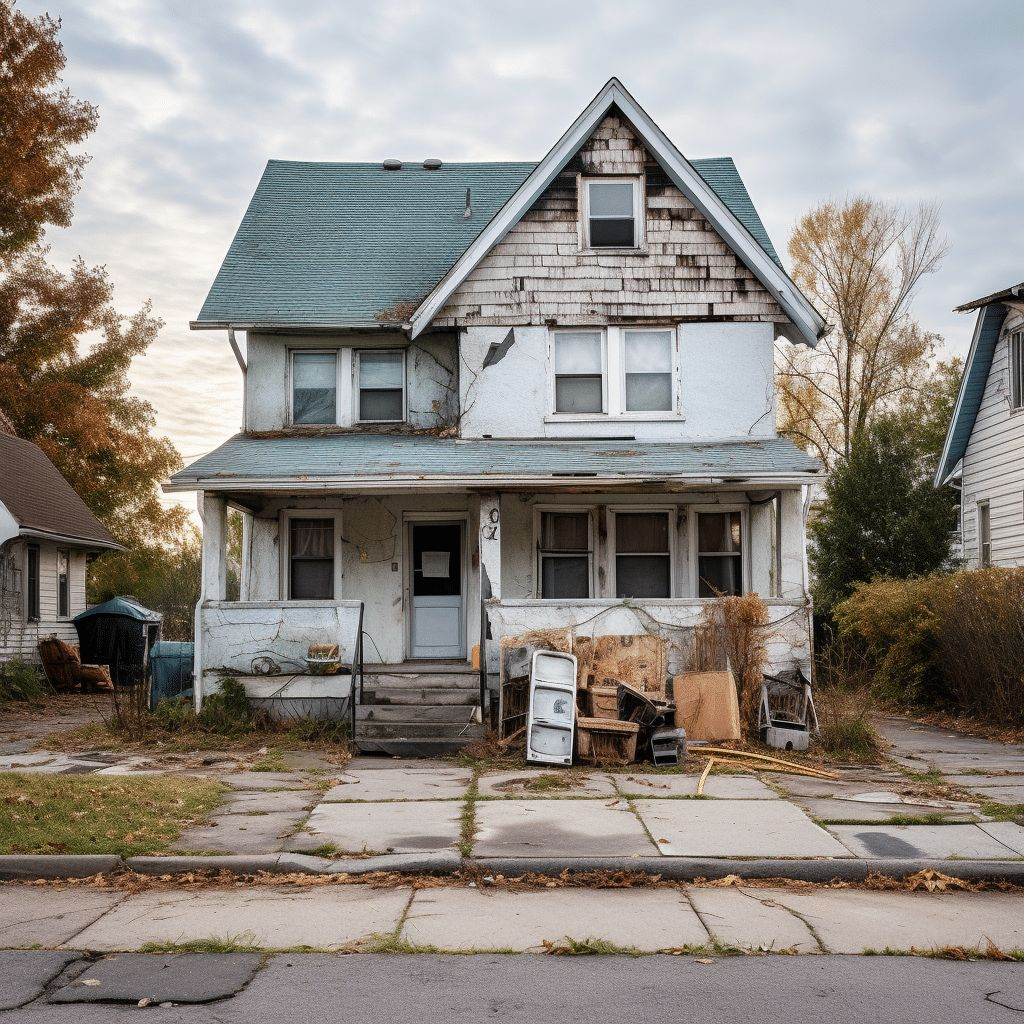
People use the word loosely. A distressed rental is a rental property with problems serious enough to hurt its value, its income, or your ability to sell it normally.
The problems can be physical, like a failing roof or a flooded basement. They can be financial, like unpaid taxes or a mortgage that is behind. They can also be human, like a tenant who will not pay or will not leave.
Often, it is a mix. A building with deferred repairs earns less rent, making it harder to pay the bills and leading to more neglect. That cycle is how a decent rental becomes distressed.
Our post on distressed houses versus outdated houses explains the difference. An outdated home is old but livable, while a distressed one has real trouble attached.
Knowing which one you have matters. It affects how buyers see the property and how much work the sale will take.
Why It Is Harder to Sell Than a Normal Rental
When you sell a distressed rental property, you are not just selling a building. You are selling a set of problems the buyer must solve.
Most buyers who use bank loans cannot buy a property that fails inspection or appraisal. Lenders want a safe, livable building, and a distressed one often is not.
Tenants add another layer. Buyers must deal with leases, deposits, and, at times, conflict. That worries many people.
The result is a smaller pool of buyers. That does not mean you cannot sell. It means you need to match the property with the right kind of buyer.
Step One: Face the Real Condition
Before you talk to any buyer, learn what you actually own. Many landlords underestimate their problems, and surprises during a sale cost money.
Walk every unit, the basement, the attic, and the exterior. Take photos and notes. Look for water stains, cracks, mold smells, old wiring, and broken systems.
If you can afford it, hire an inspector. A report gives you a clear list and helps you defend your price. It also shows buyers you are not hiding anything.
Here are the problems that most often make a rental distressed:
#1 Roof and gutter failure, leading to leaks and water damage.
#2 Foundation cracks and settling. Our post on selling a house with foundation problems shows how serious these issues can be.
#3 Mold and moisture. Read about selling a house with mold before you list.
#4 Old plumbing, wiring, and heating systems that no longer work well.
#5 Damage left behind by tenants.
#6 Code violations, open permits, or work done without permits.
#7 Years of postponed repairs. Our guide to deferred maintenance explains how that builds up.
Write the list down, even if it feels bad. You cannot price or sell a distressed rental property honestly without it.
Step Two: Know Your Numbers
Next, learn what the property is worth in its current shape and what it earns. Buyers will ask for both, and you should know the answers first.
Start with the rent roll. List each unit, the monthly rent, the lease dates, and whether the tenant pays on time. Investors read this like a report card.
Then list your expenses. Include taxes, insurance, utilities you pay, repairs, and management. Net income tells a buyer what the building really earns.
Next, look at your debts. Add up your mortgage payoff, any unpaid taxes, and any liens. Our post on selling a house with a lien explains what can sit on the title.
Finally, estimate what the property could sell for, fixed up and as-is. The gap between the two tells you whether repairs are worth it.
Step Three: Understand What Buyers Pay
Buyers price a distressed rental by starting with what the building could be worth after repairs. Then they subtract repair costs, holding costs, and a profit margin.
That is why as-is offers look low. It is not personal. It is math that includes risk.
Our post on how cash home buyers determine offers walks through that math. You can also read how a cash offer is calculated in the step-by-step version.
For a plain look at the discount, read how much cash home buyers pay. Knowing the range helps you spot offers that are too low.
You can also test the market. Our guide to good cash offers versus bad ones helps you tell the difference.
Step Four: Decide Whether to Fix Anything First
Many landlords wonder whether they should repair before they sell. The honest answer is that it depends on the repair.
Small, cheap fixes can raise your price. Clean the property, remove trash, fix broken locks, patch obvious holes, and replace dead bulbs. These steps make the building feel cared for.
Big repairs are different. A new roof or a full rewire can be expensive, and you may not get all of it back. Our post on selling a house as is explains what an as-is sale means.
Also, think about your tenants. Doing major work with people living inside is hard and slow. Many sellers skip it and sell as is instead.
If you want to compare both paths, read about the financial benefits of selling as is. It breaks down the trade-off clearly.
Step Five: Deal With Your Tenants Properly
Tenants are the part of a rental sale that owners worry about most. Here is what to know when you sell a distressed rental property with people living in it.
A valid lease generally stays in place after a sale. The new owner assumes the role of landlord and must honor the lease. Our post on what happens to a lease when a house sells explains how that works.
Illinois Legal Aid Online has a page on what happens when a building is sold. It is written for tenants, so it shows what they are reading.
If your tenants are month-to-month, the rules are different. Read about month-to-month tenants versus lease tenants.
If you want tenants to leave, follow the notice rules. Our guide to notices to tenants before selling a house covers the basics.
Some owners offer a payment to speed up a move-out. We explain it in our post on cash for keys.
Never lock tenants out or cut utilities. The Illinois Attorney General’s landlord-tenant fact sheet explains tenant protections and reminds owners to check local ordinances.
Step Six: Handle Deposits and Rent Correctly
Money owed to tenants does not disappear when you sell. This is one of the most common places where landlords slip up.
The tenant’s security deposit remains the tenant’s property. At closing, it is usually transferred to the new owner or credited to the buyer. Our post on security deposits when selling a rental property explains the process.
Rent is usually split at closing, too. If you collected rent for the month, the buyer may get a credit for their share. The title company handles the math.
Unpaid rent is a separate question. Decide whether you keep that claim or hand it to the buyer, and write it into the contract.
Keep good records. A clean ledger protects you if a tenant or buyer disputes something later.
Step Seven: Know What You Must Disclose
Honesty matters when you sell a distressed rental property. Hiding problems can lead to broken deals and legal claims.
Federal law requires disclosure of known lead-based paint and lead hazards before the sale of most housing built before 1978. The EPA explains the rules on its page about the lead-based paint disclosure rule.
That rule covers sellers, landlords, and agents. It means you must share what you know, give the buyer the required information, and keep a signed copy of the forms.
State rules may require other disclosures about known defects. Ask a real estate attorney what applies to your building, because the rules depend on the property type and the nature of the sale.
Beyond the law, think about trust. A seller who shares known problems upfront builds credibility, and serious buyers appreciate it.
Our post on selling a house with hidden problems explains why surprises hurt sellers more than honesty does.
Step Eight: Check for Paperwork Problems
Distressed rentals often come with messy paperwork. Fix what you can before a buyer finds it.
Look for open permits, unpermitted work, and violations in your village. Our posts on selling a house with unpermitted work and selling a house with an open permit explain what to expect.
If your village cited the property, read about houses with code violations in Cook County. Violations do not always block a sale, but they do change who will buy.
Also, look at your title. Liens, unpaid taxes, and old judgments can slow closing. Read how a title company works when selling a house so nothing surprises you.
Clean paperwork shortens your timeline. It also makes your property look less risky.
Your Main Ways to Sell
Once you know your condition and your numbers, choose a route. Here are the three most common ways to sell a distressed rental property.
#1 List with a real estate agent. You can reach many buyers, but loan-based buyers often need repairs, and inspections can cause renegotiation.
#2 Sell to an investor. Investors understand distressed property, but they usually negotiate hard and sometimes rely on financing.
#3 Sell to a cash home buyer. You sell as-is, avoid repairs, and close on your schedule, but the price reflects the speed and condition.
Our post on cash buyers versus realtors for outdated homes compares the first and third options. It helps you see where each wins.
If your property has code issues, you may also want to read about cash buyers versus realtors for homes with code violations.
Agent listings also carry fees. Our guide on the cost of listing a house traditionally shows how commissions and closing costs add up.
Different Kinds of Distressed Rentals
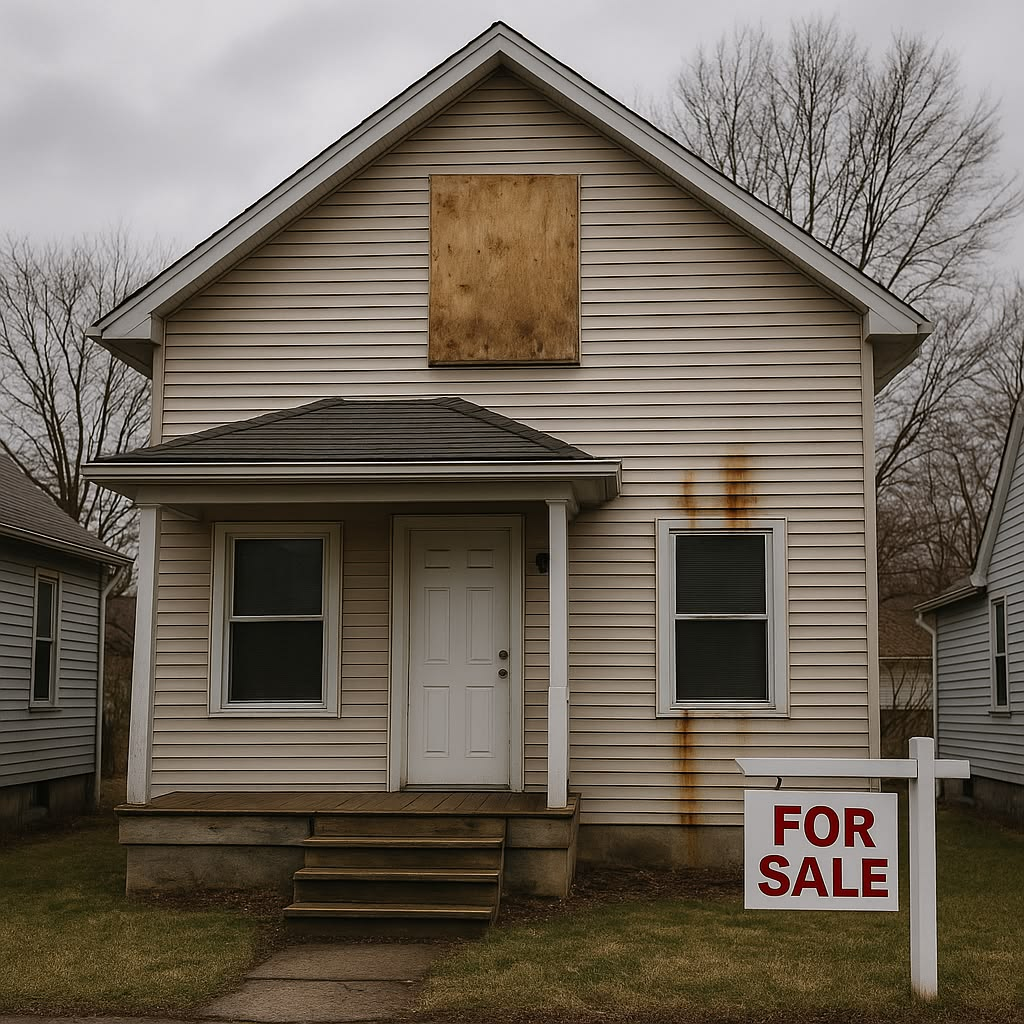
Not every distressed rental looks the same. Your situation shapes your options.
Some owners have a vacant building that sat empty and got damaged. Our guide to cash home buyers for vacant houses explains how those sales work.
Others have a property full of belongings or clutter. Read about hoarder houses in Chicago Southland if that sounds familiar.
Water and storm problems also cause damage. See our posts on a water-damaged house in Will County and a cash offer for a storm-damaged house.
Others have tenants who caused the trouble. Our post on rental properties with difficult tenants is a good place to start. You can also read about selling rental property with tenants.
For a closer look at rentals with people in them, see our page on selling a tenant-occupied rental in Chicago Southland.
Taxes You Should Plan For
A distressed rental does not erase taxes. When you sell a distressed rental property, you may still owe tax on the gain.
Depreciation can make that tax bigger. The IRS explains rental income and depreciation in Publication 527, Residential Rental Property. It is worth skimming if you have rented the property for years.
Our post on capital gains tax on rental property explains this in plain language. We also cover the basics of taxes on selling a house for cash.
If you sell at a loss, the rules for deducting it can be tricky. A CPA who works with rentals can tell you how your numbers fit.
Closing costs matter too. Read our guide to closing costs when selling a house so you know what to expect.
We are not tax advisors. Talk to a CPA before you sign.
How Sales of Distressed Rentals Fall Apart
Knowing why deals fail helps you avoid it. Here are the most common causes.
#1 The buyer’s loan does not get approved because the property fails inspection.
#2 The buyer finds big problems you did not disclose and walks away or demands a lower price.
#3 The title has a surprise, like a lien or an open permit.
#4 A tenant refuses access or becomes a problem during the sale.
#5 The buyer is not actually able to pay.
#6 The contract is vague about who handles tenants, rent, and deposits.
Most of these are preventable. Honest disclosure, clean paperwork, and a solid contract go a long way.
Earnest money matters too. Our post on what earnest money is explains how it protects both sides. You can also read whether you can back out after accepting a cash offer.
How to Pick a Buyer You Can Trust
Owners with distressed rentals attract the wrong kind of buyer. Some make big promises and then lower the price at the last minute.
Check any buyer before you sign. Our guide to verifying a local home buyer shows you what to look for.
Ask for proof of funds, a clear contract, and a title company you can research. A real buyer will not rush you.
Be careful with wholesalers who do not plan to close themselves. Our post on cash buyers versus wholesalers explains the difference.
If you get pressured, slow down. Read our post on how to spot the warning signs of being pressured to sell a house fast.
A Simple Checklist Before You List
Use this list to get ready. Work through it in order.
#1 Walk the property and list every problem you can find.
#2 Gather leases, rent records, and deposit amounts.
#3 Total your mortgage, taxes owed, and any liens.
#4 Check for open permits and village violations.
#5 Get a rough value, both as is and after repairs.
#6 Decide whether any small fixes are worth doing.
#7 Talk to a CPA about taxes on your sale.
#8 Decide how you will handle tenants, deposits, and rent.
#9 Compare at least two ways to sell.
#10 Verify any buyer and read every line of the contract.
Following this list makes it much easier to sell a distressed rental property without panic.
Frequently Asked Questions
What counts as a distressed rental property?
A distressed rental is a rental with serious problems that hurt its value, income, or saleability. The problems can be physical, such as a bad roof or foundation, or financial, such as unpaid taxes or a mortgage that is behind.
Tenant problems count too. Non-paying tenants, damaged units, or an eviction in progress can all make a rental distressed.
Most distressed rentals have a combination. When you plan to sell a distressed rental property, list every problem so you can see the whole picture.
Can I sell a rental property as is?
Yes. Many landlords sell rentals as is, meaning the buyer accepts the property in its current condition and you do not make repairs.
The trade-off is price. An as-is property usually sells for less than a repaired one because the buyer accounts for the work they will need to do.
Selling as is still requires honesty. You must disclose any known problems, and the contract should clearly state what is included.
Who buys distressed rental properties?
Several kinds of buyers do. Investors buy them to repair, rent, or resell. Cash home buyers purchase them as is and close fast. Some owner-occupant buyers also take on a project, though they often need loan approval.
Traditional buyers using bank loans struggle with distressed property because lenders usually require the building to be safe and livable.
Because the buyer pool is smaller, it pays to talk to more than one. Always check any buyer before you sign.
Should I fix up my distressed rental before I sell it?
It depends on the repair and your budget. Small, low-cost fixes can improve your price and make the building look cared for. Big repairs may cost more than they return.
If tenants live in the property, major work is harder to do. It can also take months and delay your sale.
Many owners compare two paths: repair and list, or sell as is. Our post on selling a house as-is versus making repairs helps you weigh the options.
Do I have to disclose problems with my rental to a buyer?
You must disclose certain things by law, and you should share known problems even when the law does not require it. Federal law requires lead-based paint disclosure for most housing built before 1978.
State rules may require other disclosures about known defects. A real estate attorney can tell you what applies to your property and the type of sale you’re doing.
Beyond the legal minimum, honesty protects you. Hidden problems found after closing can lead to disputes, claims, and lost money.
What happens to my tenants when I sell?
A valid lease generally continues after a sale, and the new owner becomes the landlord. The tenant keeps their rights until the lease ends or is lawfully terminated.
If a tenant is on a month-to-month tenancy, the rules for ending the tenancy are different. Written notice is usually required, and local ordinances may add more rules.
If you are not sure, check with an attorney or the Illinois Attorney General’s tenant resources. Do not guess when notices are involved.
Will a distressed rental sell for much less than market value?

Usually, yes, but how much less depends on the problems, the area, and the buyer. A property with cosmetic issues in a strong area may lose little. A building with major structural problems can lose a lot.
Buyers price in repair costs, holding costs, and risk. Their offer may seem low compared to a fully repaired home, but it reflects what it will take to fix the property.
Get more than one offer and ask each buyer to explain their number. Our post on what counts as a lowball offer can help you judge.
How long does it take to sell a distressed rental?
A traditional listing can take months, especially if buyers need loans and inspections turn up problems. Repair requests and renegotiations can stretch it further.
A cash sale can be much faster, sometimes within a few weeks, since there is no lender to wait on. The title work still has to be done, so clean paperwork helps.
Your own timeline depends on tenants, liens, and permits. Our post on how long it takes to sell a house for cash explains the usual range.
Can I sell a rental that has code violations?
Yes, you can. Violations don’t automatically stop a sale, but they can change who will buy and how much they will pay. Some buyers will take on the violation, while others will not.
You may need to resolve certain violations before closing, depending on your village. A title search and your attorney can tell you what applies.
Our post on houses with code violations in Cook County explains how buyers treat them. It helps you decide whether to fix them first or sell them as is.
What taxes will I owe when I sell my rental?
You may owe tax on your gain, which is your sale price minus your adjusted cost. Depreciation you claimed over the years can add to that bill.
If you sell for less than your adjusted cost, you may have a loss. The rules for deducting rental losses can be detailed, so an accountant is worth the fee.
The IRS explains rental rules in Publication 527, and our post on capital gains tax on rental property gives a plain overview. Talk to a CPA before you finalize the sale.
Is a cash buyer a good option for a distressed rental?
Often, yes. Cash buyers purchase as-is, don’t depend on a lender, and can close quickly. That fits a distressed rental, where repairs and loan approval cause delays.
The trade-off is price. A cash offer is usually below what a fully repaired property could bring, because the buyer takes on the work and the risk.
The key is picking an honest buyer. Ask for proof of funds, a clear contract, and a title company you can verify, and never sign until you understand every line.
What if I owe more than the property is worth?
That is called being underwater, and it limits your choices. You may need to bring money to closing, negotiate with your lender, or look at a short sale.
Our post on how to sell an underwater house explains the options. You can also read about what a short sale is.
Talk to your lender and a real estate attorney early. The sooner you act, the more options you keep.
What if I am behind on the mortgage?
Time becomes your most important factor. Missed payments can lead to foreclosure, which limits your options.
You may still be able to sell and keep some equity. Read our page on selling a house in foreclosure in Chicago Southland and our post on selling a house behind on mortgage payments.
Acting early gives you more options than waiting. Even a quick conversation with a buyer or attorney can show you what is possible.
The Bottom Line
A distressed rental is stressful, but it is not hopeless. Buyers exist for almost every condition, and a clear plan helps you keep more of your equity.
Know your property, know your numbers, treat tenants fairly, and tell the truth about problems. Those four habits prevent most of the mistakes that kill deals.
When you decide to sell a distressed rental property, take your time with the buyer and the contract. A calm, organized sale beats a rushed one every time.
If you want to see what a cash sale could look like, our local team buys rentals as-is across towns like Harvey, Markham, Matteson, and Homewood.